In the realm of precision manufacturing, the vertical machining center stands as a cornerstone of modern production processes. As a seasoned supplier of vertical machining centers, I often encounter inquiries about the feed force of these remarkable machines. In this blog post, I aim to delve into the concept of feed force, its significance, and how it impacts the performance of vertical machining centers. Vertical Machining Center
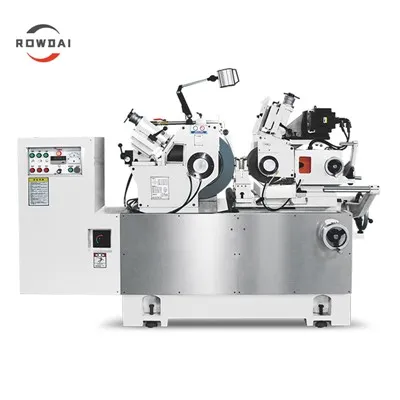
Understanding Feed Force
Feed force, in the context of a vertical machining center, refers to the force applied in the feed direction during the machining process. It is the force that drives the cutting tool or the workpiece along a specific path to remove material and create the desired shape. This force is crucial for achieving accurate and efficient machining operations.
The feed force is influenced by several factors, including the cutting parameters, the material being machined, the geometry of the cutting tool, and the machine’s mechanical structure. Let’s take a closer look at each of these factors:
Cutting Parameters
The cutting parameters, such as cutting speed, feed rate, and depth of cut, have a significant impact on the feed force. A higher feed rate generally results in a greater feed force, as more material is being removed per unit time. Similarly, increasing the depth of cut also increases the feed force, as the cutting tool has to remove more material in a single pass. On the other hand, cutting speed can have a complex relationship with feed force. In some cases, increasing the cutting speed can reduce the feed force due to the improved chip formation and reduced cutting forces. However, in other cases, a very high cutting speed may lead to increased tool wear and higher feed forces.
Material Being Machined
The properties of the material being machined, such as hardness, toughness, and ductility, also play a crucial role in determining the feed force. Harder materials require more force to cut through, resulting in higher feed forces. For example, machining stainless steel or titanium alloys typically requires higher feed forces compared to machining aluminum or brass. Additionally, materials with high toughness or ductility may cause the chips to adhere to the cutting tool, increasing the friction and thus the feed force.
Geometry of the Cutting Tool
The geometry of the cutting tool, including the rake angle, clearance angle, and cutting edge radius, can significantly affect the feed force. A proper rake angle can reduce the cutting forces and the feed force by facilitating chip formation and reducing friction. A larger clearance angle can prevent the tool from rubbing against the workpiece, further reducing the feed force. The cutting edge radius also plays a role, as a sharper cutting edge generally requires less force to cut through the material.
Machine’s Mechanical Structure
The mechanical structure of the vertical machining center, including the rigidity of the machine frame, the quality of the linear guides and ball screws, and the power of the feed drive system, can influence the feed force. A more rigid machine structure can better withstand the cutting forces and reduce the deflection of the machine components, resulting in more accurate machining and lower feed forces. High-quality linear guides and ball screws ensure smooth and precise movement of the cutting tool or the workpiece, reducing the friction and the feed force. A powerful feed drive system can provide the necessary torque to overcome the cutting forces and maintain a stable feed rate.
Significance of Feed Force
The feed force is a critical parameter in the operation of a vertical machining center, as it directly affects the machining quality, tool life, and productivity. Here are some of the key reasons why understanding and controlling the feed force is important:
Machining Quality
The feed force can have a significant impact on the surface finish and dimensional accuracy of the machined part. Excessive feed force can cause the cutting tool to deflect, resulting in poor surface finish and dimensional errors. On the other hand, insufficient feed force may lead to incomplete cutting and rough surface finish. By optimizing the feed force, manufacturers can achieve better machining quality and ensure that the machined parts meet the required specifications.
Tool Life
The feed force also affects the tool life of the cutting tool. High feed forces can cause excessive wear and tear on the cutting tool, leading to premature tool failure. By reducing the feed force, manufacturers can extend the tool life and reduce the tooling costs. Additionally, a lower feed force can also reduce the heat generated during the machining process, which can further improve the tool life.
Productivity
The feed force can have a direct impact on the productivity of the vertical machining center. A higher feed force allows for a faster feed rate, which can reduce the machining time and increase the productivity. However, it is important to find the right balance between the feed force and the other cutting parameters to ensure that the machining quality and tool life are not compromised.
Measuring and Controlling Feed Force
To ensure optimal performance of the vertical machining center, it is important to measure and control the feed force. There are several methods available for measuring the feed force, including the use of force sensors and dynamometers. These devices can provide real-time feedback on the feed force, allowing operators to adjust the cutting parameters as needed.
In addition to measuring the feed force, it is also important to control it by optimizing the cutting parameters. This can be done through a process called cutting parameter optimization, which involves finding the optimal combination of cutting speed, feed rate, and depth of cut to achieve the desired machining quality, tool life, and productivity. Cutting parameter optimization can be performed using mathematical models, experimental testing, or a combination of both.
Conclusion
In conclusion, the feed force of a vertical machining center is a critical parameter that affects the machining quality, tool life, and productivity. By understanding the factors that influence the feed force and how to measure and control it, manufacturers can optimize the performance of their vertical machining centers and achieve better results.
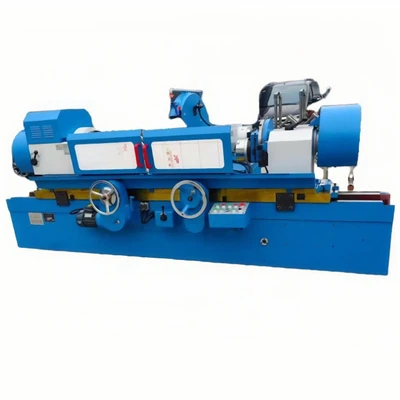
As a supplier of vertical machining centers, I am committed to providing our customers with the highest quality machines and support. Our vertical machining centers are designed with advanced technology and components to ensure optimal performance and reliability. We also offer comprehensive training and technical support to help our customers get the most out of their machines.
Gantry Machining Center If you are interested in learning more about our vertical machining centers or if you have any questions about feed force or other machining parameters, please feel free to contact us. Our team of experts is always ready to assist you and provide you with the information and solutions you need.
References
- Kalpakjian, S., & Schmid, S. R. (2009). Manufacturing Engineering and Technology. Pearson Prentice Hall.
- Trent, E. M., & Wright, P. K. (2000). Metal Cutting. Butterworth-Heinemann.
- Wikipedia. (2023). Feed Force. Retrieved from https://en.wikipedia.org/wiki/Feed_force
Henan Rowdai Machinery Equipment Co., Ltd.
As one of the most professional vertical machining center manufacturers in China, we’re featured by quality products and good price. Please rest assured to buy high-grade vertical machining center for sale here from our factory. If you have any enquiry about cooperation, please feel free to email us.
Address: Building 9, E-Commerce Industrial Park, High-Tech Zone, Zhengzhou, Henan, China
E-mail: rowdai@rowdai.com
WebSite: https://www.rowdai.com/
