Hey there! I’m a supplier of vibration viscometers, and I get it – nothing’s more frustrating than when your viscometer starts dishing out inaccurate readings. But don’t fret! In this blog, I’ll walk you through some steps to troubleshoot this pesky issue. Vibration Viscometer
1. Power and Connection Checks
First things first, you gotta make sure that the power supply to your vibration viscometer is stable. A flaky power source can cause all sorts of problems, including inaccurate readings. Check if the power cord is properly plugged in and there are no signs of damage like fraying or exposed wires. It might sound basic, but you’d be surprised how often a loose connection is the culprit.
Also, take a look at all the other connections. If your viscometer is connected to a computer or other devices for data transfer or control purposes, ensure those connections are tight. Loose cables can interfere with the data flow and lead to inaccurate results. I’ve seen cases where a simple re – plugging of the USB cable fixed the whole problem.
2. Sensor Inspection
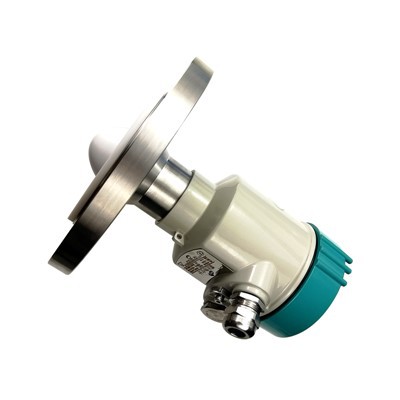
The sensor in a vibration viscometer is the heart and soul of the device. It’s what measures the viscosity of the fluid. Over time, the sensor can get dirty or damaged.
Cleaning the Sensor:
Start by checking if there’s any debris or residue on the sensor. Sometimes, particles from the fluid being tested can stick to the sensor, affecting its performance. You can usually clean the sensor with a suitable solvent recommended by the manufacturer. Just be careful not to damage the sensor while cleaning. Gently wipe it down with a soft cloth after applying the solvent.
Damage Assessment:
Look closely for any visible signs of damage. Cracks, chips, or bent parts on the sensor can throw off the readings. If you spot any damage, it’s best to replace the sensor as soon as possible. You can order a replacement from us, and we’ll get it to you in no time.
3. Fluid Compatibility
Not all fluids are created equal, and your viscometer might not be compatible with every type of fluid you throw at it.
Viscosity Range:
Check if the viscosity of the fluid you’re testing is within the specified range of your viscometer. If the fluid is too thick or too thin, the viscometer might not be able to measure it accurately. For example, if your viscometer is designed for low – viscosity fluids and you’re trying to measure a high – viscosity grease, you’re likely to get inaccurate results.
Chemical Compatibility:
Some fluids can react with the materials of the viscometer, especially the sensor. Corrosive or abrasive fluids can damage the sensor over time and cause inaccurate readings. Make sure to consult the manufacturer’s guidelines to see if the fluid you’re using is compatible with your viscometer. If not, you might need to find an alternative way to measure the viscosity or use a different viscometer that’s suitable for that type of fluid.
4. Temperature Considerations
Temperature plays a huge role in viscosity measurement. Viscosity is highly dependent on temperature, and even a small change in temperature can lead to significant differences in the measured viscosity.
Calibration Temperature:
Your viscometer is calibrated at a specific temperature. If the temperature of the fluid you’re testing is different from the calibration temperature, you’ll get inaccurate readings. Make sure to measure the temperature of the fluid accurately and, if possible, adjust the temperature of the fluid to match the calibration temperature of the viscometer.
Thermal Stability:
Ensure that the temperature of the fluid remains stable during the measurement process. Fluctuations in temperature can cause the viscosity to change rapidly, making it difficult for the viscometer to get an accurate reading. You might need to use a temperature – controlled chamber or bath to keep the fluid at a constant temperature.
5. Calibration Checks
Calibration is crucial for getting accurate readings from your vibration viscometer. Over time, the viscometer can drift from its original calibration settings.
Regular Calibration:
It’s recommended to calibrate your viscometer regularly, according to the manufacturer’s schedule. You can use calibration fluids with known viscosities to check if the viscometer is reading accurately. If the readings are off, you’ll need to recalibrate the viscometer.
Calibration Errors:
Sometimes, the calibration process itself can go wrong. Make sure you’re following the calibration procedure correctly. If you’re not confident in calibrating the viscometer yourself, we offer calibration services. Our team of experts can calibrate your viscometer to ensure it’s giving accurate readings.
6. Software and Firmware Updates
If your viscometer is connected to a computer or has built – in software, you need to make sure the software and firmware are up – to – date.
Bug Fixes:
Software updates often include bug fixes that can improve the accuracy of the viscometer. Developers are constantly working to improve the performance of the software, and installing the latest updates can help resolve any issues that might be causing inaccurate readings.
New Features:
Firmware updates can also add new features or improve the functionality of the hardware. Sometimes, these updates can enhance the accuracy of the viscosity measurements. Check the manufacturer’s website regularly for software and firmware updates and follow the instructions to install them.
7. Environmental Factors
The environment in which the viscometer is used can also affect its accuracy.
Vibrations and Noise:
Excessive vibrations or noise can interfere with the operation of the viscometer. Make sure the viscometer is placed on a stable surface away from sources of vibration, such as motors or heavy machinery. If possible, use vibration – isolating pads to further reduce the impact of external vibrations.

Humidity and Dust:
High humidity or a dusty environment can cause damage to the viscometer’s components. Humidity can cause corrosion, while dust can clog the sensor. Try to keep the viscometer in a clean, dry environment. If you’re using the viscometer in a harsh environment, you might need to take additional measures to protect it, such as using a protective cover.
In-line Viscometer By following these troubleshooting steps, you should be able to identify and fix the issue if your vibration viscometer is giving inaccurate readings. If you’ve tried all these steps and still can’t get the accurate results you need, don’t hesitate to reach out to us. We’re a vibration viscometer supplier, and we’ve got a team of experts who can help you diagnose and solve the problem. We also offer a wide range of high – quality vibration viscometers and accessories. If you’re in the market for a new viscometer or need to replace some parts, we’d love to have a chat with you about your needs.
References
- ASTM Standards on Viscosity Measurement
- Manufacturer’s Manuals for Vibration Viscometers
- Technical Papers on Fluid Viscosity and Measurement Techniques
Shandong Aipuxin Automation Instrument Co., Ltd.
Shandong Aipuxin Automation Instrument Co., Ltd. is one of the most professional vibration viscometer manufacturers and suppliers in China, specialized in providing high quality customized service. We warmly welcome you to wholesale cheap vibration viscometer in stock here from our factory. For price consultation, contact us.
Address: Huigu Phase 1, Zhongnan High-tech Canal New City, Rencheng District, Jining City, Shandong Province
E-mail: aipuxin0124@gmail.com
WebSite: https://www.aipxin.com/
