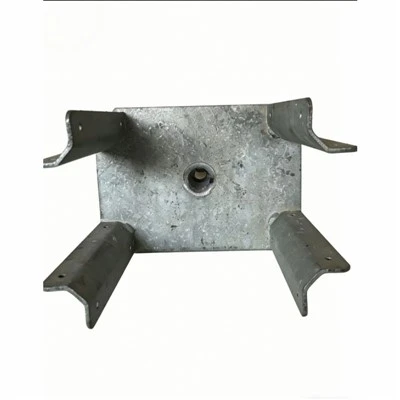
When it comes to fasteners in industrial and mechanical applications, combination plate nuts are a popular choice for many professionals. As a supplier of combination plate nuts, I often encounter the question: Are combination plate nuts easy to install in tight spaces? In this blog post, we’ll delve into this topic, exploring the features of combination plate nuts, the challenges of tight – space installations, and how these nuts stack up in such scenarios. Combination Plate Nut
Understanding Combination Plate Nuts
Combination plate nuts are unique fasteners that combine the functions of a nut and a washer. They typically consist of a nut body integrated with a flat or serrated plate. The plate serves multiple purposes. Firstly, it distributes the load over a larger area, reducing the risk of the nut digging into the surface of the material it’s being fastened to. Secondly, in some cases, the serrated design can prevent the nut from loosening due to vibration, providing a more secure connection.
These nuts are available in a variety of materials, such as stainless steel, carbon steel, and brass. The choice of material depends on the specific application requirements, including factors like corrosion resistance, strength, and cost. For example, stainless steel combination plate nuts are ideal for applications in harsh environments where corrosion is a concern, while carbon steel nuts are often used in general – purpose applications due to their high strength and relatively low cost.
The Challenges of Tight – Space Installations
Tight spaces present several challenges when it comes to fastener installation. One of the most obvious issues is limited access. In many industrial settings, equipment is packed tightly together, leaving little room for tools and hands to maneuver. This can make it difficult to position the fastener correctly and apply the necessary torque.
Another challenge is visibility. In tight spaces, it can be hard to see what you’re doing, especially if the area is dimly lit. This lack of visibility increases the risk of incorrect installation, such as cross – threading the nut or not tightening it enough.
Additionally, the type of tools that can be used in tight spaces is often restricted. Traditional wrenches and sockets may not fit, requiring the use of specialized or compact tools. These tools may be less efficient or more difficult to handle, further complicating the installation process.
How Combination Plate Nuts Fare in Tight Spaces
Design Advantages
One of the key advantages of combination plate nuts in tight – space installations is their integrated design. Since the nut and washer are combined into one unit, there’s no need to separately position and install a washer. This reduces the number of steps in the installation process and saves time, which is especially valuable in confined spaces where every movement counts.
The shape of combination plate nuts can also be beneficial. Some models have a low – profile design, which means they take up less vertical space. This can be crucial when working in spaces with limited height clearance. For example, in electronic enclosures or aerospace applications where components are stacked closely together, a low – profile combination plate nut can be installed without interfering with neighboring parts.
Ease of Alignment
Combination plate nuts are generally easier to align compared to separate nuts and washers. The integrated plate provides a larger surface area, which can act as a guide during installation. This helps ensure that the nut is properly aligned with the bolt or screw, reducing the likelihood of cross – threading, even in situations where visibility is poor.
Tool Compatibility
When it comes to tool compatibility, combination plate nuts offer some flexibility. While traditional wrenches may not always be suitable for tight – space installations, many combination plate nuts can be installed using socket wrenches or impact drivers. These tools can be designed to be more compact and maneuverable, allowing for easier access to the fastener. Some combination plate nuts also have a hex – shaped nut body, which is a common and widely supported shape for various types of tools.
Real – World Examples
In the automotive industry, combination plate nuts are often used in engine compartments. These areas are notoriously crowded, with various components packed tightly together. Mechanics frequently encounter the need to install or replace fasteners in tight spaces. Combination plate nuts make these tasks more manageable. For example, when attaching a bracket to the engine block, the integrated design of the combination plate nut allows for quick and easy installation, even with limited access.
In the construction of small – scale machinery, such as 3D printers or CNC routers, combination plate nuts are favored for their ease of use in tight spaces. These machines are built to be compact, and the components are often arranged in a way that leaves little room for fastener installation. The low – profile and easy – to – align features of combination plate nuts make them a practical choice for securing parts in these applications.
Tips for Installing Combination Plate Nuts in Tight Spaces
- Choose the Right Tools: Select compact and specialized tools that are suitable for the space available. For example, if there’s limited clearance, a thin – walled socket or a ratcheting wrench may be more appropriate.
- Pre – Positioning: Try to pre – position the combination plate nut as much as possible before inserting the bolt or screw. This can help with alignment and make the final tightening process smoother.
- Use Lighting Aids: If visibility is an issue, consider using a flashlight or a headlamp to illuminate the work area. This will make it easier to see what you’re doing and ensure proper installation.
- Slow and Steady: Take your time during the installation process. Rushing can lead to mistakes, especially in tight spaces. Make sure to apply the correct amount of torque to ensure a secure connection.
Conclusion
In conclusion, combination plate nuts offer several advantages when it comes to installation in tight spaces. Their integrated design, ease of alignment, and tool compatibility make them a practical choice for many applications where space is limited. Whether you’re working in the automotive, electronics, or machinery industries, combination plate nuts can simplify the fastening process and improve efficiency.
If you’re in need of high – quality combination plate nuts for your projects, I’m here to assist you. As a reliable supplier, I offer a wide range of combination plate nuts in different materials and sizes to meet your specific requirements. Whether you’re looking for a corrosion – resistant option or a high – strength nut for heavy – duty applications, I can provide the right solution.
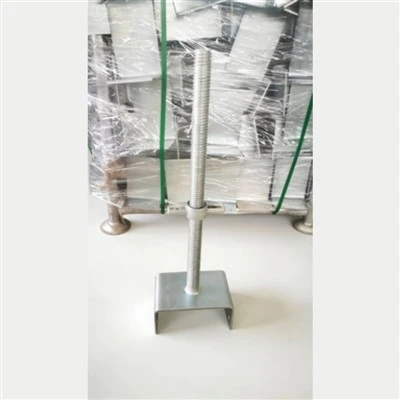
Scaffoldings Reach out to me to discuss your procurement needs. We can have a detailed conversation about your project, and I’ll help you select the most suitable combination plate nuts. I’m committed to providing excellent customer service and ensuring that you get the best products for your money. Don’t hesitate to start a dialogue with me about your combination plate nut needs.
References
- Callister, W. D., & Rethwisch, D. G. (2014). Materials Science and Engineering: An Introduction. Wiley.
- Machinery’s Handbook: A reference book for mechanical engineers, designers, manufacturing engineers, draftsmen, toolmakers, and machinists. (30th ed.). Industrial Press Inc.
Rizhao Wellfit Scafform Co., Ltd.
Address: No. 7, Huasheng Road, Taoluo Town Industrial Zoon, Donggang District, Rizhao City
E-mail: sales@wfscafform.com
WebSite: https://www.wfscafform.com/
