In the realm of Python programming, the concept of generators has long been recognized as a powerful tool for memory – efficient iteration and data processing. As a generator supplier, I’ve received numerous inquiries about whether generators can be effectively used to handle network data streams in Python. In this blog, I’ll delve into the technical aspects of this question, exploring the advantages, challenges, and practical applications of using generators in network data stream handling. Generator

Understanding Generators in Python
Before we discuss their application in network data streams, let’s quickly review what generators are in Python. A generator is a type of iterable, like lists or tuples. But unlike lists, they don’t store all their values in memory at once. Instead, they generate values on – the – fly as you iterate over them.
Here is a simple example of a generator function:
def my_generator():
    num = 0
    while num < 5:
        yield num
        num = num + 1

gen = my_generator()
for i in gen:
    print(i)
In this code, the yield keyword turns the function into a generator. When the loop iterates over the generator gen, the function executes until it hits the yield statement, returns the value, and pauses. The next time the loop asks for a value, the function resumes from where it left off.
Advantages of Using Generators for Network Data Streams
Memory Efficiency
Network data streams can be extremely large, sometimes even unbounded. Loading an entire data stream into memory at once can lead to memory exhaustion. Generators, on the other hand, generate data on – the – fly. When handling a network data stream, a generator can read and process data in chunks, reducing the memory footprint significantly.
For example, when downloading a large file over the network, instead of storing the entire file in memory, you can use a generator to read and save it in small parts:
import requests

def download_file(url):
    response = requests.get(url, stream=True)
    for chunk in response.iter_content(chunk_size = 1024):
        if chunk:
            yield chunk

# Usage
url = 'https://example.com/largefile.zip'
for chunk in download_file(url):
    # Here you can process or save the chunk
    pass
Lazy Evaluation
Lazy evaluation is a key feature of generators. In the context of network data streams, it means that data is only fetched and processed when it is actually needed. This can be beneficial in scenarios where network resources are limited or when you want to start processing the data as soon as it arrives without waiting for the entire stream to be received.
For instance, in a real – time data streaming application, such as a stock price feed, you can start analyzing the data as soon as each new price point is received, rather than waiting for a large batch of data to accumulate.
Challenges of Using Generators for Network Data Streams
Error Handling
Network data streams are prone to errors such as connection timeouts, disconnections, and packet loss. When using generators to handle these streams, proper error handling becomes crucial. If an error occurs during the generation process, the generator may stop yielding values and may need to be restarted or re – initialized.
import requests

def download_file(url):
    try:
        response = requests.get(url, stream=True)
        response.raise_for_status()
        for chunk in response.iter_content(chunk_size = 1024):
            if chunk:
                yield chunk
    except requests.exceptions.RequestException as e:
        print(f"An error occurred: {e}")
Concurrency and Synchronization
In a multi – threaded or asynchronous Python application, using generators to handle network data streams can introduce challenges related to concurrency and synchronization. Multiple generators may be accessing the network simultaneously, and proper synchronization mechanisms need to be in place to avoid race conditions and ensure data integrity.
Practical Applications
Web Scraping
Web scraping involves extracting data from websites. Many websites serve data in large chunks or as streams. Generators can be used to handle these data streams efficiently. For example, when scraping a news website that loads articles in a paginated manner, a generator can be used to fetch and process each page as it becomes available.
import requests
from bs4 import BeautifulSoup

def scrape_pages(url_template, num_pages):
    for page_num in range(1, num_pages+1):
        url = url_template.format(page_num)
        try:
            response = requests.get(url)
            response.raise_for_status()
            soup = BeautifulSoup(response.text, 'html.parser')
            # Here you can extract relevant data from the page
            yield soup
        except requests.exceptions.RequestException as e:
            print(f"Error scraping page {page_num}: {e}")

# Usage
url_template = 'https://example.com/news?page={}'
for page_soup in scrape_pages(url_template, 10):
    # Process the page data
    pass
Real – Time Analytics
In real – time analytics applications, such as monitoring network traffic or analyzing sensor data, generators can be used to handle continuous data streams. For example, a network monitoring tool can use a generator to read and analyze network packets as they arrive, providing real – time insights into the network’s health and activity.
Conclusion
In conclusion, generators can indeed be used to handle network data streams in Python, offering significant advantages in terms of memory efficiency and lazy evaluation. However, they also come with challenges such as error handling and concurrency management that need to be addressed.
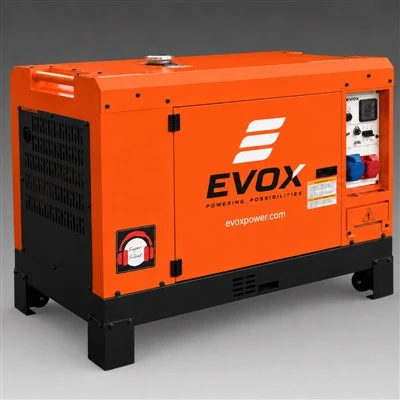
As a generator supplier, we understand the importance of providing high – quality solutions for various Python programming needs. Our generators are designed to be robust, efficient, and easy to integrate into your network data stream handling applications. Whether you are working on web scraping, real – time analytics, or any other project that involves network data streams, our generators can help you achieve better performance and resource utilization.
Generator If you are interested in learning more about our generator products or would like to discuss a potential procurement, we invite you to reach out. Our team of experts is ready to assist you in finding the best solution for your specific requirements.
References
- Lutz, M. (2019). Learning Python. O’Reilly Media.
- Van Rossum, G., & Drake, F. L. (2009). Python 3 Reference Manual. CreateSpace.
- Matthes, E. (2015). Python Crash Course. No Starch Press.
Evoxpower Technology
Evoxpower Technology is one of the most professional generator manufacturers and suppliers in China, featured by quality products and good service. Please rest assured to buy the newest generator in stock here and get pricelist from our factory. Contact us for customized service and OEM service.
Address: 11 Fortune Avenue, Yubei District, Chongqing, China
E-mail: stephen@allrightpower.com
WebSite: https://www.evoxpower.com/
