What is the risk of tractor roll – overs and how to prevent them?
As a dedicated supplier of tractors, I’ve witnessed firsthand the crucial role these powerful machines play in various industries, from agriculture to construction. However, tractor roll – overs are a serious concern that demand our attention. In this blog, I’ll delve into the risks associated with tractor roll – overs and share effective prevention strategies. Tractors

The Risks of Tractor Roll – Overs
Tractor roll – overs pose significant threats to operators, property, and productivity. One of the most immediate and devastating risks is the potential for severe injury or even death to the tractor operator. When a tractor rolls over, the operator can be crushed by the heavy machinery, leading to life – altering injuries such as broken bones, spinal cord injuries, and head trauma. These injuries not only cause immense pain and suffering to the operator but also have long – term implications for their families and livelihoods.
In addition to the human toll, tractor roll – overs can also result in substantial property damage. The tractor itself may suffer extensive damage, including bent frames, damaged engines, and shattered windows. This damage can be costly to repair, and in some cases, the tractor may be rendered a total loss. The surrounding environment can also be affected, with crops, fences, and other equipment potentially being damaged during the roll – over event.
From a productivity perspective, a tractor roll – over can disrupt work schedules and operations. When a tractor is out of commission due to damage, it can cause delays in completing tasks, leading to lost time and revenue. For farmers, this can mean missing crucial planting or harvesting windows, which can have a significant impact on their yields and bottom line.
Several factors can contribute to tractor roll – overs. One of the primary causes is operating on uneven or sloped terrain. Tractors are heavy machines, and when they are on slopes, the center of gravity shifts, increasing the risk of tipping. For example, in hilly or mountainous agricultural areas, farmers may be tempted to work on steep slopes to maximize their use of land. However, even a small miscalculation in the slope angle or the tractor’s load distribution can lead to a roll – over.
Overloading the tractor is another common cause. Each tractor has a specific load – carrying capacity, and exceeding this limit can make the tractor unstable. When a tractor is overloaded, it becomes more difficult to control, especially during turns or when going over bumps. Moreover, improper attachment of implements can also lead to roll – overs. If an implement is not properly balanced or hitched to the tractor, it can disrupt the tractor’s balance and increase the likelihood of tipping.
Preventing Tractor Roll – Overs
Thankfully, there are several effective strategies that can be employed to prevent tractor roll – overs. First and foremost, proper training is essential. All tractor operators should receive comprehensive training on tractor operation, including how to handle different types of terrain, how to properly load the tractor, and how to attach implements correctly. Training programs should cover both theoretical knowledge, such as understanding the tractor’s specifications and safety features, and practical skills, such as operating the tractor in various conditions.
For example, in our company, we offer training courses for new tractor buyers. These courses are conducted by experienced instructors who have in – depth knowledge of tractor operation and safety. During the training, operators learn about the importance of maintaining a proper speed, especially when on slopes or uneven terrain. They also learn how to use the tractor’s brakes, steering, and other controls effectively to prevent roll – overs.
Another crucial prevention measure is the use of safety equipment. Roll – over protective structures (ROPS) are a must – have for all tractors. ROPS are designed to protect the operator in the event of a roll – over by providing a protective frame around the operator’s compartment. They are usually made of strong steel and are engineered to withstand the forces generated during a roll – over. When installed correctly, ROPS can significantly reduce the risk of injury to the operator.
Seat belts are also an essential safety feature. Even if a tractor is equipped with ROPS,operators must wear seat belts at all times. Seat belts keep the operator securely in the seat, preventing them from being ejected from the tractor during a roll – over. Our tractors come with high – quality ROPS and seat belts as standard features to ensure the safety of the operators.
In addition to training and safety equipment, regular maintenance of the tractor is vital. A well – maintained tractor is less likely to experience mechanical failures that could contribute to a roll – over. Operators should regularly check the tractor’s tires, brakes, steering, and other components to ensure they are in good working condition. Tires, for example, should have proper tread depth and be inflated to the correct pressure. Worn – out tires can reduce traction, especially on slippery or uneven surfaces, increasing the risk of a roll – over.
We also recommend that operators conduct pre – operation checks before each use. This includes checking the fuel level, oil level, and the condition of the implements. By identifying and addressing any potential issues before starting the tractor, operators can minimize the risk of roll – overs.
Site Assessment and Planning
Proper site assessment and planning are also key to preventing tractor roll – overs. Before operating a tractor on a particular site, operators should assess the terrain, including the slope, soil conditions, and the presence of obstacles. If the terrain is too steep or unstable, alternative methods should be considered, or the site should be modified to make it safer for tractor operation.
For example, in some cases, terracing or contour plowing can be used to reduce the slope of the land. This not only makes the land safer for tractor operation but also helps with soil conservation. Site planning should also include marking out safe paths for the tractor to follow, avoiding areas with potential hazards such as ditches, holes, or soft soil.
Conclusion
Tractor roll – overs are a serious risk that can have far – reaching consequences. However, by implementing proper training, using safety equipment, conducting regular maintenance, and performing site assessment and planning, we can significantly reduce the likelihood of these events.
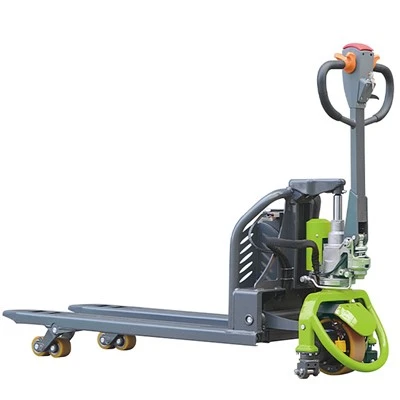
Hand Pallet Trucks As a tractor supplier, we are committed to providing high – quality tractors that are equipped with the latest safety features. We also offer comprehensive support and training to our customers to ensure they can operate our tractors safely and efficiently. If you are in the market for a tractor, or if you have any questions about tractor safety, we encourage you to reach out to us for more information. We are here to help you make the right choice and ensure that you can use your tractor with confidence and peace of mind.
References
- Smith, J. (2018). Tractor Safety Handbook. Agricultural Safety Publications.
- Johnson, A. (2019). Preventing Tractor Roll – Overs in Small Farms. Journal of Agricultural Engineering Research.
- Brown, R. (2020). The Importance of ROPS in Tractor Operation. Safety in Heavy Machinery Journal.
Hangzhou Carry Equipment Co., Ltd.
Hangzhou Carry Equipment Co., Ltd. is one of the most professional tractors manufacturers and suppliers in China, also supports customized service. Please feel free to buy advanced tractors for sale here and get quotation from our factory. For price consultation, contact us.
Address: No.360 Tongxiang Rd., Yinzhou Economic Development Zone, Yinzhou Dist., Ningbo, China
E-mail: Sales@carryupmhe.com
WebSite: https://www.carrymhe.com/
