As a supplier of conventional power transformers, I’ve witnessed firsthand the critical role these devices play in the electrical grid. One of the most pressing concerns in the industry today is the seismic resistance of these transformers. In this blog, I’ll delve into what seismic resistance means for conventional power transformers, why it’s so important, and how we as a supplier are addressing this issue. Conventional Power Transformer

Understanding Seismic Resistance
Seismic resistance refers to the ability of a power transformer to withstand the forces generated by an earthquake without suffering significant damage. Earthquakes can produce a variety of forces, including ground shaking, ground displacement, and soil liquefaction. These forces can cause mechanical stress on the transformer, leading to structural damage, electrical failures, and even complete transformer failure.
The seismic resistance of a power transformer is determined by several factors, including its design, construction, and installation. A well-designed transformer will be able to withstand the expected seismic forces in its location. This involves careful consideration of the transformer’s structural integrity, including the strength of its frame, windings, and insulation. The construction materials used in the transformer also play a crucial role. High-quality materials with good mechanical and electrical properties are essential for ensuring the transformer’s ability to withstand seismic events.
Why Seismic Resistance is Important
The importance of seismic resistance in power transformers cannot be overstated. Power transformers are critical components of the electrical grid, and their failure can have far-reaching consequences. In the event of an earthquake, a damaged transformer can lead to power outages, which can disrupt essential services such as hospitals, emergency response systems, and communication networks. Moreover, the repair or replacement of a damaged transformer can be costly and time-consuming, further exacerbating the impact of the earthquake.
In addition to the immediate consequences of a transformer failure, there are also long-term implications. A damaged transformer can pose a safety risk to personnel and the public. Leaking oil from a damaged transformer can contaminate the environment, and electrical arcing can cause fires. Therefore, ensuring the seismic resistance of power transformers is not only a matter of maintaining the reliability of the electrical grid but also a matter of public safety and environmental protection.
Design and Construction for Seismic Resistance
As a supplier of conventional power transformers, we take seismic resistance very seriously. Our design and construction processes are based on the latest industry standards and best practices for seismic-resistant design.
When designing a transformer, we start by conducting a detailed seismic hazard analysis of the installation location. This analysis takes into account the local seismic activity, including the frequency and magnitude of earthquakes, as well as the soil conditions. Based on this analysis, we determine the appropriate seismic design criteria for the transformer.
In terms of construction, we use high-quality materials and advanced manufacturing techniques to ensure the structural integrity of the transformer. Our transformers are designed with a robust frame and windings that can withstand the seismic forces. We also use special insulation materials that are resistant to mechanical stress and electrical breakdown.
Testing and Certification
To ensure the seismic resistance of our transformers, we conduct rigorous testing and certification procedures. Our transformers are tested to simulate the seismic forces they may encounter in the field. These tests include vibration tests, shock tests, and dynamic response tests.
We also work with independent third-party testing laboratories to obtain certification for our transformers’ seismic resistance. These certifications provide our customers with confidence in the quality and reliability of our products.
Installation and Maintenance
Proper installation and maintenance are also crucial for ensuring the seismic resistance of power transformers. During installation, we ensure that the transformer is properly anchored to the foundation to prevent it from moving during an earthquake. We also follow strict installation procedures to ensure that all electrical connections are secure and that the transformer is properly grounded.
Regular maintenance is essential for keeping the transformer in good condition. We recommend that our customers perform routine inspections and tests to detect any potential problems early. This includes checking the transformer’s oil level, temperature, and electrical performance.
Our Commitment to Seismic Resistance
At our company, we are committed to providing our customers with high-quality, seismic-resistant power transformers. We invest in research and development to continuously improve our products and ensure that they meet the highest standards of seismic resistance.
We also offer comprehensive technical support to our customers. Our team of experts can provide guidance on the selection, installation, and maintenance of our transformers to ensure their optimal performance and seismic resistance.
Contact Us for Seismic-Resistant Power Transformers
If you are in the market for a conventional power transformer with high seismic resistance, we invite you to contact us. Our team of professionals is ready to assist you in finding the right transformer for your needs. We can provide you with detailed information about our products, including their seismic design features and performance.
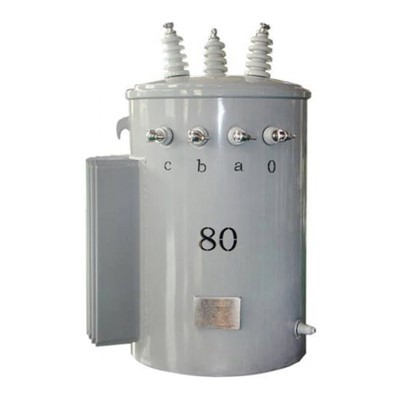
We understand that every customer’s requirements are unique, and we are committed to working with you to develop a customized solution. Whether you are building a new electrical substation or upgrading an existing one, we can help you ensure that your power transformers are able to withstand the seismic forces in your area.
Power Transformer Don’t compromise on the safety and reliability of your electrical grid. Contact us today to discuss your power transformer needs and learn more about our seismic-resistant solutions.
References
- IEEE Std C57.12.00-2010, “IEEE Standard General Requirements for Liquid-Immersed Distribution, Power, and Regulating Transformers”.
- ASCE/SEI 7-16, “Minimum Design Loads and Associated Criteria for Buildings and Other Structures”.
- IEC 60076-1, “Power transformers – Part 1: General”.
Nantong Yawei New Energy Technology Co., Ltd.
As one of the most professional conventional power transformer manufacturers and suppliers in China, we’re featured by quality products and good service. Please rest assured to wholesale durable conventional power transformer made in China here from our factory. Customized orders are welcome.
Address: Room 28-101, Building 27 and 28, No.333 Kaiyuan Avenue, Sunzhuang Subdistrict, Hai’an City, Nantong City, Jiangsu Province, China
E-mail: admin@nantongyawei.com
WebSite: https://www.nantongyawei.com/
