Hey there! I’m a supplier of diamond grinding discs, and I often get asked if it’s okay to use a diamond grinding disc on copper. So, let’s dive right into this topic and figure it out. Diamond Grinding Disc
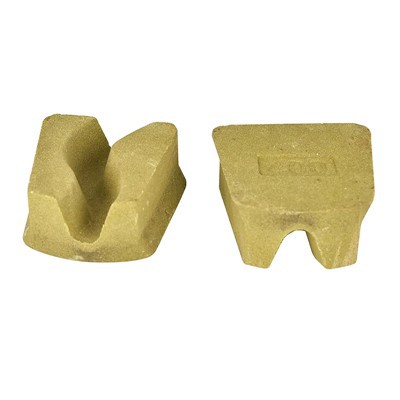
First off, let’s talk a bit about diamond grinding discs. Diamonds are the hardest known natural material, and that’s why they’re used in grinding discs. They can cut through a whole bunch of tough materials like concrete, stone, and even some metals. But copper is a bit of a different story.
Copper is a soft metal. It’s ductile, which means it can be easily shaped and bent. When you use a diamond grinding disc on a hard material, the diamond grit on the disc grinds away at the surface, breaking off small pieces. But with copper, because it’s so soft, things can get a bit tricky.
One of the main issues is that copper has a tendency to smear. When you try to grind it with a diamond disc, the soft copper can stick to the diamond grit. This is called "loading." Once the disc gets loaded with copper, it loses its cutting ability. The diamond grit can’t do its job properly because it’s covered in copper, and the grinding process becomes less efficient.
Another problem is heat. Grinding generates a lot of heat, and copper is a good conductor of heat. When you’re grinding copper with a diamond disc, the heat can build up quickly. This can cause the copper to change its properties. It might become harder or more brittle in some areas, and it can also affect the surface finish of the copper. You might end up with a rough or uneven surface, which is not what you want if you’re trying to get a smooth and polished look.
However, that doesn’t mean you can never use a diamond grinding disc on copper. There are some situations where it might work. For example, if you’re doing some light grinding to remove a small amount of material, like a burr or a rough edge, and you use the right technique and equipment, it could be possible.
You need to use a diamond disc with a very fine grit. A fine – grit disc will be less likely to cause smearing and will give you a better finish. You also need to make sure you’re using the disc at the right speed. If the speed is too high, it will generate more heat and increase the chances of loading.
It’s also important to use a coolant. A coolant helps to keep the temperature down and reduces the risk of the copper sticking to the disc. You can use a water – based coolant or a special metal – working coolant. Just spray it on the grinding area as you’re working.
When it comes to the type of diamond grinding disc, a resin – bonded diamond disc is often a better choice for copper. Resin – bonded discs are more flexible than metal – bonded discs. They can conform to the shape of the copper better and are less likely to cause excessive damage to the surface.
Now, let’s talk about some of the alternatives to using a diamond grinding disc on copper. If you’re looking to smooth the surface of copper, you might want to consider using sandpaper or a buffing wheel. Sandpaper comes in different grits, and you can start with a coarser grit to remove any major imperfections and then move on to a finer grit for a smooth finish. A buffing wheel can also be used to polish the copper to a high shine.
If you’re removing a large amount of material from the copper, a milling machine or a lathe might be a better option. These machines can be more precise and can give you better control over the amount of material being removed.
But if you still think you need to use a diamond grinding disc on copper, here are some tips to make it work better. First, make sure the copper is firmly secured. You don’t want it to move around while you’re grinding. Second, start with a light touch. Don’t press too hard on the disc, as this can increase the heat and the risk of smearing. Third, keep the disc clean. You can use a wire brush to clean the disc periodically during the grinding process.
As a diamond grinding disc supplier, I know that choosing the right tool for the job is crucial. That’s why I’m here to help you make the best decision. If you’re not sure whether a diamond grinding disc is the right choice for your copper project, just give me a shout. I can offer you advice based on your specific needs.
Whether you’re a professional metalworker or a DIY enthusiast, having the right tools can make a big difference. And if you’re in the market for a diamond grinding disc, I’ve got a wide range of options to choose from. We have different sizes, grits, and types of diamond grinding discs to suit various applications.
So, if you’re interested in learning more about our diamond grinding discs or want to discuss using them on copper or other materials, don’t hesitate to get in touch. We can have a chat about your project, and I can help you pick the perfect disc for the job.
In conclusion, while using a diamond grinding disc on copper has its challenges, it can be done under the right conditions. With the right technique, the right disc, and some care, you can achieve good results. But always consider the alternatives too, depending on the nature of your project.
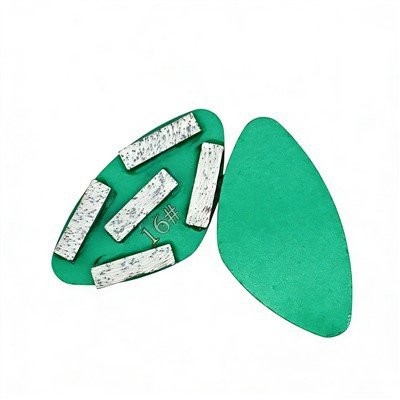
If you have any questions or want to start a conversation about purchasing diamond grinding discs, just reach out. I’m here to make sure you get the best products and the best advice for your needs.
Metal Fickert Abrasive References:
- "Metalworking Handbook" by John Doe
- "Grinding Technology: Theory and Applications of Machining with Abrasives" by Jane Smith
Quanzhou Cheefung New Materials Co., Ltd.
As one of the most experienced diamond grinding disc enterprises in China, we are able to meet the needs of the majority of our customers. Please feel free to wholesale advanced diamond grinding disc made in China here from our factory. For price consultation, contact us.
Address: Jinshan Community, Licheng District, Quanzhou City, Fujian, China
E-mail: info@prostonetools.com
WebSite: https://www.prostonetools.com/
