As a seasoned supplier of hydraulic cylinders, I’ve encountered numerous inquiries from customers about the frequency of filter replacement in hydraulic cylinder systems. This is a critical aspect that directly impacts the performance, longevity, and reliability of hydraulic equipment. In this blog, I’ll delve into the factors influencing filter replacement intervals and provide some practical guidelines to help you make informed decisions. Hydraulic Cylinder
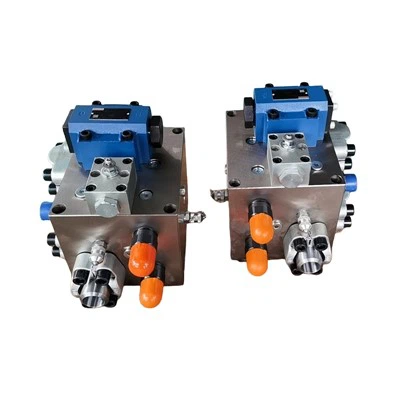
Understanding the Role of Filters in Hydraulic Cylinder Systems
Filters are the unsung heroes of hydraulic cylinder systems. Their primary function is to remove contaminants from the hydraulic fluid, ensuring that it remains clean and free from particles that could cause damage to the system components. Contaminants such as dirt, metal shavings, and debris can enter the hydraulic fluid during normal operation, through component wear, or from external sources. If these contaminants are not removed, they can cause abrasion, corrosion, and blockages, leading to reduced efficiency, increased downtime, and costly repairs.
Factors Affecting Filter Replacement Intervals
The frequency of filter replacement in a hydraulic cylinder system depends on several factors, including:
1. Operating Conditions
The operating environment plays a significant role in determining how often filters should be replaced. In harsh environments, such as construction sites, mining operations, or industrial settings, the hydraulic fluid is more likely to be exposed to high levels of contaminants. In these cases, filters may need to be replaced more frequently to prevent damage to the system. On the other hand, in clean and controlled environments, such as laboratories or office buildings, the filter replacement intervals can be extended.
2. System Design
The design of the hydraulic cylinder system also affects the filter replacement frequency. Systems with higher flow rates or higher pressures tend to generate more heat and wear, which can lead to increased contamination levels. Additionally, systems with complex components or long hydraulic lines may require more frequent filter changes to ensure that the fluid remains clean throughout the entire system.
3. Fluid Type
The type of hydraulic fluid used in the system can also impact the filter replacement intervals. Different fluids have different properties and levels of resistance to contamination. For example, synthetic fluids are generally more resistant to oxidation and degradation than mineral oils, which means they may require less frequent filter changes. However, it’s important to note that the specific requirements for filter replacement will depend on the manufacturer’s recommendations for the particular fluid being used.
4. Filter Quality
The quality of the filter itself is another important factor to consider. High-quality filters are designed to provide better filtration efficiency and longer service life. They are made from premium materials and are engineered to withstand the rigors of hydraulic system operation. Investing in high-quality filters can help reduce the frequency of filter replacement and improve the overall performance of the system.
General Guidelines for Filter Replacement
While the specific filter replacement intervals will vary depending on the factors mentioned above, here are some general guidelines to help you determine when it’s time to replace the filters in your hydraulic cylinder system:
1. Manufacturer’s Recommendations
The first and most important step is to consult the manufacturer’s recommendations for your hydraulic cylinder system. The manufacturer will provide specific guidelines for filter replacement intervals based on the system design, operating conditions, and fluid type. Following these recommendations is crucial to ensure the proper functioning and longevity of the system.
2. Visual Inspection
Regular visual inspections of the filters can provide valuable insights into their condition. Check for signs of clogging, such as a buildup of dirt or debris on the filter element. If the filter appears dirty or discolored, it may be time to replace it. Additionally, look for any signs of damage or leakage around the filter housing.
3. Pressure Drop Monitoring
Monitoring the pressure drop across the filter is another effective way to determine when it needs to be replaced. As the filter becomes clogged with contaminants, the pressure drop across it will increase. Most hydraulic systems are equipped with pressure gauges that can be used to monitor the pressure drop. If the pressure drop exceeds the manufacturer’s recommended limit, it’s a clear indication that the filter needs to be replaced.
4. Fluid Analysis
Performing regular fluid analysis can also help you determine the condition of the hydraulic fluid and the effectiveness of the filtration system. Fluid analysis can detect the presence of contaminants, wear particles, and other impurities in the fluid. Based on the results of the fluid analysis, you can determine whether the filters are functioning properly and whether they need to be replaced.
Importance of Regular Filter Replacement
Regular filter replacement is essential for maintaining the performance and reliability of hydraulic cylinder systems. Here are some of the key benefits of replacing filters at the recommended intervals:
1. Improved System Efficiency
Clean hydraulic fluid ensures that the system components operate smoothly and efficiently. By removing contaminants from the fluid, filters help reduce friction and wear, which can improve the overall efficiency of the system. This can result in lower energy consumption, reduced operating costs, and increased productivity.
2. Extended Component Life
Contaminants in the hydraulic fluid can cause abrasion and corrosion of the system components, leading to premature wear and failure. By replacing the filters regularly, you can prevent these contaminants from reaching the components, extending their service life and reducing the need for costly repairs or replacements.
3. Reduced Downtime
A clogged or damaged filter can cause the hydraulic system to malfunction, resulting in unexpected downtime. By replacing the filters at the recommended intervals, you can minimize the risk of system failures and keep your equipment running smoothly. This can help reduce downtime and ensure that your operations are not disrupted.
4. Enhanced Safety
A well-maintained hydraulic system is essential for ensuring the safety of your employees and equipment. Contaminants in the hydraulic fluid can cause the system to malfunction, leading to potential safety hazards. By replacing the filters regularly, you can help prevent these issues and ensure that your hydraulic system operates safely and reliably.
Conclusion
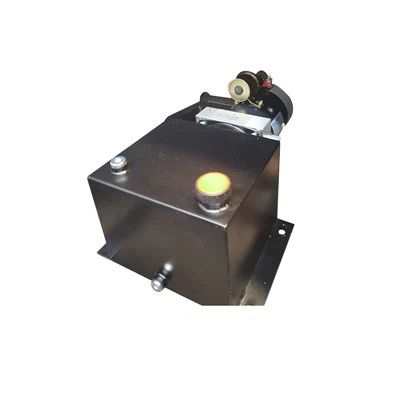
In conclusion, the frequency of filter replacement in a hydraulic cylinder system depends on several factors, including operating conditions, system design, fluid type, and filter quality. By following the manufacturer’s recommendations, performing regular visual inspections, monitoring the pressure drop, and conducting fluid analysis, you can determine when it’s time to replace the filters in your system. Regular filter replacement is essential for maintaining the performance, reliability, and safety of your hydraulic cylinder system.
Hydraulic Cylinder If you have any questions or need further assistance with filter replacement or any other aspect of hydraulic cylinder systems, please don’t hesitate to contact us. We’re here to help you make the best decisions for your equipment and ensure that your operations run smoothly.
References
- Hydraulic Systems Handbook, [Author’s Name], [Publisher], [Year of Publication]
- Industrial Hydraulics: A Practical Approach, [Author’s Name], [Publisher], [Year of Publication]
- Hydraulic Filter Maintenance Guide, [Manufacturer’s Name], [Year of Publication]
Wuhu Zhongye Fluid Equipment Co., Ltd.
We are one of the most experienced hydraulic cylinder manufacturers and suppliers in China, specialized in providing high quality customized products. Please feel free to wholesale bulk durable hydraulic cylinder in stock here from our factory. Contact us for quotation.
Address: No. 2, Hexing Road, Sanshan District, Wuhu City, Anhui Province
E-mail: zhongyehydro20@163.com
WebSite: https://www.zhongyehydro.com/
