In the realm of fluid control systems, the floating ball valve stands as a cornerstone component, renowned for its versatility and efficiency. As a leading provider of floating ball valves, I’ve witnessed firsthand the pivotal role these valves play in various industries. Today, I’m excited to delve into the dynamic performance of floating ball valves, shedding light on what makes them such a popular choice in fluid management. Floating Ball Valve

Fundamental Structure and Working Principle
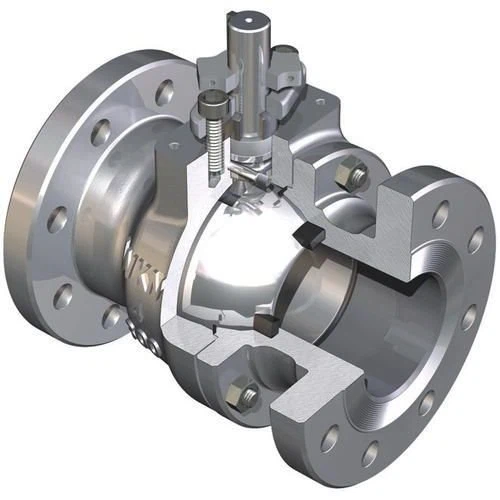
Before we explore the dynamic performance, it’s essential to understand the basic structure of a floating ball valve. The valve consists of a spherical closure element—the ball—with a through-hole or port. The ball is supported on two seats, allowing it to “float” between them. This design enables the ball to be pushed against the downstream seat when the valve is in the closed position, creating a tight seal and preventing fluid flow.
When the valve is opened, the ball rotates 90 degrees, aligning the port with the pipeline. This allows fluid to flow through the valve with minimal resistance. The simplicity of this design not only makes the floating ball valve easy to operate but also contributes to its reliable performance.
Dynamic Performance in Flow Control
One of the most significant aspects of a floating ball valve’s dynamic performance is its ability to control fluid flow accurately. The valve offers excellent flow characteristics, with a low pressure drop across the valve when fully open. This means that the valve allows fluid to pass through with minimal energy loss, making it an energy-efficient choice for many applications.
The flow coefficient (Cv) is a key parameter used to measure a valve’s flow capacity. Floating ball valves typically have a high Cv value, indicating their ability to handle large volumes of fluid. This makes them suitable for applications where high flow rates are required, such as in oil and gas pipelines, water treatment plants, and chemical processing facilities.
In addition to high flow capacity, floating ball valves also provide precise flow control. The quarter-turn operation of the valve allows for quick and easy adjustment of the flow rate. By rotating the ball, the size of the opening between the port and the pipeline can be adjusted, enabling precise control of the fluid flow. This level of control is crucial in applications where accurate flow regulation is necessary, such as in pharmaceutical manufacturing and food and beverage processing.
Sealing Performance under Dynamic Conditions
Another critical aspect of a floating ball valve’s dynamic performance is its sealing ability. The floating ball design ensures a tight seal even under high-pressure conditions. When the valve is closed, the fluid pressure acts on the ball, pushing it against the downstream seat. This creates a self – energizing seal that effectively prevents leakage.
The quality of the seat materials also plays a vital role in the sealing performance. Common seat materials for floating ball valves include PTFE (polytetrafluoroethylene), RPTFE (reinforced polytetrafluoroethylene), and metal. PTFE seats offer excellent chemical resistance and low friction, making them suitable for a wide range of applications. RPTFE seats provide enhanced mechanical properties, such as increased strength and wear resistance. Metal seats, on the other hand, are used in applications where high temperatures and pressures are involved, as they can withstand extreme conditions without losing their sealing integrity.
Under dynamic conditions, such as during valve opening and closing operations, the sealing performance must remain reliable. The floating ball valve is designed to minimize the wear and tear on the seats during these operations. The smooth rotation of the ball and the proper alignment of the seats ensure that the sealing surfaces are not damaged, maintaining a tight seal over the valve’s lifespan.
Response Time and Actuation
The response time of a floating ball valve is an important factor in its dynamic performance, especially in applications where rapid changes in flow are required. The quarter – turn operation of the valve allows for quick opening and closing, which means that the valve can respond rapidly to changes in the process conditions.
Floating ball valves can be actuated manually, pneumatically, hydraulically, or electrically. Manual actuation is suitable for applications where the valve is operated infrequently or where a simple and cost – effective solution is required. Pneumatic actuators are widely used in industrial applications due to their fast response time, high reliability, and ability to operate in hazardous environments. Hydraulic actuators are used in applications where high torque is required, such as in large – diameter valves or high – pressure systems. Electric actuators offer precise control and are often used in applications where automation and remote operation are necessary.
The choice of actuator depends on the specific requirements of the application, such as the operating speed, torque, and control accuracy. By selecting the appropriate actuator, the dynamic performance of the floating ball valve can be optimized to meet the needs of the process.
Resistance to Wear and Corrosion
In many industrial applications, floating ball valves are exposed to harsh operating conditions, including high – velocity fluids, abrasive particles, and corrosive chemicals. Therefore, the valve’s resistance to wear and corrosion is crucial for its long – term performance.
To enhance the wear resistance of floating ball valves, the ball and seats are often treated with special coatings. These coatings can improve the surface hardness and reduce friction, minimizing the wear caused by the flow of abrasive fluids. For example, hard chrome plating or ceramic coatings can be applied to the ball and seats to increase their wear resistance.
Corrosion resistance is also a key consideration. The valve body and internal components are typically made from materials that are resistant to corrosion, such as stainless steel, carbon steel with epoxy coating, or exotic alloys. The choice of material depends on the nature of the fluid being handled. For example, in applications where the fluid is highly corrosive, such as in the chemical industry, exotic alloys like Hastelloy or Monel may be used.
Applications in Different Industries
The excellent dynamic performance of floating ball valves makes them suitable for a wide range of industries. In the oil and gas industry, floating ball valves are used in upstream, midstream, and downstream operations. They are used to control the flow of crude oil, natural gas, and refined products in pipelines, storage tanks, and processing plants. The high – pressure sealing ability and reliable performance of floating ball valves are essential in ensuring the safety and efficiency of these operations.
In the water treatment industry, floating ball valves are used to control the flow of water in various processes, such as filtration, disinfection, and distribution. The ability to provide precise flow control and maintain a tight seal makes them ideal for these applications.
In the chemical industry, floating ball valves are used to handle a variety of chemicals, including acids, bases, and solvents. The corrosion resistance of the valve materials and the reliable sealing performance are crucial in preventing leaks and ensuring the safety of the chemical processes.
Conclusion
In conclusion, the dynamic performance of a floating ball valve is characterized by its excellent flow control, reliable sealing, fast response time, and resistance to wear and corrosion. These features make it a versatile and reliable choice for a wide range of applications in different industries.
As a floating ball valve supplier, we are committed to providing high – quality valves that meet the strictest industry standards. Our team of experts is dedicated to understanding your specific requirements and providing you with the best solutions. Whether you need a valve for a small – scale application or a large – scale industrial project, we have the expertise and resources to meet your needs.
Gate Valve If you are interested in learning more about our floating ball valves or would like to discuss your specific requirements, please feel free to contact us. We look forward to the opportunity to work with you and help you find the perfect valve solution for your application.
References
- "Valve Handbook", by J. F. Perry
- "Fluid Mechanics and Hydraulics", by R. L. Daugherty
- Industry standards for floating ball valves, such as API 6D, ASME B16.34
Zhejiang Sunawei Valve Co., Ltd.
As one of the most professional floating ball valve manufacturers and suppliers in China, we offer a wide range of valves with superior quality. Please feel free to wholesale high quality floating ball valve at competitive price from our factory. We also accept customized orders.
Address: Anfeng Industrial, Oubei Town, Wenzhou City, Zhejiang, China
E-mail: snv@sunawevalve.com
WebSite: https://www.sunay-valves.com/
