Hey there! I’m a supplier of Intelligent Integrated Distribution Cabinets. Today, I’m gonna chat about the ventilation design of these cabinets. It’s a crucial aspect that often gets overlooked but can make a huge difference in the performance and lifespan of the equipment inside. Intelligent Integrated Distribution Cabinet
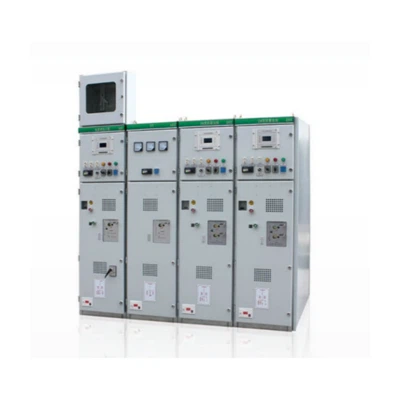
First off, let’s understand why ventilation is so important. Intelligent Integrated Distribution Cabinets house a bunch of electrical components like circuit breakers, switches, and control modules. These components generate heat when they’re working. If this heat isn’t properly dissipated, it can lead to a whole bunch of problems. High temperatures can cause the components to malfunction, reduce their efficiency, and even shorten their lifespan. In extreme cases, it can even lead to a fire hazard. So, an effective ventilation design is essential to keep everything running smoothly and safely.
There are a few key factors to consider when designing the ventilation system for an Intelligent Integrated Distribution Cabinet.
Airflow Path
The first thing we need to think about is the airflow path. We want to create a natural and efficient flow of air through the cabinet. Usually, the hot air rises, so we install intake vents at the bottom of the cabinet and exhaust vents at the top. This way, the cool air can enter from the bottom, absorb the heat from the components, and then rise up and exit through the top vents. It’s like a natural convection process.
We also need to make sure there’s no obstruction in the airflow path. The components inside the cabinet should be arranged in a way that allows the air to flow freely around them. We don’t want any dead zones where the air can get trapped and cause hot spots. Sometimes, we use ducting or baffles to direct the airflow to the areas that need it the most.
Ventilation Rate
Another important factor is the ventilation rate. This refers to how much air needs to be moved in and out of the cabinet per unit of time. The ventilation rate depends on a few things, like the power consumption of the components inside the cabinet, the ambient temperature, and the heat dissipation requirements.
To calculate the ventilation rate, we use some fancy formulas. But basically, we need to make sure that enough fresh air is coming in to remove the heat generated by the components. If the ventilation rate is too low, the temperature inside the cabinet will keep rising. On the other hand, if the ventilation rate is too high, it can be wasteful and may also cause other issues like dust ingress.
Filters
Filters are an important part of the ventilation system. They help to keep dust and other contaminants out of the cabinet. Dust can accumulate on the components and cause them to overheat or malfunction. So, we install filters at the intake vents to trap the dust before it enters the cabinet.
We have different types of filters, ranging from simple mesh filters to high – efficiency particulate air (HEPA) filters. The type of filter we choose depends on the environment where the cabinet will be installed. In a clean indoor environment, a simple mesh filter may be enough. But in a dusty industrial environment, we may need to use a more advanced filter.
Fans
In many cases, natural convection alone isn’t enough to provide the required ventilation rate. That’s where fans come in. We can install exhaust fans at the top of the cabinet and intake fans at the bottom to boost the airflow.
There are different types of fans, such as axial fans and centrifugal fans. Axial fans are good for moving a large volume of air at a relatively low pressure. They’re commonly used in cabinets where the airflow resistance is low. Centrifugal fans, on the other hand, can generate a high pressure and are better suited for cabinets with a higher airflow resistance.
We also need to consider the noise level of the fans. No one wants a noisy cabinet in their office or industrial setting. So, we try to choose fans that are quiet but still provide sufficient airflow.
Monitoring and Control
In an Intelligent Integrated Distribution Cabinet, we can also implement a monitoring and control system for the ventilation. We can install temperature sensors inside the cabinet to keep track of the temperature. If the temperature rises above a certain set point, the system can automatically turn on the fans or increase their speed.
This kind of intelligent control not only ensures that the cabinet is properly ventilated at all times but also helps to save energy. The fans don’t need to run at full speed all the time, only when it’s really necessary.
Testing and Validation
Once we’ve designed the ventilation system, we need to test and validate it. We use simulation software to model the airflow inside the cabinet and predict the temperature distribution. This helps us to identify any potential problems and make adjustments to the design before we build the actual cabinet.
We also conduct physical tests on the prototype cabinets. We measure the temperature inside the cabinet under different operating conditions and check the airflow rate. If the results don’t meet our requirements, we go back to the drawing board and make further improvements.
So, that’s a basic overview of the ventilation design of an Intelligent Integrated Distribution Cabinet. It’s a complex process that involves a lot of engineering and careful planning. But if we get it right, it can greatly enhance the performance and reliability of the cabinet.
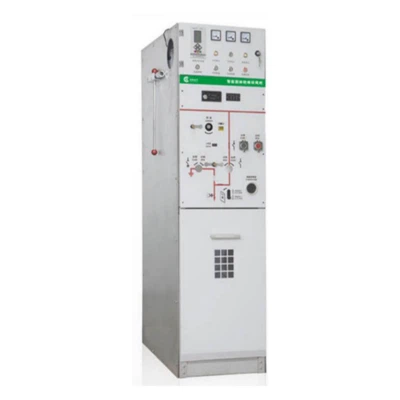
If you’re in the market for an Intelligent Integrated Distribution Cabinet, and you’re concerned about the ventilation design, don’t hesitate to reach out. We’ve got the expertise and experience to design a cabinet that meets your specific needs. Whether you’re in a small office or a large industrial plant, we can provide you with a solution that works. Let’s have a chat about how we can help you with your distribution cabinet requirements.
Power Transformer References:
- Electrical Engineering Handbook for Power Distribution Systems
- Standards and Guidelines for Ventilation Design in Industrial Electrical Equipment
Huachi Electric Co., Ltd.
We’re well-known as one of the leading intelligent integrated distribution cabinet manufacturers in China, featured by quality products and good service. Please rest assured to buy customized intelligent integrated distribution cabinet made in China here from our factory. Contact us for more details.
Address: Plastic Park, Tongyu Street, Luqiao District, Taizhou City, Zhejiang Province
E-mail: HCDQ2026@163.com
WebSite: https://www.huachi-electric.com/
