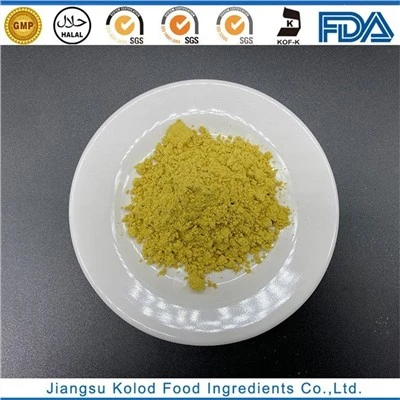
Magnesium citrate is a well – known supplement used for various health purposes. As a supplier of magnesium citrate, I’ve received numerous inquiries about its potential benefits for gallbladder health. In this blog, we’ll delve into the science behind magnesium citrate and its possible role in maintaining a healthy gallbladder. Magnesium Citrate
Understanding the Gallbladder and Its Function
The gallbladder is a small, pear – shaped organ located beneath the liver. Its primary function is to store and concentrate bile, a fluid produced by the liver that aids in the digestion of fats. Bile is released into the small intestine when fatty foods are consumed, helping to break down fats into smaller particles for easier absorption.
Gallbladder problems can occur when bile doesn’t flow properly or when certain substances in the bile, such as cholesterol and bilirubin, become too concentrated. This can lead to the formation of gallstones, inflammation of the gallbladder (cholecystitis), or other disorders.
The Role of Magnesium in the Body
Magnesium is an essential mineral that plays a crucial role in over 300 biochemical reactions in the body. It is involved in energy production, muscle contraction and relaxation, nerve function, and the synthesis of DNA and proteins. Magnesium also helps maintain normal heart rhythm, supports a healthy immune system, and regulates blood sugar levels.
In the context of the digestive system, magnesium is known for its laxative properties. It can draw water into the intestines, softening the stools and promoting regular bowel movements. This is one of the reasons why magnesium citrate is commonly used as a laxative to relieve constipation.
Magnesium Citrate and Gallbladder Health
Several factors suggest that magnesium citrate may have a positive impact on gallbladder health:
1. Relaxation of the Gallbladder Sphincter
The gallbladder is connected to the small intestine by a tube called the common bile duct, which is controlled by a muscular valve known as the sphincter of Oddi. Magnesium has muscle – relaxing properties, and it may help to relax the sphincter of Oddi. When this sphincter relaxes, it allows bile to flow more freely from the gallbladder into the small intestine. This improved bile flow can prevent the stagnation of bile in the gallbladder, reducing the risk of gallstone formation.
2. Prevention of Gallstone Formation
Gallstones are often formed when the balance of substances in the bile is disrupted. Cholesterol gallstones, the most common type, occur when there is an excess of cholesterol in the bile. Magnesium may play a role in maintaining the proper balance of cholesterol and other components in the bile. Some studies have suggested that magnesium can help reduce the saturation of bile with cholesterol, making it less likely for gallstones to form.
3. Anti – inflammatory Effects
Inflammation of the gallbladder can lead to pain and discomfort and may increase the risk of more serious complications. Magnesium has been shown to have anti – inflammatory properties. By reducing inflammation in the gallbladder, magnesium citrate may help alleviate the symptoms of cholecystitis and promote overall gallbladder health.
Scientific Evidence
While the theoretical benefits of magnesium citrate for gallbladder health are promising, the scientific evidence is still somewhat limited.
A few observational studies have found an inverse association between magnesium intake and the risk of gallstone formation. For example, a large – scale population study discovered that individuals with higher dietary magnesium intake had a lower prevalence of gallstones. However, these studies only show an association and do not prove causation.
Some animal studies have also explored the effects of magnesium on the gallbladder. In animal models, magnesium supplementation has been shown to improve bile flow and reduce the incidence of gallstone formation. However, results from animal studies may not always translate directly to humans.
To date, there have been relatively few human clinical trials specifically examining the effects of magnesium citrate on gallbladder health. More research is needed to fully understand the potential benefits of magnesium citrate for preventing and treating gallbladder disorders.
Using Magnesium Citrate for Gallbladder Health
If you’re considering using magnesium citrate to support gallbladder health, it’s important to do so under the guidance of a healthcare professional. Magnesium citrate is available in various forms, including oral supplements and powders that can be mixed with water.
The appropriate dosage of magnesium citrate can vary depending on individual factors such as age, gender, overall health, and dietary intake of magnesium. In general, the recommended dietary allowance (RDA) for magnesium ranges from 310 – 420 mg per day for adults. However, when using magnesium citrate as a supplement for gallbladder health, the dosage may need to be adjusted based on your specific circumstances.
It’s also important to note that magnesium citrate can have side effects, especially when taken in high doses. Common side effects include diarrhea, nausea, abdominal cramps, and electrolyte imbalances. Therefore, it’s crucial to start with a low dose and gradually increase it as tolerated.
Lifestyle Changes and Magnesium Citrate
In addition to taking magnesium citrate, making certain lifestyle changes can also contribute to gallbladder health. These include:
1. A Balanced Diet
A diet rich in fruits, vegetables, whole grains, and lean proteins can help maintain a healthy weight and reduce the risk of gallstone formation. Limiting the intake of high – fat and high – cholesterol foods is also recommended.
2. Regular Exercise
Engaging in regular physical activity can help prevent obesity, which is a major risk factor for gallbladder problems. Aim for at least 30 minutes of moderate – intensity exercise most days of the week.
3. Hydration
Drinking plenty of water is essential for maintaining proper bile flow and preventing dehydration, which can increase the risk of gallstone formation.
Conclusion
As a supplier of magnesium citrate, I’m excited about the potential benefits that this supplement may offer for gallbladder health. While the scientific evidence is still evolving, the theoretical mechanisms by which magnesium citrate may support gallbladder function are encouraging.
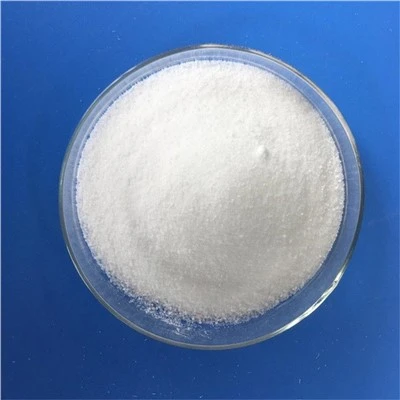
If you’re interested in using magnesium citrate to support your gallbladder health, I recommend consulting with a healthcare provider to determine the appropriate dosage and ensure that it is safe for you. At the same time, incorporating healthy lifestyle changes can enhance the effectiveness of magnesium citrate and promote overall well – being.
Potassium Sorbate If you’re a business owner, healthcare provider, or simply interested in purchasing magnesium citrate in bulk, I invite you to contact me to discuss your procurement needs. I’m dedicated to providing high – quality magnesium citrate products and excellent customer service.
References
- Institute of Medicine (US) Panel on Dietary Antioxidants and Related Compounds. Dietary Reference Intakes for Vitamin C, Vitamin E, Selenium, and Carotenoids. Washington (DC): National Academies Press (US); 2000. Magnesium. Available from: https://www.ncbi.nlm.nih.gov/books/NBK222119/
- Hollander, D., & Singh, N. (2004). Biliary tract disease. In Sleisenger and Fordtran’s Gastrointestinal and Liver Disease: Pathophysiology/Diagnosis/Management (Vol. 2, pp. 1641 – 1718). Saunders.
- Shapses, S. A., & Sukumar, P. (2009). Dietary magnesium intake and supplementation: new perspectives on an old nutrient. Advances in Nutrition, 1(1), 37 – 43.
Jiangsu Kolod Food Ingredients Co., Ltd.
As one of the most professional magnesium citrate manufacturers and suppliers in China, we’re featured by quality products and good price. Please rest assured to wholesale bulk magnesium citrate made in China here and get free sample from our factory. Customized orders are welcome.
Address: South Side of Weier Road, Guanyun Development Zone, Lianyungang City, Jiangsu Province, China
E-mail: sales1399@jskolod.com
WebSite: https://www.kolod-group.com/
