Hey there! As a supplier of Seed Cleaners & Processing, I’ve been getting a bunch of questions lately about whether seed cleaners can be used in combination with other seed treatment methods. Well, let me tell you, the answer is a big fat yes! And I’m gonna break it down for you in this blog. Seed Cleaners & Processing
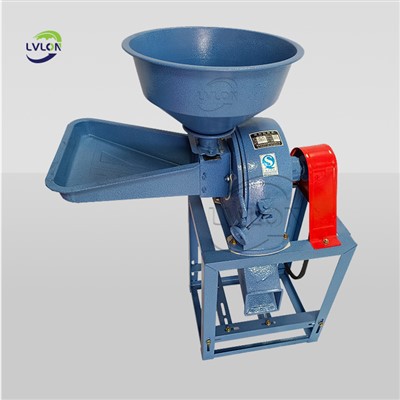
First off, let’s talk about what seed cleaners do. Seed cleaners are basically machines that separate the good seeds from all the junk. They get rid of stuff like dirt, chaff, and broken seeds. This is super important because it helps improve the purity and quality of the seeds. When you have clean seeds, they’re more likely to germinate properly and grow into healthy plants.
Now, there are all sorts of other seed treatment methods out there. One common one is seed coating. Seed coating involves applying a thin layer of material to the seeds. This coating can have all kinds of benefits. For example, it can protect the seeds from pests and diseases. Some coatings also contain nutrients that can give the seeds a head start when they start to grow. Another benefit of seed coating is that it can make the seeds easier to handle.
So, can you use a seed cleaner and then coat the seeds? Absolutely! In fact, it’s often a great idea. When you clean the seeds first, you’re removing all the debris that could interfere with the coating process. A clean seed surface allows the coating to adhere better, which means it’ll be more effective. And when the coating is more effective, your seeds have a better chance of survival in the field.
Another popular seed treatment method is seed priming. Seed priming is a process where you expose the seeds to a controlled amount of water for a certain period of time. This helps to activate the germination process without actually letting the seeds sprout. The benefit of seed priming is that it can speed up germination and make it more uniform.
Combining seed cleaning with seed priming is also a smart move. Clean seeds absorb water more evenly during the priming process. If there’s a lot of dirt or debris on the seeds, it can prevent the water from reaching all parts of the seed, which can lead to uneven germination. So, by cleaning the seeds first, you’re setting them up for a successful priming process.
Heat treatment is another method for treating seeds. Heat treatment can be used to kill pathogens on the seeds. It’s a non – chemical way to protect the seeds from diseases. And when you use a seed cleaner before heat treatment, you’re ensuring that only the pure seeds are being treated. This is important because debris can affect the heat transfer to the seeds. If there’s a lot of stuff mixed in with the seeds during heat treatment, some seeds might not get enough heat to kill the pathogens, while others could get over – heated and damaged.
Let’s also talk about chemical treatments. Chemical treatments are used to protect seeds from pests like insects and fungi. These treatments usually involve applying pesticides or fungicides to the seeds. When you clean the seeds before applying these chemicals, you’re making sure that the chemicals are applied directly to the seeds and not wasted on dirt and debris. This not only makes the treatment more effective but also reduces the amount of chemicals you need to use.
Now, I know what you might be thinking. Is it complicated to use a seed cleaner in combination with other treatment methods? Well, it doesn’t have to be. Most modern seed cleaners are designed to be easy to use and integrate with other processes. You can set up a workflow where the seeds go through the cleaner first, and then they’re ready for the next treatment step.
For example, at our company, we’ve worked with a lot of farmers and seed producers to develop customized seed processing solutions. We can help you figure out the best way to clean your seeds and then integrate other treatment methods based on your specific needs. Whether you’re dealing with small – scale production or large – scale commercial farming, we’ve got the expertise to make it work.
One thing to keep in mind is that you need to choose the right seed cleaner for your needs. There are different types of seed cleaners available, and each one is designed to work with different types of seeds. Some are better for cleaning small seeds like lettuce or carrots, while others are more suitable for larger seeds like corn or beans. So, when you’re planning to combine seed cleaning with other treatment methods, make sure you’ve got the right equipment.
Another factor to consider is the order of the treatments. In most cases, it makes sense to clean the seeds first. But there are some situations where you might want to do things a little differently. For example, if you’re using a very gentle coating that won’t be affected by debris, you could potentially coat the seeds first and then clean them. But this is the exception rather than the rule.
In conclusion, using seed cleaners in combination with other seed treatment methods is a great way to improve the quality and health of your seeds. It can increase germination rates, protect the seeds from pests and diseases, and ultimately lead to better crop yields. If you’re a farmer or a seed producer looking to up your game, I highly recommend considering this approach.
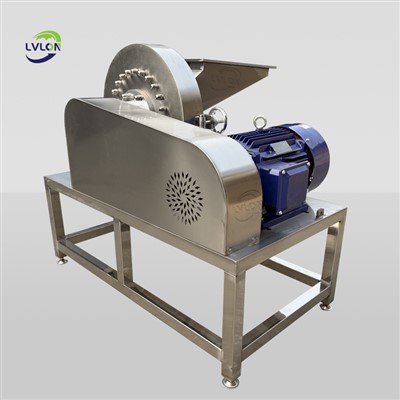
If you’re interested in learning more about our Seed Cleaners & Processing solutions or have any questions about combining seed cleaning with other treatment methods, don’t hesitate to reach out. We’re here to help you find the best solutions for your specific needs. Let’s work together to make your seeds the best they can be!
Feeding Equipment References
- "Principles of Seed Science and Technology" by Jerry K. Fincher
- "Seed Technology and Its Biological Basis" by Chester H. Kramer
Henan Lvlon Industrial Co., Ltd.
Address: Unit 5, 5th Floor, Building 11, No. 18 Dongfeng Road, Jinshui District, Zhengzhou City, Henan Province.
E-mail: lvlonxu@gmail.com
WebSite: https://www.lvlonmachinery.com/
