The movement of the needle in a tattoo motor is a fascinating process that combines engineering precision with artistic necessity. As a supplier of high – quality tattoo motors, I’ve had the privilege of delving deep into the mechanics behind this crucial component of the tattooing process. In this blog, I’ll take you through the detailed workings of how the needle moves in a tattoo motor, exploring the different types of motors, their components, and the factors that influence needle movement. Tattoo Motor
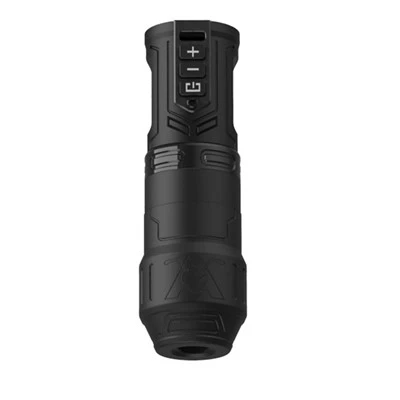
Types of Tattoo Motors
There are primarily two types of tattoo motors: coil tattoo motors and rotary tattoo motors. Each type has its own unique way of making the needle move, and understanding these differences is essential for both tattoo artists and those interested in the technology.
Coil Tattoo Motors
Coil tattoo motors are the traditional workhorses of the tattoo industry. They operate on the principle of electromagnetism. At the heart of a coil tattoo motor are two main components: the coils and the armature bar.
The coils are wound copper wires that create a magnetic field when an electric current passes through them. The armature bar, which is usually made of a ferromagnetic material like iron, is positioned within the influence of these magnetic fields. When the power is turned on, the electric current flows through the coils, generating a magnetic field. This magnetic field attracts the armature bar towards the coils.
Once the armature bar is pulled towards the coils, it causes a lever mechanism to move. Attached to this lever is the needle bar, which holds the tattoo needle. As the armature bar moves, it pulls the needle bar and the needle downward into the skin. When the electric current is interrupted (by a capacitor or another control mechanism), the magnetic field disappears, and a spring attached to the armature bar pulls it back to its original position. This, in turn, pulls the needle bar and the needle back out of the skin.
The speed at which the needle moves in and out of the skin, also known as the stroke rate, can be adjusted by changing the voltage supplied to the coils, the tension of the spring, or the size and configuration of the coils themselves. A higher voltage generally results in a stronger magnetic field, which can increase the force with which the needle is pushed into the skin and potentially increase the stroke rate.
Rotary Tattoo Motors
Rotary tattoo motors, on the other hand, use a different approach to move the needle. Instead of relying on electromagnets to create a back – and – forth motion, rotary motors use a rotating mechanism.
A typical rotary tattoo motor consists of a motor shaft, an eccentric cam, and a connecting rod. The motor shaft rotates when the motor is powered on. Attached to the motor shaft is an eccentric cam, which is a circular disc that is offset from the center of the shaft. As the shaft rotates, the eccentric cam moves in an irregular, circular path.
The connecting rod is attached to the eccentric cam at one end and to the needle bar at the other. As the eccentric cam moves in its circular path, it causes the connecting rod to move back and forth. This back – and – forth motion of the connecting rod is transferred to the needle bar, which in turn moves the needle in and out of the skin.
One of the advantages of rotary tattoo motors is that they can provide a smoother and more consistent needle movement compared to coil motors. The stroke rate of a rotary motor can be adjusted by changing the speed of the motor, which is usually controlled by the power supply.
Factors Affecting Needle Movement
Several factors can influence how the needle moves in a tattoo motor, regardless of whether it’s a coil or a rotary motor.
Power Supply
The power supply is a critical factor in determining the movement of the needle. In coil motors, a stable and adjustable power supply is necessary to control the strength of the magnetic field and, consequently, the force with which the needle is pushed into the skin. A power supply that fluctuates can cause inconsistent needle movement, resulting in uneven tattooing.
In rotary motors, the power supply controls the speed of the motor. A higher voltage or current will generally make the motor rotate faster, increasing the stroke rate of the needle. However, it’s important to note that different motors have different power requirements, and exceeding the recommended power can damage the motor or affect the quality of the tattoo.
Needle Configuration
The type and configuration of the needle also play a significant role in how it moves. Needles come in various shapes, sizes, and groupings. For example, a single needle will move differently than a group of needles bundled together.
The length of the needle bar can also affect the movement. A longer needle bar may result in a larger stroke, meaning the needle will penetrate deeper into the skin. Tattoo artists often choose different needle configurations based on the type of tattoo they are creating, the thickness of the skin, and the desired effect.
Motor Tuning
Motor tuning is an art in itself. In coil motors, adjusting the tension of the spring, the gap between the coils and the armature bar, and the position of the contact screw can all affect the needle movement. A well – tuned coil motor will provide a smooth and consistent stroke, which is essential for high – quality tattooing.
In rotary motors, ensuring that the eccentric cam is properly aligned and that the connections between the components are secure is crucial for optimal needle movement. Any misalignment or looseness can cause vibrations or inconsistent movement, leading to a less precise tattoo.
Importance of Understanding Needle Movement
As a tattoo motor supplier, I understand the importance of helping tattoo artists understand how the needle moves in their motors. A good understanding of needle movement allows artists to choose the right motor for their specific needs, whether they are doing fine line work, shading, or color packing.
For example, if an artist is working on a detailed fine – line tattoo, they may prefer a motor that can provide a very precise and consistent needle movement. A well – tuned coil motor or a high – quality rotary motor with adjustable speed can be ideal for this type of work.
On the other hand, if an artist is doing large – scale shading or color packing, they may need a motor that can handle a higher stroke rate and provide a more powerful needle penetration. In this case, a coil motor with a higher voltage capacity or a rotary motor with a high – speed setting may be more suitable.
Conclusion
The movement of the needle in a tattoo motor is a complex and carefully engineered process. Whether it’s the electromagnetism – based motion of coil motors or the rotating mechanism of rotary motors, each type of motor has its own advantages and characteristics.
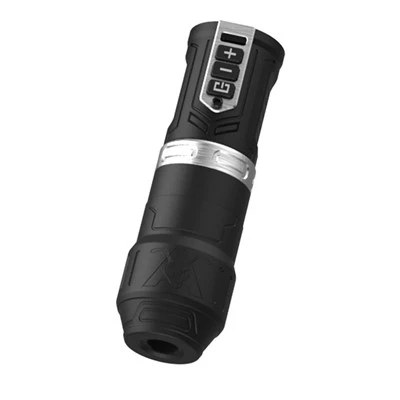
As a supplier of tattoo motors, I’m committed to providing high – quality products that offer consistent and reliable needle movement. We also offer support and guidance to our customers, helping them understand the mechanics of our motors and how to get the most out of them.
Rotary Tattoo Machine If you’re a tattoo artist looking for a top – quality tattoo motor or want to learn more about our products, we invite you to reach out to us for a procurement discussion. Our team of experts is ready to answer your questions and help you find the perfect motor for your tattooing needs.
References
- "The Art and Science of Tattooing" – A comprehensive guide on tattooing techniques and equipment
- Technical manuals of various tattoo motor manufacturers
- Industry research papers on tattoo motor design and performance
Zhuji Taituo Machinery Technology Co., Ltd.
Zhuji Taituo Machinery Technology Co., Ltd. is one of the best tattoo motor manufacturers and suppliers in China for over 20 years, also supports customized service. Welcome to buy advanced tattoo motor made in China here and get quotation from our factory. For price consultation, contact us.
Address: 101, Building 12, Youdi, No. 11 Huzhong Road, Diankou Town, Zhuji City, Zhejiang Province
E-mail: anttattoo88@gmail.com
WebSite: https://www.antinktattoo.com/
