How do Power Transmission Towers Resist Earthquakes?
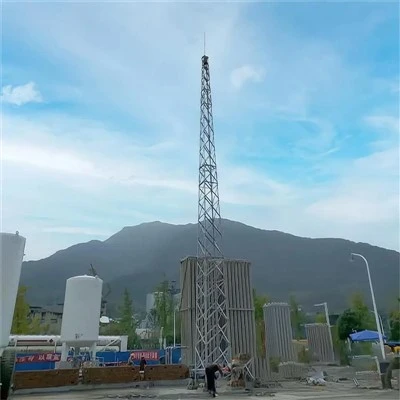
As a supplier of power transmission towers, I’ve witnessed firsthand the critical role these structures play in our modern infrastructure. Power transmission towers are the silent sentinels that carry electricity across vast distances, connecting cities and industries. However, one of the most formidable challenges they face is the unpredictability of earthquakes. In this blog, I’ll explore the engineering marvels and strategies that enable power transmission towers to withstand the immense forces unleashed by seismic events. Power Transmission Tower
Understanding the Seismic Threat
Earthquakes are natural disasters that occur when tectonic plates beneath the Earth’s surface shift and release energy in the form of seismic waves. These waves can cause the ground to shake violently, posing a significant threat to power transmission towers. The impact of an earthquake on a tower depends on several factors, including the magnitude of the quake, the distance from the epicenter, the soil conditions at the tower’s foundation, and the design and construction of the tower itself.
During an earthquake, the ground motion can subject the tower to various types of forces, such as lateral forces, vertical forces, and torsional forces. Lateral forces, which act horizontally, are particularly challenging for power transmission towers as they can cause the tower to sway, tilt, or even collapse. Vertical forces can also be significant, especially in areas where the ground experiences significant uplift or subsidence during an earthquake. Torsional forces, which cause the tower to twist, can further exacerbate the structural damage.
Design and Engineering Strategies
To ensure the safety and reliability of power transmission towers in earthquake-prone areas, engineers employ a range of design and engineering strategies. These strategies are aimed at enhancing the tower’s ability to resist seismic forces and minimize the potential for damage.
Base Isolation
One of the most effective ways to protect a power transmission tower from seismic forces is through base isolation. Base isolation involves installing flexible bearings or pads at the base of the tower to decouple it from the ground motion. These bearings or pads absorb and dissipate the energy of the seismic waves, reducing the amount of force transmitted to the tower structure. By isolating the tower from the ground motion, base isolation can significantly reduce the tower’s response to earthquakes and prevent damage to the structure.
Energy Dissipation Devices
In addition to base isolation, engineers also use energy dissipation devices to enhance the seismic performance of power transmission towers. Energy dissipation devices, such as dampers and braces, are designed to absorb and dissipate the energy of the seismic waves, reducing the amount of force transmitted to the tower structure. These devices work by converting the kinetic energy of the seismic waves into heat or other forms of energy, which is then dissipated away from the tower. By reducing the amount of energy transmitted to the tower, energy dissipation devices can help to prevent damage to the structure and improve its ability to withstand earthquakes.
Reinforced Structural Design
Another important strategy for enhancing the seismic performance of power transmission towers is through reinforced structural design. Reinforced structural design involves using stronger and more durable materials, such as high-strength steel and concrete, to construct the tower. These materials are able to withstand higher levels of stress and strain, making the tower more resistant to seismic forces. In addition, reinforced structural design also involves using additional reinforcement, such as braces and cables, to strengthen the tower and prevent it from collapsing during an earthquake.
Site-Specific Design
Finally, engineers also consider the specific characteristics of the site where the power transmission tower will be located when designing the tower. Site-specific design involves conducting a detailed geotechnical investigation of the site to determine the soil conditions, seismic hazards, and other factors that may affect the tower’s performance during an earthquake. Based on the results of the geotechnical investigation, engineers can then design the tower to be more resistant to the specific seismic hazards present at the site. For example, if the site has soft or loose soil, engineers may design the tower with a deeper foundation to ensure its stability during an earthquake.
Construction and Maintenance Practices
In addition to design and engineering strategies, construction and maintenance practices also play a crucial role in ensuring the seismic performance of power transmission towers. Proper construction practices, such as using high-quality materials, following strict construction standards, and conducting regular inspections, can help to ensure that the tower is built to withstand the expected seismic forces. Maintenance practices, such as regular inspections, repairs, and upgrades, can also help to ensure that the tower remains in good condition and continues to perform as designed over its lifetime.
During the construction of a power transmission tower, it is important to use high-quality materials that are able to withstand the expected seismic forces. This includes using high-strength steel and concrete, as well as other materials that are resistant to corrosion and other forms of damage. In addition, it is also important to follow strict construction standards and guidelines to ensure that the tower is built correctly and safely. This includes using proper construction techniques, such as welding and bolting, and ensuring that the tower is properly aligned and leveled.
Regular inspections are also essential for ensuring the seismic performance of power transmission towers. Inspections should be conducted on a regular basis to check for any signs of damage or deterioration, such as cracks, corrosion, or loose bolts. Any damage or deterioration should be repaired immediately to prevent it from worsening and compromising the tower’s structural integrity. In addition, regular inspections can also help to identify any potential issues or hazards that may affect the tower’s performance during an earthquake, such as changes in the soil conditions or the presence of nearby construction activities.
Finally, maintenance practices, such as repairs and upgrades, can also help to ensure that the power transmission tower remains in good condition and continues to perform as designed over its lifetime. Repairs should be conducted as soon as possible to address any damage or deterioration that is identified during inspections. Upgrades, such as the installation of additional reinforcement or energy dissipation devices, may also be necessary to improve the tower’s seismic performance over time.
Importance of Collaboration
Ensuring the seismic performance of power transmission towers requires collaboration between a variety of stakeholders, including engineers, architects, contractors, and utility companies. By working together, these stakeholders can share their knowledge and expertise to develop innovative solutions that enhance the safety and reliability of power transmission towers in earthquake-prone areas.
Engineers play a crucial role in the design and engineering of power transmission towers. They are responsible for conducting detailed analyses and simulations to determine the expected seismic forces and to design the tower to withstand these forces. Architects also play an important role in the design of power transmission towers, as they are responsible for ensuring that the tower is aesthetically pleasing and fits in with the surrounding environment.
Contractors are responsible for the construction of power transmission towers. They must follow strict construction standards and guidelines to ensure that the tower is built correctly and safely. Utility companies are responsible for the operation and maintenance of power transmission towers. They must conduct regular inspections and maintenance to ensure that the tower remains in good condition and continues to perform as designed over its lifetime.
Conclusion
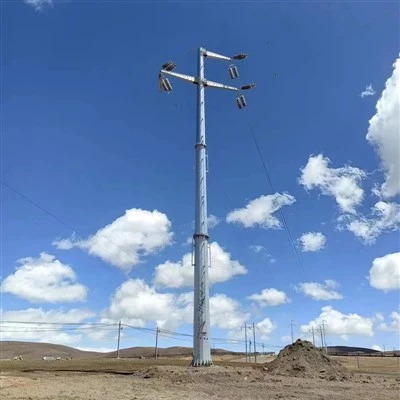
Power transmission towers are essential infrastructure components that play a crucial role in our modern society. However, they face significant challenges from earthquakes, which can cause significant damage to the towers and disrupt the supply of electricity. To ensure the safety and reliability of power transmission towers in earthquake-prone areas, engineers employ a range of design and engineering strategies, including base isolation, energy dissipation devices, reinforced structural design, and site-specific design. In addition, proper construction and maintenance practices are also essential for ensuring the seismic performance of power transmission towers. By working together, engineers, architects, contractors, and utility companies can develop innovative solutions that enhance the safety and reliability of power transmission towers in earthquake-prone areas.
Power Transmission Tower If you’re in the market for high – quality power transmission towers that are designed to resist earthquakes, I’m here to help. Our team of experienced engineers and technicians can work with you to design and build custom – made towers that meet your specific requirements. Whether you’re planning a new power transmission project or need to upgrade an existing tower, we have the expertise and resources to deliver the best solutions. Contact us today to start a conversation about your power transmission tower needs and let’s work together to ensure a reliable and resilient power supply.
References
- Earthquake Engineering Handbook, edited by Braja M. Das
- Seismic Design of Transmission Line Structures: A Guide Manual, by George C. Lee
- Structural Engineering Handbook, edited by Chen – Wu "Michael" Wu
Hunan Zhubang Hongsheng Construction Technology Co., Ltd.
As one of the most professional power transmission tower manufacturers and suppliers in China, we’re featured by quality products and good price. Welcome to buy high-grade power transmission tower made in China here and get quotation from our factory. Customized orders are welcome.
Address: Lutang Village, Yong’an Town, Liuyang City, Changsha City, Hunan Province, Hunan Zhubang Hongsheng Construction Technology Co., Ltd.
E-mail: 19898838989@163.com
WebSite: https://www.chinaenerto.com/
