Hey everyone, thanks for hanging out here! Today I wanna talk about something that almost no one notices at first glance—solid wood board texture. Wait, not the texture like “smooth” or “rough” you feel right away, but the real, nitty-gritty stuff that actually matters when you’re picking wood for your next project. I’m the guy who’s been selling solid wood boards for over 10 years, so trust me, I’ve run my hands on way too many boards to count. Some make you go “whoa” and others… well, let’s just say I’ve had to turn away way more bad stock than I’ve sold. Let’s break this down real, no-jargon stuff, okay? Solid Wood Board
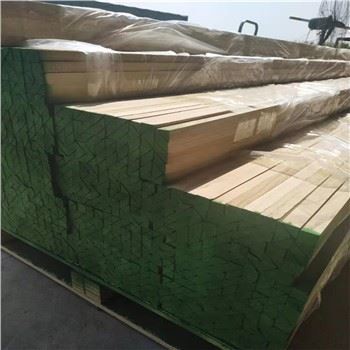
First off, let’s get this straight—solid wood texture isn’t just one thing. It’s the sum of all the little details in the wood’s cell structure, how it grew, how it was cut, even how it’s dried. A lot of people mix up “texture” with “grain” but nah, grain is the line you see, texture is the actual surface feel and visual depth that comes from all the tiny bits between those lines. Think of it like a fingerprint—every tree has its own, and no two boards are exactly the same. That’s the cool part, right? But it’s also why a lot of new folks get tripped up when they buy a board that looks like the sample but feels totally different.
Let’s start with the basics: how the wood grows affects texture. Trees grow in rings, right? Fast-grown trees (like pine, which we all know is super common) have big, wide rings, and their cells are way larger. That makes their texture more “open” or coarse, like running your finger over a slightly porous sponge. Slow-grown trees, like oak or walnut, have tiny, tight rings and smaller cells, so their texture is way denser and smoother—you can feel that difference immediately, I promise. I once had a customer come in and thought all oak was the same texture until I showed him a board from an old-growth oak vs. a new plantation oak. The old one felt almost silkier, the new one had a little more “grit” to it, even after sanding. That’s growth rate doing its thing.
Then there’s how you cut the board—wait, that’s a huge one most people don’t get. If you cut a tree straight down the middle, that’s plainsawn, right? Plainsawn boards have those wavy, curved grain lines, and their texture is a bit more uneven because the cells are cut at different angles. It’s not bad, it just has more visual “character” and a slightly rougher feel. Then there’s quartersawn, which is when you cut the tree along the radius, so the grain lines are straight, almost like stripes. Quartersawn wood has a way more uniform texture, because the cells are cut consistently, and it’s less prone to warping too. We love quartersawn white oak for furniture because it’s super stable and the texture is clean, not fussy. I’ve had a lot of cabinet makers swear by quartersawn because they don’t have to deal with finish inconsistencies from uneven texture on plainsawn.
Drying is another big piece of the puzzle. If you don’t dry the wood right, the texture gets messed up. Air-drying is the old-school way—you stack the wood outside for months, let the moisture leave slowly. That makes the cells shrink evenly, so the texture stays consistent, no big gaps or rough patches. Kiln-drying is faster, but if you do it too hot or too quick, the outer layers dry before the inside, so the cells crack and get a rough, splintery texture on the surface. We always air-dry our stock for at least 6 months before kiln-drying it to finish the job— that’s the secret to why our boards feel smooth even when they’re raw, not just after we sand them. A lot of budget suppliers skip the air-dry step, and you get boards that feel grainy or like they have little cracks all over the surface, even after you sand them down. That’s the difference between good solid wood and the stuff that ends up being thrown away after a project fails.
Wait, let’s talk about actual feel—what does solid wood texture feel like, not just what you see. If you run your hand over a raw, well-made solid wood board, it should feel “organic,” not plastic. It should have a little give, like it’s alive, y’know? Engineered wood (like plywood or MDF) feels hard and flat, like pressed particleboard, no give at all. Solid wood texture has subtle peaks and valleys, the tiny little lines between the growth cells. Some woods, like mahogany, have a really fine texture—so fine it almost feels like glass when you run your hand over it. Ash, on the other hand, has a more open texture, almost like soft leather, which is why it’s good for things like tool handles, where you want a little grip. I once had a customer who was making hand-carved kitchen utensils, and he told me ash’s texture was perfect because it didn’t get slippery when wet, unlike maple which was way too smooth.
Oh, and let’s not forget about natural defects—wait, defects aren’t always bad! A lot of people see a knot and think “that’s a flaw,” but knots are just part of the tree’s growth, and they add texture. A knot in a pine board has a different density, so it feels slightly harder or even a little bumpy next to the surrounding wood. That’s character, not a problem. We get a lot of folks doing rustic furniture who specifically ask for boards with more knots because they want that texture that feels like it’s been around for years. The trick is knowing which defects are just texture and which are actually structural issues—like a knot that’s loose, that’s bad, but a tight knot is just part of what makes solid wood special.
Wait, let’s bust a common myth here: sanding doesn’t change the texture, it reveals it. No matter how good you sand, you can’t make a wood that’s naturally coarse feel fine. If a wood has big, open pores (like teak or oak), sanding will just smooth the surface but you’ll still feel the pores, right? You can fill them with wood filler, but that changes the feel—instead of organic texture, you get a more uniform, almost plastic feel. Some people love that, but purists (and a lot of woodworkers) hate it because it takes away the wood’s natural texture. We leave some boards with their pores unfilled for customers who want that raw, organic look—like for a dining table where you want to feel the wood under your hands when you sit down to eat.
Let’s also talk about how texture changes with finish, because that’s part of the whole picture too. A raw solid wood board has a certain texture, but when you add oil, wax, or polyurethane, it changes how it feels. Oil finishes seep into the wood, so they highlight the natural texture—you’ll feel every little grain line, every pore. Wax is similar, adds a little softness but keeps that organic feel. Polyurethane is a thicker film, so it coats the texture, makes it feel smoother and more like glass, but it hides some of the natural depth. A lot of our customers pick finishes based on what texture they want—if they’re making a bookshelf that’s gonna hold heavy books, polyurethane is durable and smooth. If they’re making a coffee table where people will put their mugs down and rest their arms, an oil finish keeps the wood’s natural texture intact, so it feels warm and alive instead of cold and plastic.
I’ve seen so many projects go wrong because people didn’t pay attention to texture. I remember a guy last year who bought cheap solid wood boards from another supplier for his deck. He said the texture was super rough, like sandpaper, and even after sanding it for hours, it still had splinters. Turns out the supplier skipped the air-dry step, so the wood’s cells were all messed up, and the texture was coarse because the cells themselves were damaged. We sold him a new set of quartersawn cedar boards, and he called me a month later saying he’d never felt wood that smooth, even raw. That’s the difference between knowing your stuff and cutting corners.
Another thing: texture affects how the wood ages too. A denser, fine-textured wood like walnut will patina slower, right? The texture is so tight that light and air don’t get in as easy, so it stays looking newer longer. A more open-textured wood like pine will patina faster, the texture lets the light in, so it gets that warm, golden look after a few years. That’s why a pine cabin feels cozy right away, even new, while a walnut office feels more refined and timeless. We always tell customers to think about how they want their wood to feel in 10 years, not just how it feels when it’s new.
Wait, let’s get back to being a solid wood supplier, because that’s my bread and butter. A lot of customers come to me and say “I just need a solid wood board” but they don’t know that texture is way more important than they think. I never just sell them a board— I ask them what they’re using it for: is it a dining table? A deck? A bookshelf? A carving project? That tells me what texture they need. If they want a smooth tabletop, I’ll point them to quartersawn walnut or maple, fine-textured, stable. If they want a rustic, handcrafted piece, I’ll give them plainsawn pine or ash, full of character, that rough, organic texture. If they’re building an outdoor deck, I’ll recommend teak or ipe—dense, coarse texture that holds up to the elements, doesn’t get slippery when wet. I don’t just dump stock on them; I make sure they get the texture that fits their project.
I also always test every board myself before sending it out. I run my hand over it, look at the grain, check for uneven texture, make sure there’s no damage from bad drying. Because if a customer gets a board that feels rough or has inconsistent texture, that’s on me. I’ve turned down big orders before because the texture was off—like a custom order for 50 oak cabinets, but the stock had patches of different texture from being cut wrong. I told the customer I couldn’t send it, even though they were willing to pay more, because I’d rather keep my word than deliver something that would make them look bad.
So to wrap this up, solid wood texture isn’t just a buzzword—it’s the whole soul of the wood. It’s how it grew, how it was cut, how it was dried, how it’ll age. It’s the difference between a cheap piece that falls apart and a solid wood piece that lasts generations. If you’re working on a project, don’t just look at the price or the grain picture—run your hand over the board, ask your supplier about how it was processed, think about what texture you actually want.

If you’re in the market for solid wood boards, whether it’s for furniture, decks, cabinetry, or whatever project you’ve got going on, hit me up. I’ve got stock in all kinds of woods, all textures, and I’ll help you pick exactly what you need, no pressure, no jargon. Let’s chat about your project, make sure you get the right solid wood that feels right for you.
Decoration Wood Board References
- Forest Products Laboratory. (2010). Wood Handbook: Wood as an Engineering Material. U.S. Department of Agriculture.
- Williams, R. S. (2005). textured Wood: Understanding and Using Wood’s Most Critical Attribute. Fine Woodworking Press.
- Simpson, W. T. (1999). Dry Wood: Principles and Practices. Forest Products Society.
- Snodgrass, E. L., & Schneberk, D. J. (1996). Wood Finishers’ Bible: The Ultimate Guide to Finishing Wood. Taunton Press.
- Wang, X., et al. (2018). Effect of Cutting Pattern on Wood Surface Texture and Dimensional Stability. Journal of Wood Science.
Cao County Hengyu Woods Co., Ltd.
Cao County Hengyu Woods Co., Ltd. is one of the leading solid wood board manufacturers and suppliers in China. We warmly welcome you to wholesale customized solid wood board at low price from our factory. Good service and cheap products are available. For free sample, contact us now.
Address: Cao County, Heze City, Shandong Province, China
E-mail: anna@hengyuwood.com
WebSite: https://www.hengyuwooden.com/
