Hey everyone, LED Emergency Light
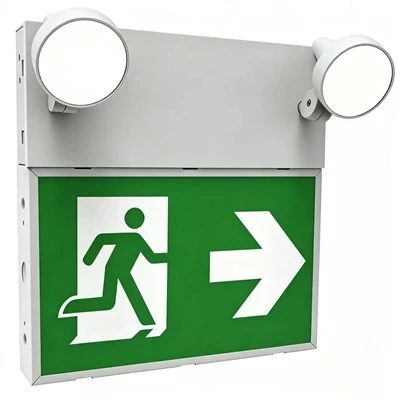
If you’ve ever walked past a hallway exit sign after the power cuts out, or had a gas station pop up their emergency lights when the grid flickers, you’ve probably stared at an LED emergency light without thinking twice about how it’s built. But as someone who’s been in the LED emergency light supply game for years, I get asked this question all the time: “What’s the actual weight of an LED emergency light?” It’s not just a random number—weight matters for so many things, from how we package our products to how easy they are to install, even how well they hold up in tight spaces or extreme weather.
Let’s break this down, no fancy jargon, just straight talk. First, I should clarify: there’s no one-size-fits-all answer. An LED emergency light’s weight depends on what it’s made for—like, a small exit sign that mounts above a door is way different from a big, industrial-grade unit that lights up a warehouse parking lot. But let’s start with the basics that every customer should know, whether you’re a property manager, an electrician, or someone shopping for bulk units.
First, the main parts that add up to the weight. Every LED emergency light has three core components: the LED module itself, the battery (that’s the backup power, super important for emergencies), and the housing (the case that protects everything from bumps, rain, dust). A lot of people forget the battery is a huge part of the weight, right? Unlike regular LED lights that plug straight into the grid, emergency units need a rechargeable battery to kick on within 90 seconds if the power goes out. The bigger the battery’s capacity, the heavier that part is. That makes sense—if you need a unit to run for 90 minutes instead of 30, the battery’s gonna be a lot bigger.
Then there’s the housing. We use different materials for different jobs. For indoor units, most go with lightweight plastic (ABS, usually) because it’s cheap, easy to mold, and doesn’t get banged up much. Those are the ones you see in office hallways, retail stores, small apartments. For outdoor units, though? We use aluminum or steel, because they need to stand up to rain, snow, extreme heat, even occasional impacts from forklifts or ladder bumps. Metal housings are way heavier than plastic, obviously. The LED module is super light, by the way—those little diodes themselves barely add an ounce to the total.
So let’s put numbers to this, keep it real. Let’s start with the smallest, most common units: the exit sign-only LED emergency lights. These are the ones that say “EXIT” in big letters, usually mount 7 feet up above a door. A typical indoor version here weighs between 1.2 lbs and 2.5 lbs. Wait, that’s not much, right? Because they have a small battery (usually a 3.6V nickel-cadmium or lithium-ion battery, small enough to fit in the thin sign frame) and a plastic housing. We’ve even got some ultra-compact ones for tight spaces, like under kitchen cabinets, that are under a pound. But if that same exit sign is rated for outdoor use, the aluminum housing adds another 1-2 lbs, so it jumps to 2.5-4.5 lbs. That makes sense—needs to handle being outside, so sturdier case.
Next up, the bigger emergency light fixtures—these are the ones that look like small floodlights, used to light up large areas when power cuts. Think warehouse loading docks, gymnasiums, retail parking lots, school hallways that are long and dark. These are way heavier, and that’s all about the battery. A basic indoor-only flood-style emergency light here is between 3 lbs and 8 lbs. But if it’s an outdoor unit, or it’s rated to run for 90 minutes (the standard for most commercial buildings), it’s 8 lbs to 18 lbs. We’ve got industrial-grade ones for factories or big box stores that run for 120 minutes, and those can hit 25 lbs easy. Why so heavy? The battery capacity jumps from like 1000 mAh for a small exit sign to 10,000 mAh or more for a big flood light. Add in the thick aluminum housing to protect the battery and LED from dust and moisture, and that weight adds up fast.
Wait, I should also mention a common mistake people make: older emergency lights used lead-acid batteries, which are way heavier than the lithium-ion or NiMH batteries we use now. Back in the day, a basic exit sign could be 5 lbs just from the lead battery—no wonder electricians hated installing them, they were clunky. Now, our batteries are way more energy-dense, so same or longer run time, less weight. That’s a big win for installers and customers who have to move these units around.
But here’s the thing: weight isn’t just a random spec we throw on a data sheet. It affects everything for both us as suppliers and you as the end user. Let’s talk about installation first. A 1.5-lb exit sign is easy to mount with just two screws, even a DIY person can do it. A 20-lb industrial emergency flood light? That needs heavy-duty mounting brackets, maybe even a helper to hold it up while you attach it to the wall or ceiling. If you’re a property manager ordering bulk units, shipping weight matters too. We don’t mark up shipping, so a lighter unit means lower shipping costs for you, which we pass on to keep prices fair. That’s why we push lithium-ion batteries so hard—saves on shipping for everyone.
Also, weight can be a sign of quality? Wait, no, not always, but a super light emergency light that’s supposed to be outdoor—if it’s only 2 lbs, that’s probably thin plastic housing that won’t hold up to a hailstorm, right? We’ve had customers ask us for cheap outdoor units that weigh under 3 lbs, but we tell them straight: that’s not worth it. Thin plastic cracks, the battery is tiny so it dies after 20 minutes, not the required 90. We’d rather sell you a unit that’s 5 lbs for outdoor use, works for 10 years, than a 2-lb one that breaks in a year. That’s the kind of supplier we are, no fluff, no garbage products.
Another point: emergency lights in tight spaces. Like, if you’re installing one in a ceiling void that only has 6 inches of clearance, a heavy unit might not fit. We have low-profile LED emergency lights that are thin, so even though they have a decent battery, they’re only 3 lbs, easy to fit in tight spots. That’s why we carry different weights for different use cases—we don’t do one size fits all, because that doesn’t work for anyone.
Wait, let’s clear up a common question: do weights vary between brands? Absolutely. Some cut corners on the battery, so their units are lighter, but the run time is garbage. Others use cheaper plastic for outdoor, so their outdoor units are same weight as indoor, but they’ll break in 6 months. We test every single one of our units, so we know exactly what the weight means. For example, our standard commercial exit sign is 1.8 lbs indoor, 3.2 lbs outdoor, runs for 90 minutes, and is rated for 10,000 hours of use. That’s not a random number—we tested it, balanced the battery size and housing to get the best weight for durability and performance.
I’ve had customers tell me they used to buy super cheap emergency lights online, and when they got them, they were way lighter than advertised. Then they’d test them, and they’d die after 10 minutes. That’s the worst, especially if you have a power outage and you’re in the dark for longer than that. So weight isn’t just a spec—it’s a quick way to tell if the unit is built to last, as long as you’re comparing apples to apples. A 3-lb indoor unit is totally different from a 3-lb outdoor unit, because the outdoor one has thicker metal and a bigger battery, so that 3 lbs is actually a lot more useful.
Let’s also talk about residential vs commercial. If you’re a homeowner needing an emergency light for your basement or garage, you don’t need a 20-lb industrial unit. Our residential-grade LED emergency lights are usually under 2 lbs, way cheaper, perfect for small spaces. I get it, homeowners don’t want to spend a ton, and they don’t need a unit that can light up a whole Walmart. But for commercial use, you need that sturdier, slightly heavier unit to meet fire codes and last for years.
Another thing: when we design new units, we’re always tweaking the weight to make them better. A few years ago, we had a big flood light that was 22 lbs, and we redesigned the battery to be a higher-density lithium-ion, cut the weight to 17 lbs, and kept the same 120-minute run time. That’s a win-win—easier to install, lower shipping cost, same great performance. We do that with every product we make, because we know weight matters to our customers.
Wait, let’s get back to the original question: “What’s the weight of an LED emergency light?” The short answer is: it depends on the type. Small indoor exit signs: 1-2.5 lbs. Outdoor exit signs: 2.5-4.5 lbs. Indoor flood-style emergency lights: 3-8 lbs. Outdoor/industrial flood lights: 8-25 lbs. That’s the range we see every day as suppliers. But the longer, more important answer is that weight ties directly to how the light works, how long it lasts, and how easy it is to use.
If you’re in the market for LED emergency lights, don’t just look at the price tag. Ask about the weight, what the battery is, what the housing is made of. A super cheap unit that’s lighter than all the others? That’s a red flag. It’s probably got a tiny battery, cheap plastic, will fail when you need it most. We build our units to meet NFPA codes, OSHA standards—so we don’t cut corners. Our products are within that weight range I mentioned, and they’re tested to run for the required 90 minutes, or whatever your space needs.
At the end of the day, emergency lights aren’t something you want to cheap out on. When the power goes out, that light has to turn on immediately, and stay on long enough for everyone to get to safety. The weight is a small part of the product, but it tells you a lot about how it’s built. If you’re ordering bulk units for your business, or need a few for your home, we can hook you up with exactly what you need—no guesswork, no overpriced products, just solid LED emergency lights that work when you need them.
If you’ve got questions about which weight is right for your space, or want to chat about bulk pricing, don’t hesitate to reach out. We’re here to help you pick the right emergency light for your needs, no sales pressure, just honest answers.
LED Batten Light References
- National Fire Protection Association (NFPA) 101: Life Safety Code
- International Electrotechnical Commission (IEC) 60598-2-22: Luminaires – Part 2-22: Particular Requirements – Emergency Lighting Luminaires
- LED emergency light battery technology: U.S. Department of Energy Solid-State Lighting Program Report, 2022
- ASTM International Standard for Emergency Lighting Unit Durability, ASTM E2031-19
Debesen (Shanghai) Optoelectronics Technology Co., Ltd.
We are one of the most professional led emergency light manufacturers and suppliers in China, featured by quality products and good service. Please rest assured to wholesale advanced led emergency light in stock here and get quotation from our factory. We also accept customized orders.
Address: No.258 Xiucheng Road, Fengcheng Town Economic Development Zone, Fengxian District, Shanghai
E-mail: Debesen258wendy@163.com
WebSite: https://www.debesen.com/
