Hey everyone, Sarah here from your go-to globe valve supplier—so glad you stopped by. Today, I get a ton of DMs and calls asking, “What’s the pressure rating of a globe valve?” It’s one of those questions that sounds simple, but you’d be surprised how many folks mix up terms, guess, or get stuck on random numbers without actually knowing what they mean. Let’s break this down like we chat over coffee, no boring engineering jargon (okay, maybe a little, but I’ll keep it real). Globe Valve
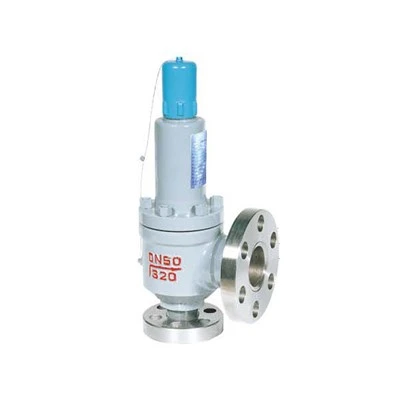
First off, let’s kill the myth: there’s no single “one-size-fits-all” pressure rating for globe valves. I’ve had a customer once ask for a “standard 150 psi globe valve” and swear I was overcomplicating things when I asked what they were actually using it for. Turns out they were working on a residential water heater upgrade, so a 150 psi was perfect, but if they’d tried that on a 300-psi steam line? They’d be in for a way worse headache than a flooded garage.
So what is a pressure rating, exactly? Think of it like a valve’s credit score—how much pressure it can safely handle before it’s at risk of failing (leaking, cracking, blowing out). It’s not just the valve itself, either; it’s tied to three big things: the valve material, the size of the valve, and the temperature of the fluid running through it. Wait, yeah—temperature matters a lot. A valve can handle more pressure if the fluid is cold, but crank up the heat, and that number drops fast. For example, a bronze globe valve rated for 150 psi at 100°F might only handle 80 psi at 400°F because bronze softens when it’s hot. That’s the kind of detail I drill into our team so we can point customers to the right valve, not just a random one off the shelf.
Now, how do we actually read those pressure ratings? You’ve probably seen numbers like Class 150, Class 300, Class 600, or maybe PSI ratings like 150 psi, 300 psi—those aren’t the same. Class ratings are more common in industrial settings, while PSI (pounds per square inch) is often used for smaller, residential or light commercial valves. Let’s translate that real quick: Class 150 is roughly equal to 150 psi at low temps, Class 300 is ~300 psi, Class 600 is ~600 psi. Easy enough, right? But again, that’s only at that base temperature. Higher classes mean they can handle way more pressure and heat, which is why you’ll see Class 900, Class 1500 for heavy-duty stuff like oil refineries or power plants.
Wait, another big point: valve size affects it too. A 2-inch globe valve and a 8-inch valve from the same material and same Class? They won’t have the exact same pressure rating. The bigger the valve, the more stress on the metal (it’s like trying to hold a beach ball vs. a basketball—more surface area means more force from pressure). For example, a Class 150 carbon steel globe valve might be rated for 285 psi at 100°F when it’s 2 inches wide, but that drops to 200 psi when it’s 8 inches. That’s why I never just go off Class or size alone—we cross-reference both every time.
Let’s talk about materials because that’s where I see most mistakes. We sell globe valves in bronze, carbon steel, stainless steel, and sometimes cast iron for low-pressure, non-critical jobs. Bronze is great for water, gas, and steam at moderate temps, so it’s usually Class 150 or 300. Carbon steel is way sturdier, so it can handle higher pressure and hotter stuff—great for oil pipelines or heating systems. Stainless steel is for super corrosive fluids (chemicals, food processing) and can bump up to Class 600 or even higher if needed. Cast iron? I only recommend that for things like irrigation lines or simple HVAC drains where pressure is under 100 psi—don’t use that on a boiler, trust me, I’ve seen the mess.
Now, let’s get to the real-world examples, because that’s what sticks. Last month, a food processing plant hit me up because their old globe valve on a pasteurization line kept blowing. They’d grabbed a cheap Class 150 bronze valve, but their pasteurizer runs at 250°F and 220 psi. Turns out at 250°F, that bronze valve’s pressure rating drops to ~120 psi—way too low. I hooked them up with a Class 300 stainless steel globe valve, which could handle 300 psi at that temp, and they haven’t had a single issue since. That’s the kind of call that makes my job worth it—fixing a problem not with a part, but with the right, tailored part.
Another thing: pressure ratings vs. working pressure vs. test pressure. Don’t mix these up! Let’s keep it simple:
- Maximum Pressure Rating: The absolute highest pressure the valve can handle at a given temp without failing. We never recommend running at that—safety buffer, right?
- Working Pressure: That’s the pressure you actually run at, usually 70-80% of the max rating. So if your valve is rated for 300 psi, run it at ~240 psi to avoid wear and tear.
- Test Pressure: That’s what we (suppliers) do before shipping—we pressurize the valve way higher than the max rating (like 1.5x) to make sure there are no leaks. That’s not something you use in your system, just a quality check.
I know this sounds like a lot, so let’s wrap it up with the key takeaways that’ll save you from headaches:
- No universal pressure rating—depends on material, size, and fluid temperature.
- Don’t just go by Class or PSI—double-check the temp rating, that’s the sneaky one that gets people.
- Never run at the max rating—leave a safety buffer.
- If you’re not sure, ask someone who knows globe valves (hi, that’s us!).
Whether you’re a plumber doing a residential repair, an engineer designing a new industrial system, or a maintenance guy troubleshooting a line, getting the pressure rating right is non-negotiable. Too low, and you get leaks, downtime, maybe even safety issues. Too high, and you’re wasting money on an overbuilt valve that costs way more than you need.
At our shop, we don’t just sell parts—we give you the deets, no fine print. If you’re working on a project and you’re stuck on what pressure rating you need, or you need to replace a failed valve, hit us up. We can walk you through matching material, size, and pressure to your exact application, no pressure (pun totally intended). Just tell us what fluid you’re moving, the temp, the line pressure, and the size you need, and we’ll hook you up with the right globe valve.
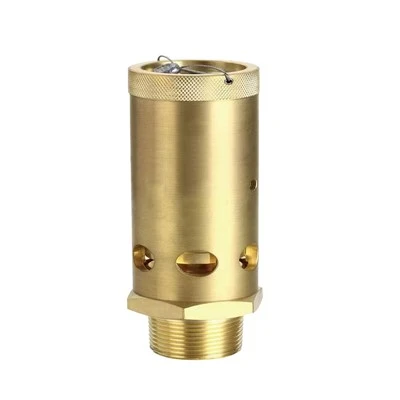
Don’t wait till your next valve blows—get it right the first time, and save yourself the hassle.
Ball Valve References:
- American Water Works Association. (2020). AWWA C507: Metallic Valves for Water and Wastewater Services.
- American Petroleum Institute. (2021). API 600: Steel Gate Valves, Bolted-Bonnet, for Petroleum and Natural Gas Industries.
- Manufacturing Chemists Association. (2019). Pressure and Temperature Ratings for Process Valves in Chemical Service.
Wenzhou Starry Valve Co., Ltd.
Wenzhou Starry Valve Co., Ltd. is one of the most professional globe valve manufacturers and suppliers in China, also supports customized service with low price. Please feel free to buy the newest globe valve made in China here from our factory. Welcome to contact us for pricelist.
Address: No.4900, 3rd Road, Binhai Industrial Park, Wenzhou Economic & Technological Development Zone, Wenzhou City
E-mail: starryvalves@163.com
WebSite: https://www.starryvalves.com/
