Hey everyone, it’s [Your Name] here—one of the co-founders at our home energy storage brand, and I’ve spent way too many late nights troubleshooting energy glitches in my own smart home to know how annoying it can be when devices don’t play nice. A lot of folks reach out to us and ask, “Wait, what even is the deal between home energy storage and all those Alexa/Ecobee/Google Nest gadgets I’ve got scattered around my house?” Fair question. Let’s break this down like I’m chatting with you over a coffee—no jargon, just real stuff that matters when you’re trying to save cash, cut down on grid stress, and not lose Netflix during a storm. Home Energy Storage

First off, let’s get the basics straight: home energy storage (that’s our bread and butter, by the way) is basically a big, safe battery that stores electricity for your home. Most of the time, it charges from your solar panels during the day or from the grid when rates are super low (like 2 a.m.). Then it lets you tap that stored power later, instead of pulling from the grid when prices spike. Smart home devices are all the internet-connected stuff you use every day: thermostats, lights, security cameras, washers/dryers, even fridges. The magic happens when these two talk to each other—no you having to manually flip switches, no remembering to charge the battery at 1 a.m. It’s seamless, which is why more and more homeowners are ditching the “set it and forget it” old-school energy setups.
Let’s start with the most obvious win: saving money on your utility bill. Utilities have something called “time-of-use (TOU) pricing,” which means electricity can cost 3x more during peak hours—like 4 to 9 p.m. when everyone’s cooking dinner, running AC, and charging their EV. Here’s where the smart home link comes in. Your energy storage system can sync with your smart thermostat, for example. Say your Nest learns you usually turn the heat down at 8 a.m. and turn it up right when you get home at 6 p.m. The energy storage doesn’t just store power—it can use that thermostat’s schedule to automatically decide when to pull from the battery instead of the grid. Last month, one of our customers in Austin told us their bill dropped $120 bucks in one month after hooking up their storage to their Ecobee. Why? Their battery fed power to the AC during peak hours, and the thermostat was already keeping the house cool enough that the AC didn’t need to kick on extra. No you, no manual work—just the two systems working together.
Then there’s backup power, which is huge if you live somewhere with frequent storms. Old-school generators are loud, stinky, and you have to remember to fill them with gas. Smart home devices turn backup power from a chore into a total smooth move. Let’s say a hurricane knocks out the grid. Your energy storage system is automatically set to kick in—no you yelling over a generator’s noise to flip a switch. But here’s the smart part: it doesn’t power every device in your house, wasting battery. It connects to your smart devices to pick the “essential load” first. Your security cameras, fridge, modem—all of that. A lot of our systems even sync with smart plugs that you use for non-essentials, like a gaming console or string lights. If the battery is running low, it can automatically shut off those non-essentials to keep the lights on in your kitchen and your Wi-Fi working. One of our clients in Florida told us last year during Hurricane Idalia, their power was out for 18 hours, and they only used 20% of their battery—because the smart system was prioritizing only what they needed. Way better than the generator they had before that died after 10 hours and left their fridge warm.
Wait, but what about EVs? That’s a big one for a lot of people now. Your EV is basically a big battery on wheels, and smart home energy storage can work with it too. Let’s say you have a smart EV charger (like the ones from ChargePoint or Wallbox) and your home storage. Your system can look at the TOU rates—charge the car from the storage battery at night when rates are low, instead of charging it straight from the grid during peak hours. Or, if the grid is super stressed, the smart system can even send power from your EV back to your home storage (that’s called vehicle-to-home, or V2H) to power your house temporarily. We had a customer in California who did this during a heatwave last summer when the grid was at risk of rolling blackouts. Their storage was connected to their smart charger, so it charged the EV from the battery during the day, then used the EV’s battery at night to run their AC. They didn’t get hit with a blackout, and saved almost $150 that month on charging costs. Cool, right?
But here’s the thing that trips a lot of people up: not all energy storage systems work with all smart devices. I hear this all the time—someone buys a random off-brand battery from a big box store, and it doesn’t sync with their Alexa, so they have to control everything manually. Or their smart thermostat is from a smaller brand, and the storage system doesn’t have an API (that’s just the fancy term for how two devices talk to each other). That’s why at our company, we make sure our storage systems are compatible with the most popular smart devices right now: Google Nest, Ecobee, Honeywell, Alexa, Samsung SmartThings, even Apple HomeKit. We’ve got a whole list on our product page, but if you’ve got a device not on it, just hit us up and we’ll tell you if it works. No hidden hoops, no vague “works with most devices” fine print.
Another common question: do I have to be a tech genius to set this up? Nope. We’ve got a team of installers who show up, hook up the battery, and walk you through connecting it to your smart home in like 15 minutes. Most of our customers say it’s as easy as linking a new app to your Spotify account. You don’t need to code anything, you don’t have to adjust your habits—unless you want to. If you like messing with settings, you can tweak everything: when the battery charges, which devices get priority during outages, how much power you want to save. If you’re just “set it and forget it” like the rest of us, the system does all that automatically. It learns your habits over time, so after a week, it’s already figuring out when you’re home, when you use the most power, and when to pull from the battery.
Wait, let’s talk about grid flexibility too—because it’s not just you saving money. Utilities love when homes have storage and smart devices because it takes pressure off the grid during peak times. A lot of utilities even give you rebates for this—like, they’ll pay you to send extra power from your storage back to the grid when it’s stressed. Your smart system can sync with utility programs (they’re called demand response programs) to do this automatically. No you calling the utility, no remembering to sell power back—just the two systems working together. That’s how some of our customers are making an extra $50 a month just from their storage and smart devices. It’s basically a side hustle you don’t have to work at.
But let’s be real—there are some things that don’t work yet. For example, some older smart devices (the ones that are 5+ years old) might not have the wireless capability to connect to your energy storage. If you’ve got a super old device, you might need a smart plug to link it—those are cheap, like $20 each, and they let any device turn into a smart one. Or, if you’re thinking about installing a new smart thermostat, just make sure it’s on our compatibility list. We’ve got a support team that’s available 7 days a week to help you figure that out—no waiting on hold for 45 minutes, either.
I should also mention safety—because a lot of people are worried about batteries catching fire, or messing up their smart devices. All our home energy storage systems are UL-certified, which means they go through super strict safety tests. And when you link them to smart devices, we build in safeguards so there’s no risk of overloading or wrong power flows. We even have a feature that lets you monitor everything from your phone: check how much power you’re using, how much is in the battery, if a device is acting up. No more guessing if you left a light on and draining the battery.
Let me share a quick story from one of our long-term customers, Mike in Phoenix. He installed our storage last year, hooked it up to his Nest thermostat and smart fridge. Before, he was spending $220 a month on electricity—now he’s down to $40. Why? His Nest tells the storage when he’s at work, so the battery charges from his solar panels during the day, then powers his fridge, Wi-Fi, and outdoor lights when he’s home in the evening instead of the grid. During a heatwave last month, the grid almost had rolling blackouts, but his system automatically ran his AC from the battery, and he didn’t even notice. He said he’s already planning to buy a second storage unit for his garage to power his workshop tools. That’s the kind of win we love to see.
So, putting it all together: home energy storage and smart home devices aren’t just a fancy trend. They’re a team that saves you money, keeps your power on when the grid goes down, and takes the stress out of managing your energy. The key is making sure they can talk to each other—no random, incompatible gadgets.
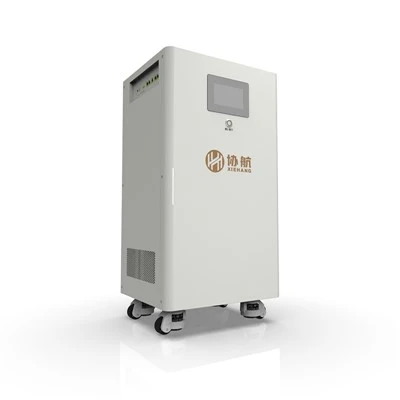
If you’re reading this and you’ve got questions about how your current devices would work with our storage, or you’re ready to upgrade your setup, just reach out to us. We’ll walk you through everything, no sales pitch, just honest answers. We’re here to help you build a system that fits your home, not the other way around.
All in One Home Energy Storage System References
- Energy Information Administration. (2024). Time-of-Use Pricing for Residential Electricity Customers.
- National Fire Protection Association. (2023). Home Energy Storage Safety Guidelines.
- Smart Energy International. (2024). Vehicle-to-Home (V2H) Adoption and Benefits.
- U.S. Department of Energy. (2023). Demand Response Programs for Residential Energy Storage.
- Consumer Technology Association. (2024). Smart Home Device Compatibility Standards.
Zhejiang Xiehang New Energy Equipment Co., Ltd.
As one of the most professional home energy storage manufacturers and suppliers in China, our products have good reputation in the market. Please erst assured to wholesale custom made home energy storage from our factory. If you have any enquiry about cooperation, please feel free to email us.
Address: No.5 Hechen Road, Zhouwangmiao Town, Haining, Jiaxing City, Zhejiang Province, China
E-mail: dan.wu@xiehang.net
WebSite: https://www.shineonpower.com/
