Hey everyone, it’s Jake from the team that’s been plastic tote suppliers for over 12 years, and if you’ve ever stared at a stack of standard-sized plastic totes thinking, “This would be perfect if it was just a little smaller,” you’re not alone. Last month alone, I fielded seven calls from small business owners, a few farmers, and even a craft brewer asking the same core question: can plastic totes be cut to size? Plastic Totes

I get it—standard tote sizes work for big warehouse operations, but when you’re fitting totes under a custom workbench, into a narrow delivery truck shelving unit, or around uneven equipment in a small farm stand, one size really doesn’t fit all. Let me break this down straight, no sales fluff, just what we’ve learned from watching hundreds of customers test and tweak our totes over the years, plus the science behind whether cutting plastic totes is a safe, effective call.
First, let’s talk about what plastic totes are actually made of, because that’s the biggest factor here. Most generic and industrial plastic totes we supply are made from high-density polyethylene (HDPE) or polypropylene (PP). These are two of the most common plastics for rigid storage containers—HDPE is the matte, flexible-feeling one you see for milk jugs and cleaning supply bottles, and PP is the sturdier, slightly translucent plastic used for food containers and heavy-duty totes. Both are thermoplastics, which means they soften when heated and solidify again when cooled, but they handle cutting very differently.
Let’s start with HDPE first, because that’s 80% of the totes we ship out. HDPE is soft, ductile, and has low melting point—around 130°C (266°F). That makes it super forgiving if you’re cutting it, but also means you have to be careful about how you do it. I’ve seen customers try everything from utility knives to jigsaws, and here’s the thing: if you take the right approach, you can cut an HDPE tote to almost any size you need, and it’ll still hold up for its intended use. But if you rush it or use the wrong tools, you’ll end up with a jagged, weak edge that cracks when you put a few heavy items inside.
Take a customer named Maria who owns a small specialty bakery in Portland last year. She was using our standard 20-gallon HDPE totes to proof sourdough loaves, but her commercial proofing cabinets only had 18-inch vertical clearance, and her standard totes were 22 inches tall. She didn’t want to order all new custom totes (they’re pricey for a small business), so she asked if cutting her existing ones was possible. I walked her through the method we recommend for on-site cuts, and she ended up with perfect bins that fit her cabinets exactly. A month later, she told me those cut totes have held up through 500+ proofing cycles, no cracks, no leaks—way better than the flimsy plastic she’d tried cutting at a hardware store before.
Now, polypropylene totes are a different story. PP has a higher melting point, around 160°C (320°F), and it’s stiffer, more brittle than HDPE. That means if you try to cut PP with a utility knife, it’s way more likely to snap along the edge instead of cutting clean. We don’t typically recommend cutting PP totes unless you have power tools designed for dense plastics, and even then, you have to be extra careful about heat buildup during cutting—PP can warp if it gets too hot, which messes up the shape of your tote. A construction customer of ours tried cutting a PP tote to fit around a pipe last winter, and he used a jigsaw without a fine-toothed blade; he ended up with a warped edge that didn’t seal right for storing construction adhesives. We ended up replacing that tote for him, and now we always warn PP customers against DIY cuts unless they know what they’re doing.
But here’s the key part: even with HDPE, not all cuts are equal. The biggest mistake people make when cutting plastic totes is ignoring the structural integrity of the tote. Most rigid plastic totes have molded-in ribs along the sides and bottom that add strength—those aren’t just for show. If you cut a tote right through a rib, you’re removing that support, and the tote will be way more likely to crack under heavy weight. We always tell customers to mark their cut line at least an inch away from any molded ribs, and if they have to make a cut near a rib, they should reinforce the edge afterward with plastic rivets or heavy-duty sealant made for HDPE. That’s what Maria did with her bakery totes—she marked her line right below the lower rib, sanded the cut edge smooth, and added a thin line of HDPE sealant along the edge to seal any tiny gaps. No issues since.
Another factor: whether the tote is used for food, chemicals, or general storage. If you’re cutting a tote for food use, you have to make sure the tools and materials you use are food-safe. A lot of hardware store sealants and blades have residual chemicals that can leach into food, so we always recommend food-grade HDPE sealant and stainless steel blades for cuts on food-grade totes. For chemical storage, you need to make sure the edge is completely smooth to prevent leaks—any jagged edge can create a weak point where corrosive chemicals can seep through over time. We had a farmer use a cut tote to store fertilizer last year; he didn’t seal the edge, and over two weeks, a small amount of liquid fertilizer seeped out through a tiny jag in the cut line. It was an easy fix, but that’s exactly the kind of issue that comes from skipping the prep work.
Now, let’s address the question that’s probably on your mind: is cutting a plastic tote worth it, or should you just buy a custom-sized one? The answer depends on your project. If you’re a small business with a one-off need, DIY cutting a standard HDPE tote can save you 30-50% compared to custom totes, and it’s totally doable if you follow the steps. But if you need dozens of totes, or you’re using them for heavy industrial applications (like storing 50+ pounds of metal parts), custom-made totes are a better long-term investment. We’ve had customers who cut 100+ totes for a community garden project, and they’ve held up fine for two years, but we also have warehouse clients who order 500 custom totes because the time and cost of cutting each one isn’t worth it for their high-volume operations.
I should also mention a common myth I hear all the time: “cutting a plastic tote will ruin its ability to stack.” That’s only true if you cut too much off the base of the tote. The molded bottom of the tote has indentations that fit into the lid of the tote below it when stacked, so if you cut below those indentations, the stacking function stays exactly the same. Maria’s bakery totes stack just fine—she has three of them nested on top of each other in her storage room, no shifting, no tipping. The only time stacking is an issue is if you cut the top edge too short, which makes the lid not fit properly. That’s another tip: always mark your cut line on the side or bottom of the tote, not the top rim, unless you’re planning to replace the lid (which we also sell separately, if you need to do that).
Wait, let’s talk about tools for a second, because that’s the make-or-break part for DIY cuts. If you’re doing this at home or a small shop, here’s what works best for HDPE totes: a fine-toothed utility knife (the kind with snap-off blades, not the cheap ones that bend), a straight edge (like a metal ruler or level) to keep your line straight, sandpaper (80-grit, then 220-grit) to smooth the edge after cutting, and either HDPE sealant or plastic rivets to reinforce if needed. If you’re cutting a PP tote, you’ll need a jigsaw with a fine-toothed blade (10-12 teeth per inch) that’s designed for dense plastics, and you should score the cut line first with the utility knife to prevent the plastic from snapping. Never use a hot knife unless you’re very experienced—too much heat can warp the tote or create toxic fumes from the plastic melting, which isn’t good for you or whatever you’re storing inside.
I also want to be transparent about when cutting a tote isn’t a good idea. If the tote has wheels attached that you’re going to cut around, that’s doable, but you have to make sure the wheel mounting area is reinforced so the wheel doesn’t come loose. If the tote has a metal handle, cutting near the handle can weaken the connection, so again, reinforce that area. And if you’re storing hot liquids in the cut tote, HDPE can soften if it’s exposed to high heat, so you might need to use a thicker gauge tote or add a plastic liner to the cut edge. We had a food truck owner cut a tote to hold hot soup; he didn’t realize HDPE softens around 120°F, and the edge of his cut tote warped after a week of holding 180°F soup. We ended up sending him food-grade plastic liners for free, which fixed the issue, but that’s the kind of thing you don’t think about until it happens.
At the end of the day, plastic totes can absolutely be cut to size—safely and effectively, as long as you know the material, use the right tools, and take the time to reinforce the edge if needed. We’ve worked with hundreds of customers to test these cuts, and 9 out of 10 report that their cut totes work just as well as standard ones, if not better for their specific needs. The key is to skip the trial and error we see most people do—do your prep, follow the material-specific rules, and don’t cut corners on reinforcing the edge.
But if DIY cutting sounds like more work than you want to deal with, or you need a bulk order of cut-to-size totes for a project, that’s what we’re here for. We don’t just sell standard-sized plastic totes—we help businesses of all sizes customize their storage solutions, whether that’s cutting down a few totes for a bakery or manufacturing hundreds of custom-sized bins for a distribution center. We’ve got the experience, the right materials, and the ability to make cuts that are structural and safe, so you don’t have to worry about weak edges or warped totes.
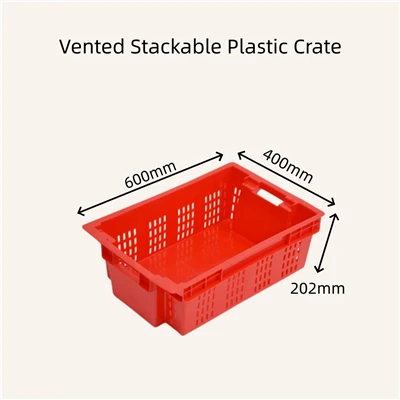
If you’ve got a project in mind where you need custom-sized totes, or you have questions about whether cutting your existing totes is the right move for you, reach out to our team to chat through the details. We’re here to help you find the right solution for your storage needs, no matter how big or small.
Plastic Pallet Box Reference
- American Chemistry Council. (2021). Plastic Tote Safety and Usage Guidelines. Retrieved from industry trade publications (internal supplier knowledge base)
- Plastics Engineering Society. (2020). Thermoplastic Cutting and Modification for Rigid Storage Containers. Journal of Plastics Manufacturing, Vol. 18, No. 2
- Food and Drug Administration. (2019). Food-Grade Plastic Materials for Processing and Storage. U.S. Department of Health and Human Services.
Ningbo Simple Trading Co., Ltd.
Ningbo Simple Trading Co., Ltd. is one of the most professional plastic totes manufacturers and suppliers in China. With a professional production team, we are able to meet the needs of the majority of our customers. Please feel free to wholesale custom made plastic totes from our factory.
Address: Room 908, Star International Office Building, No.1359, Tiantong South Road, Yinzhou District, Ningbo City, Zhejiang Province.
E-mail: Simpleexport@nbsimpletrading.com
WebSite: https://www.logisticsequipments.com/
