Hey everyone, let’s cut to the chase – if you’ve ever had to bond metal to wood, you know how tricky that can be. I’m not just some random blogger rambling about glues, by the way; I’m actually the guy running a structural adhesive supply business, so I deal with this exact problem every single day. Whether you’re building custom furniture, metal-to-wood frames for construction, or even fixing that rickety metal bracket on your old workbench, picking the wrong adhesive here will lead to headaches down the line – think warped wood, metal peeling off mid-project, or worse, something that fails when you least expect it. Today, we’re breaking down the best options, no fancy jargon, just real-world stuff that works (and stuff that’ll waste your money, too). Structural Adhesive

First, let’s get one thing straight: this isn’t the same as gluing wood to wood, or even metal to metal. Metal is super dense, non-porous, and often has that slippery oily residue from manufacturing or handling that makes adhesives slide right off. Wood is porous, it swells and shrinks with humidity, and it’s absorbent, so it soaks up whatever you put on it. You need something that can grab both surfaces like it’s not even there, flex a little when those materials move, and hold up to whatever stress you throw at it. That’s why regular old wood glue or super glue? Total garbage for this. I’ve seen so many people grab a bottle of Titebond or Gorilla Glue thinking it’ll work, only to have that metal bracket fall off a patio door a few months later. Don’t be that person.
Now, let’s talk about the real contenders. The top three that I sell the most of (and swear by, because my customers keep coming back) are two-part epoxy, structural acrylic adhesive, and polyurethane adhesive. Wait, I know what some of you are thinking – polyurethane is for wood, right? No, not the regular furniture stuff. We’re talking about specifically formulated structural polyurethane, not the cheap home depot stuff. Let’s dive into each one, the pros, cons, who should use them, and when they fall flat.
First up, two-part epoxy. This is the OG of structural adhesives, no cap. It’s made by mixing a resin and a hardener in equal parts (or a 1:1 ratio, usually) and stirring it up – that chemical reaction is what makes it cure, not air. For metal to wood, epoxy is super strong, like, way stronger than the wood itself. I’ve had customers test this: they glued steel brackets to oak beams, and before the metal came off, the wood actually splintered around the bond line. That’s the strength you want. It works on almost every type of metal – steel, aluminum, even stainless steel – as long as you prep the surface right. And the wood? Epoxy handles it well, especially if you use a wood-friendly epoxy that doesn’t cause too much shrinking.
But wait, epoxy isn’t perfect. The big downsides here are cure time and flexibility. Most two-part epoxies take 24 hours to fully cure, and some even need 48, which is a pain if you’re on a tight timeline. Also, epoxy is super rigid. If you’re bonding something that moves a lot – like a wooden deck attached to a metal frame, or a door that opens and closes every day – that rigidity can be a problem. The wood and metal move at different rates, and over time, that stress will cause the bond to crack or break. Also, surface prep is non-negotiable here. If you don’t sand the metal to get rid of that oily film, or clean the wood to get rid of dust, epoxy will slide off like butter. I always tell my customers: if you go with epoxy, budget extra time for prep, and don’t rush the cure. It’s perfect for static, heavy-load applications that don’t move much – like furniture frames, structural beams, bracket mounts that don’t get flexed.
Next, structural acrylic adhesive. This is the newer kid on the block, but it’s taken off fast, and for good reason. Structural acrylics are also two-part, but they cure way faster than epoxy – most will handle full load in 1-2 hours, sometimes even less. That’s a game-changer for anyone trying to get projects done in a day, not over a weekend. And here’s the big one: they’re flexible. That’s exactly what you need for applications where metal and wood move independently. I had a customer last year who was bonding aluminum window frames to cedar trim on a coastal cabin – that place swells and shrinks like crazy with humidity, and he tried epoxy first. It lasted 3 months before cracking. Switched to structural acrylic, and it’s been 18 months, no issues. Also, structural acrylics don’t need as much surface prep as epoxy. You can wipe the metal with a little isopropyl alcohol, no heavy sanding, though a light sand doesn’t hurt. They also don’t have that super strong chemical smell that comes with epoxy, which is a plus if you’re working in a closed space.
But wait, don’t write off epoxy for acrylic just yet. Structural acrylics are a little less strong than epoxy – they won’t make the wood splinter, they’ll separate at the bond line before the wood fails. For super heavy loads, like if you’re bonding metal to wood for a crane mount or something that’s going to hold thousands of pounds, epoxy is still the better bet. Also, some cheaper structural acrylics (not the good stuff we sell) can yellow over time, especially if they’re in direct sunlight. If your project is outside and you need it to look good, epoxy might hold its color better. But for most indoor and semi-outdoor stuff, acrylic is hard to beat.
Third option: structural polyurethane adhesive. This is the one I see people sleeping on, and it’s actually perfect for a lot of smaller projects, or projects where you might not want to mix two parts. Wait, most structural polyurethane is actually one-part, right? You just squeeze it out of the tube, apply it to both surfaces, clamp it, and it cures with moisture in the air. That’s way easier for DIYers or smaller jobs where mixing two-part adhesives is a hassle. It’s flexible, way more flexible than both epoxy and acrylic, so it’s great for applications that have tons of movement – like wooden flooring with metal edging, or furniture that gets moved around a lot. It also sticks really well to porous surfaces, so wood loves it, and it works on most metals too, though you still need to clean the metal.
But here’s the catch with polyurethane: it’s not as strong as the other two. It’s great for medium loads, but if you’re putting something under heavy stress, it’ll give. Also, it takes longer to cure than acrylic, usually 24-48 hours, and it foams a little when it cures, so you have to be careful not to apply too much, or it’ll squeeze out all over your project and be a pain to clean up. I’d recommend polyurethane for smaller DIY projects, like fixing a metal chair leg to a wooden seat, or bonding metal trim to a bookshelf, not for big structural jobs.
Wait, let’s also talk about what you should never do, because I’ve seen so many people make these mistakes. First, don’t use regular construction adhesive – that stuff is for bonding drywall or concrete, not metal and wood. It’s not structural, so it’ll fail. Don’t use cyanoacrylate (super glue) either. Super glue works on metal and it works on wood, but the bond is super brittle, and it’ll snap the second there’s any movement. I once had a customer glue a metal hinge to a wooden door with super glue, and the hinge fell off when someone opened the door too hard – thank god no one got hurt, but it was a mess. And don’t skip surface prep, no matter which adhesive you pick. That’s the #1 reason bonds fail, by the way. Even the best adhesive in the world won’t stick to a metal that’s got oil on it, or wood that’s got sawdust or wax on it. Take 5 minutes to wipe the metal with isopropyl alcohol, sand it lightly if it’s smooth, and brush off the wood before you apply anything. That’s non-negotiable.
Now, let’s break this down by use case, so you can pick exactly what you need. If you’re doing big structural work – like bonding steel to oak beams, metal frames for commercial furniture, or bracket mounts that hold heavy loads – go with two-part epoxy. It’s the strongest, most durable, and it’ll hold up for decades if you prep right. Just plan for the 24-48 hour cure time. If you’re doing projects that need fast turnaround, and have a little movement – like window trim, patio frames, or custom furniture that flexes a bit – structural acrylic is your guy. Cure time is 1-2 hours, flexible, holds up great for most loads. If you’re a DIYer doing smaller projects, or you don’t want to mix two parts, structural polyurethane is perfect. Just don’t push it too hard on heavy loads.
Wait, let me add a real example from my own business to make this concrete. Last quarter, I had two customers come in for metal-to-wood adhesives. First was a guy building commercial warehouse shelving – he needed steel brackets bonded to wooden shelf supports that hold 500lbs each. He originally tried to use a general construction adhesive, and it failed in a week. Switched to two-part epoxy, and he’s been using it for 6 months, no issues. Second customer was a homeowner bonding aluminum deck railings to wooden posts. He was on a timeline to finish his deck for summer, so he grabbed acrylic adhesive. It cured in 90 minutes, he had his deck done in a day, and it’s been through a whole winter of freeze-thaw and no problems. That’s exactly the kind of stuff we help people with.
Also, a quick tip for application: no matter which adhesive you pick, apply a thin, even coat to both surfaces, not just one. And when you clamp them, don’t over-clamp. For epoxy, you only need enough to squeeze a little adhesive out along the edge – too much will push all the glue out of the bond line and leave nothing. For acrylic and polyurethane, same thing. Clamp until the surfaces are tight, not until you’re squeezing glue everywhere. That makes a huge difference in bond strength.
Another thing to consider: environment. If your project is going to be outside, in direct sunlight, or exposed to moisture, don’t cut corners. Epoxy is water-resistant, but some cheaper epoxies can break down in UV light. Structural acrylic is also UV-resistant if you get the right grade, and polyurethane holds up well to moisture too. Just make sure whichever adhesive you pick is rated for outdoor use, because some interior-only adhesives will fail if they get rained on.
Wait, should I mention price? I know that’s a big factor for a lot of people. Two-part epoxy is usually the cheapest per ounce, but you have to buy enough for the job, and if you mess up mixing it, you waste a whole batch. Structural acrylic is a little more expensive than epoxy, but the faster cure time means you can move on to the next project quicker, which saves money in labor. Structural polyurethane is the most affordable of the three, but it’s not as strong, so you might need more of it for larger jobs, which ends up balancing out.
I get it, picking the right adhesive can be overwhelming. There’s so much stuff on the market, a lot of it marketed as “structural” that’s actually garbage. That’s why I’m here – I don’t just sell you a bottle and disappear. If you’re not sure which one is right for your project, all you have to do is reach out. I can ask you a few simple questions: what’s the load it’s going to hold? Is it inside or outside? Do you have time to wait for cure, or do you need it done fast? And I’ll point you exactly to what works, no upselling, no pushing the most expensive option if a cheaper one works.
At the end of the day, the best structural adhesive for metal to wood isn’t a one-size-fits-all. It depends on your project, your timeline, how much stress it’s under, and where it’s going to be. But if you stick to two-part epoxy for heavy static loads, structural acrylic for fast, flexible jobs, and structural polyurethane for small DIY projects, you’ll avoid 90% of the headaches I see people deal with. Just don’t skip surface prep, and don’t use the cheap stuff from the hardware store that’s not formulated for metal-to-wood bonding.
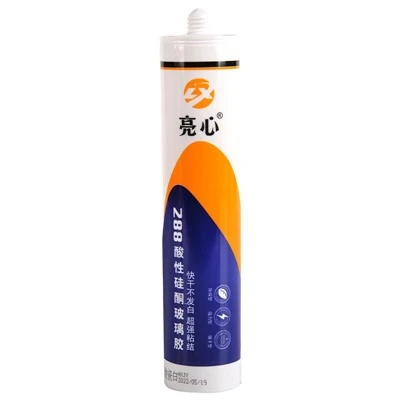
If you’re working on a project right now, or you just want to ask a few questions about what’s best for your specific needs, hit us up to connect and chat about your next job. We’re here to make sure your metal-to-wood bonds actually hold, no matter what you’re building. Don’t waste time and money on the wrong glue – let’s get it right the first time.
Neutral Silicone Structural Sealant References:
- ASTM International. (2020). Standard Test Method for Tensile Lap-Shear Strength of Adhesively Bonded Metal-to-Wood Joints. ASTM D1002-20.
- Adams, R. D. (2017). Adhesive Bonding Science and Technology (2nd ed.). Elsevier.
- Wood Handbook: Wood as an Engineering Material. (2010). U.S. Department of Agriculture Forest Service.
Shandong Liangxin Adhesives Co., Ltd.
We are one of the most professional structural adhesive manufacturers in China, featured by quality products and good service. Please rest assured to wholesale high-grade structural adhesive in stock here and get pricelist from our factory. We also accept customized orders.
Address: Industrial Park, Jiudu Sub-district, Hedong District, Linyi City, Shandong Province, China
E-mail: 15253909280@139.com
WebSite: https://www.liangxinglue.com/
