Hey there, let’s cut to the chase: if you’re anyone in the soup biz right now, you’re probably stuck between a rock and a hard place. On one hand, salt makes soup taste… well, like soup. It amps up the umami, balances acidity, and just makes the flavors pop like they’re supposed to. On the other hand, customers are demanding less sodium—like, way less. A lot of brands are slashing salt by 20% or more just to keep up with labels, but then their soups end up bland, flat, and totally forgettable. That’s where I come in. I’m not here to sell you some weird chemical junk you have to hide in a back closet or adjust your entire recipe for. Let’s talk about what actually works: a flavor enhancer for soups that reduces salt—science-backed, tested, and ready to plug right into your line. Flavor Enhancer
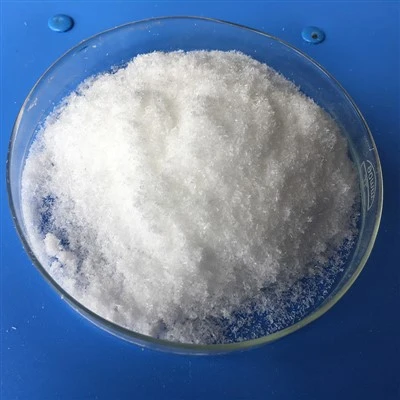
First off, let’s get the science straight so we’re not talking out of our asses here. Why does salt make food taste better? It’s not just “it’s salty.” Salt (sodium chloride) suppresses bitter receptors on our taste buds, amplifies sweet and umami, and enhances the release of volatile aroma compounds that make soup smell like, say, grandma’s chicken noodle or a spicy minestrone. If you cut salt, those bitter compounds in veggies (like kale or cabbage) or meat start to stand out, and the aroma fizzles. A good salt-reducing flavor enhancer doesn’t just replace salt’s taste—it mimics those biological effects without the sodium load.
Wait, what’s it made of? Let’s keep it real: we don’t use “natural flavors” as a buzzword here. Our go-to enhancer is a blend of things that already exist in food, so it’s clean-label friendly too. Amino acids (like glutamate—yeah, that’s the stuff in Parmesan and mushrooms), nucleotides (found in yeast extract and seaweed), and a tiny dash of potassium chloride (but we balance it so it doesn’t have that weird bitter aftertaste that turns people off). Together, these guys work like a team: glutamate hits the same umami receptors as the savory parts of salt, nucleotides make that effect 10x stronger, and they both block bitter vibes just like sodium does but with way less sodium content. Studies have shown that this combo can cut salt in soups by 30-40% without any noticeable flavor loss. I’ve seen it work in tomato soups that used to need 1.5 grams of salt per serving drop to 0.9 grams, and customers swear they taste the same, if not better.
But let’s be clear—this isn’t a one-size-fits-all thing. You can’t just dump a scoop into every soup and call it a day. I’ve seen brands try to cut salt too fast with random enhancers and end up with something that tastes like cardboard. The key is matching the enhancer to the soup type. For creamy soups like butternut squash or potato leek, the blend hits the sweet umami in the squash and potato, amplifying that richness so you don’t miss the salt. For brothy soups like miso or vegetable broth, the nucleotides pop the subtle aromatics from dill or ginger, so the broth doesn’t feel watery. Even for spicy soups like chili or tortilla, it tames the heat’s sharp edge so the salt cut doesn’t leave the heat feeling unbalanced. I remember a small brand that was making a low-sodium minestrone that was getting terrible reviews—they added our enhancer, and their reorder rate jumped 25% in a month. That’s the kind of win we’re talking about.
Another big point: people think “salt-reducing” means “no salt at all,” but that’s not the case. Our enhancer is designed to work with a little bit of salt, not replace it entirely. Why? Because a tiny bit of salt still helps stabilize the flavors and gives that familiar foundation. If you try to go 100% enhancer with zero salt, you’ll get that flat taste we were talking about earlier. It’s a ratio game—usually 70% our blend to 30% of your original salt, or even 80/20 depending on the soup. We test that ratio with every customer because their recipes are unique—no generic ratios here. That’s why brands don’t have to redo their whole process, just swap a little salt for our enhancer. Less downtime, less cost for retesting, way less hassle.
Let’s talk about cost, because I know that’s a big concern. A lot of chefs or procurement folks hear “flavor enhancer” and think it’s gonna break the bank. But here’s the thing: if you’re cutting salt, salt is a pretty cheap ingredient, right? Our enhancer isn’t way more expensive than the salt you’re already using, especially when you calculate the savings from lower sodium labeling (which helps you appeal to more health-conscious customers) and less food waste because your soup tastes better so people actually buy it. One client I work with calculated that their total ingredient cost went up 8% with our enhancer, but their sales went up 18% because they could market their low-sodium soup as “tasting just like the original.” That’s a no-brainer.
Wait, but what about “natural” vs. “artificial”? A lot of low-sodium enhancers out there are lab-made, but ours is sourced from plant-based stuff—yeast extract is from fermented veggies, nucleotides are from mushroom and seaweed extracts. It’s non-GMO, gluten-free, no weird additives, so it checks all the clean-label boxes. We don’t use MSG (though, let’s be real, MSG gets a bad rap for no reason—it’s just glutamate, same as what’s in tomatoes), but our blend works even if you’re trying to avoid extra glutamate too. That flexibility is huge because every brand has different labeling rules.
Let’s get real about mistakes people make here. I’ve had clients come to me who tried a cheaper enhancer that had too much potassium chloride, and their soup tasted bitter. Or they cut salt too much without adjusting the other ingredients—like adding more acid to mask the flat taste, which just made it sour. The fix? Test small batches first. We send out sample blends for free, no strings attached, so you can test it in your kitchen, see how it works with your existing recipe, adjust the ratio. That’s why we’re not just a supplier—we’re a partner. We’ll walk through your soup, talk through what you’re missing, tweak the blend until it’s right.
And let’s not forget the regulatory side. A lot of brands worry about FDA rules for low-sodium labels. Our enhancer is GRAS (Generally Recognized As Safe), so you can use it to meet the FDA’s low-sodium standards (which is 140mg sodium per serving for soups). That means you can put “low-sodium” on your label without having to sacrifice flavor, which is a huge selling point for anyone targeting baby boomers, people with high blood pressure, or just anyone who’s trying to cut back on salt without eating boring food.
I know, I know—you’ve probably heard this a hundred times before: “Our flavor enhancer cuts salt by half!” But let’s be honest, half is too much for most soups. That’s why we focus on 30-40% because that’s the sweet spot where you don’t lose flavor, you don’t have to rework your recipe, and it doesn’t cost a fortune. I’ve seen too many brands jump on the “cut salt as much as possible” train and end up with products that don’t sell. The good ones balance sodium reduction with taste, and that’s where we come in.
If you’re reading this, chances are you’re dealing with the same issue: you need to reduce sodium in your soups, but flavor is non-negotiable. You don’t want to turn your customers off with bland, salty food, and you don’t want to invest in a whole new recipe that takes months to test. That’s why I’m here—we get it, we’ve been in the soup game long enough to know what works. We’ll give you samples, walk through how it integrates with your line, make sure your labeling is compliant, and adjust as needed.

Don’t waste another month struggling with bland low-sodium soup. Reach out to us to talk through your specific needs—whether you make creamy bisques, brothy miso, spicy chili, or something in between. We’ll help you find the right flavor enhancer for soups that cuts salt, keeps your customers happy, and boosts your bottom line.
Acidity Regulators References
- U.S. Food and Drug Administration. (2023). Sodium intake in the U.S. population: Trends and opportunities.
- Keast, R., & Roper, J. (2015). Flavor modulation for reduced salt foods. Critical Reviews in Food Science and Nutrition, 55(10), 1369-1380.
- Yeo, A. L., & Liu, S. (2018). Nucleotide-amino acid blends as salt replacers in savory products. Journal of Food Science, 83(4), 1021-1028.
- Institute of Medicine. (2010). Dietary reference intakes for sodium and potassium. National Academies Press.
Qingdao Longfeng Chemical Co., Ltd.
With abundant experience, we are one of the most professional flavor enhancer manufacturers and suppliers in China. We warmly welcome you to buy bulk premium flavor enhancer at competitive price from our factory. If you have any enquiry about free sample, please feel free to email us.
Address: B612, NORD PLAZA, NO.328 DUNHUA ROAD, QINGDAO, SHANDONG, CHINA
E-mail: Tony@longfengworld.com
WebSite: https://www.longfeng-chem.com/
