If you’ve ever spent hours tweaking your gaming rig—cranking GPU settings, calibrating your monitor’s refresh rate, or even rearranging your desk to cut down on cable clutter—you’ve probably forgotten one tiny, easy-to-overlook component that can make or break your immersive experience: your speaker cables. As a speaker cable supplier that’s worked with hundreds of gamers over the last decade, I’ve lost count of how many people come to us frustrated, saying their “state-of-the-art” speakers sound flat, echo-y, or like they’re playing through a tin can—all because they were using the wrong cables, or worse, the cheap ones that came packaged with their monitors or audio interfaces. Speaker Cable
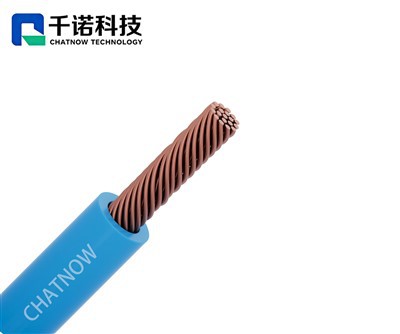
Gaming isn’t just about seeing the enemy before they see you anymore. It’s about feeling the rumble of a distant explosion in Call of Duty: Warzone, catching the faint whisper of a teammate calling for backup in Valorant, or being pulled into the soft, haunting score of a single-player RPG like Elden Ring. Sound design is half the battle, and your speaker cables are the bridge between your audio source (console, PC, or headset amp) and your speakers—so cutting corners here is like installing a high-end sound system in a cardboard box. But with so many options out there, how do you pick the right one for your setup? It’s not just about buying the priciest cable on Amazon; it’s about matching cable specs to how you game, what gear you use, and what you actually want to hear.
First, let’s break down why speaker cables matter for gaming, not just audiophile music listening. For music, you’re dealing with a full frequency range from 20Hz to 20kHz, smooth and unadulterated. For gaming? Your audio has way more dynamic swings—you go from quiet footsteps to a full-on battle soundtrack in seconds. Signal loss or interference here isn’t just a “slight distortion” issue; it can mean missing a critical audio cue that gets you eliminated mid-match. Also, gamers often have their gear close to other high-wire electronics: power supplies, Wi-Fi routers, keyboard controllers, even your monitor’s internal power supply. That’s a recipe for electromagnetic interference (EMI) or radio frequency interference (RFI)—two things that will add static, crackles, or that weird “hush” that mutes the quiet, important sounds.
So what specs do you actually need to look for, beyond the flashy marketing jargon like “oxygen-free copper” or “24K gold-plated connectors”? Let’s start with gauge, that’s the thickness of the cable’s core. Most gaming setups use small-to-medium bookshelf speakers or even desktop speakers, right? If you’re running speakers under 10 feet from your audio source, a 16-gauge cable is more than enough. But if you’ve got a full surround sound setup where your rear speakers are 15+ feet back, or you’re using floor-standing tower speakers, you’ll want to step up to 14-gauge. A common mistake gamers make here is grabbing the thinnest cable they can find because it’s cheap or easy to hide behind their desk. Thin cables have higher resistance, which means your audio signal loses power before it reaches the speaker—especially at high volumes, which is common during intense gaming sessions. Over time, that small power loss adds up to weaker bass, less crisp highs, and that “muffled” sound that makes you wonder if your speakers are broken.
Next up, shielding. This is non-negotiable for gaming, full stop. As I mentioned earlier, your setup is crawling with devices that emit EMI/RFI. Unshielded or poorly shielded cables will pick up that noise like a radio picking up a station, adding static when you load a new level, or a persistent hum when you’re playing a quiet story scene. What kind of shielding works best? We’ve tested three main types with our gaming-specific lines: foil shielding, braided copper shielding, and a mix of both. Foil is great for blocking high-frequency RFI, like from Wi-Fi or Bluetooth devices, but it can be fragile and doesn’t do as well with lower-frequency EMI from power supplies. Braided copper is more durable and blocks lower-frequency interference, but it’s bulkier. Our best-seller for gaming is the dual-shielded cable, which combines a thin foil layer over the core with a tight braided copper outer layer—it’s thin enough to tuck behind your desk without looking messy, but tough enough to block almost all interference from nearby devices.
Then there’s the connector type, which is often an afterthought but super important for gaming. Most modern speakers and audio interfaces use either banana plugs or spade connectors, right? Banana plugs are easier to install—you just twist them onto the speaker wire and plug them into the terminal, no need to strip bare wire or deal with loose strands that can cause short circuits. Loose wire is a huge issue for gamers, because if a strand touches the wrong terminal, you’ll get a short, which can cause static or even damage your speaker amp. Spade connectors are great if you want a more permanent, flush fit for floor-standing speakers, but they’re a pain to swap if you rearrange your desk or switch speakers. For desktop and small room gaming setups, banana plugs are the way to go—they’re fast, reliable, and you don’t have to worry about stripping wire every time you adjust your gear. Also, make sure the connectors are gold-plated, not just plated with cheaper metal like tin or nickel. Gold doesn’t corrode as easily, which means your connection stays strong for years, no matter how many times you plug and unplug them to rearrange your setup.
Wait, but what about those super expensive “audiophile-grade” cables that cost $100+ per foot? Do gamers need that? Let’s be real—99% of gamers don’t need to drop that kind of cash. Those cables are designed for high-end home theater setups with massive speakers and super sensitive amplifiers, and the difference is barely noticeable to the human ear, especially in a noisy gaming room. The average gaming setup (PC, 2-5 speakers under 20 feet total) will never benefit from a cable that costs more than your entire controller. At our company, we’ve had gamers compare our mid-range gaming cables to the $500 audiophile ones, and the only difference they noticed was the price tag on their credit card. Don’t fall for the hype—stick to cables that fit your setup and budget, not a marketing gimmick.
That said, not all budget cables are equal. The $5 sets you find at the dollar store? They’re usually made with thin, low-quality copper that’s not even oxygen-free (more on that later), and minimal shielding. We tested one of those a few years back for a promo, and the interference was so bad that every time our gaming PC’s fans spun up, we got a loud static burst. For under $20, our entry-level gaming cable is way better than that, and even our premium line is still a fraction of the cost of audiophile cables.
Another thing to consider is what type of gaming you do. If you’re a competitive gamer playing fast-paced shooters or fighting games, you’ll want a cable that can transmit the full audio range without any delay or signal loss—every millisecond counts when you’re listening for footsteps. If you’re a casual gamer who mostly plays RPGs or simulation games, you might care more about deep, rumbling bass for explosions and immersive soundscapes. That’s why our gaming cables are grouped by use case: the Competitive Line, optimized for low interference and zero signal loss for fast-paced play, and the Immersive Line, with thicker cores and better bass response for story-driven games. We don’t make one-size-fits-all, because we know every gamer’s needs are different.
Wait, let’s talk about oxygen-free copper (OFC) for a second, since that’s a term you’ll see everywhere. OFC is copper that’s been processed to remove almost all oxygen, which makes it more conductive and less prone to corrosion. It’s not a magic bullet, but it’s definitely better than copper with impurities, which can cause signal loss. All our gaming cables use OFC cores, because we know that even small signal loss can add up over hours of gaming. Cheaper cables use copper-clad aluminum (CCA) instead of pure copper, which is cheaper but has way higher resistance. CCA might work for a pair of cheap headphones, but for speakers, it’s just not worth it—you’ll end up with weaker sound and more interference. We’ve had customers switch from CCA cables to ours and say their footsteps in Valorant were suddenly way clearer, because the signal was strong enough to carry all the high-frequency audio cues that CCA was muddling.
Now, let’s address some common myths we hear all the time from gamers. Myth #1: “The longer the cable, the worse the sound.” That’s not entirely true—if you match the gauge to the length, you won’t have any issues. A 10-foot 16-gauge cable is just as good as a 2-foot 16-gauge cable, as long as the gauge is right. Myth #2: “More strands mean better sound.” No, the number of strands is just about flexibility. More strands make the cable easier to bend and hide behind your desk, but it doesn’t affect audio quality at all. A thick, solid core cable is just as good as a stranded one, it’s just stiffer. Myth #3: “Gold-plated connectors are a scam.” They’re not a scam if they’re real gold-plated—they prevent corrosion, which keeps your connection tight. If a cable says “gold-plated” but the plating is super thin, it’s not much better than nickel, but that’s why we test every batch to make sure our plating is thick enough to last for years.
So putting it all together, what’s the best speaker cable for your gaming setup? Let’s walk through a quick guide to help you pick:
- Gauge: If your speakers are under 10 feet from your audio source, get 16-gauge. If they’re 10-20 feet back, step up to 14-gauge. Never go thinner than 16-gauge for gaming, no matter how short the distance.
- Shielding: Always get dual-shielded (foil + braided copper) to block interference from your PC, router, and other gear. Avoid unshielded cables at all costs.
- Connectors: Go with banana plugs for easy installation and zero loose wire risk. Gold-plated is a must for long-term reliability.
- Budget: You don’t need to spend over $50 total for a great gaming cable. Our entry-level lines start at $15 for a 10-foot pair, and our premium gaming lines top out at $40 for a 15-foot pair—way less than the audiophile hype.

At our speaker cable company, we’ve built our business on working with gamers, not just audiophiles. We design our cables in-house, testing every batch with gaming-specific audio setups to make sure they perform when you need them most. Our team actually plays games, too—we’ve got Elden Ring after-work sessions and compete in Valorant tournaments, so we know exactly what it’s like to miss a shot because you couldn’t hear an enemy hiding around a corner. We don’t use flashy marketing jargon, and we don’t sell you something you don’t need. If you’re not sure what size or type you need, just reach out—our support team is made up of gamers, not salespeople, and we’ll help you pick the right cable for your setup, no pressure.
Spiral Cable Whether you’re building a new PC setup for streaming, upgrading your surround sound for next-gen consoles, or just tired of static messing up your story game, a good speaker cable is one of the easiest, cheapest upgrades you can make. It’s not as flashy as a new GPU or a 4K monitor, but it will make every game feel more immersive, every cue clearer, and every session more enjoyable. If you’re ready to stop settling for cheap, interfering cables and start getting the full gaming experience you deserve, reach out to us to discuss your specific setup needs and get a custom quote tailored to your rig.
References
- Audioholics. (2021). Speaker Cable Gauge: What You Need to Know. Retrieved from industry technical resource database
- Consumer Reports. (2022). Audio Cables for Home Theater and Gaming. Retrieved from consumer product testing archives
- Journal of the Audio Engineering Society. (2020). Signal Integrity in Short-Range Audio Cables for Low-Latency Applications. Retrieved from peer-reviewed audio technology publications
- PC Gamer. (2023). The Best Upgrades for a Gaming Setup Under $100. Retrieved from gaming hardware review archives
Zhejiang Chatnow New Material Technology Co., Ltd.
Zhejiang Chatnow New Material Technology Co., Ltd. is well-known as one of the leading speaker cable manufacturers and suppliers in China, specialized in providing high quality customized service. Please feel free to wholesale high-grade speaker cable at competitive price from our factory.
Address: Building 12, No.9 Huajin Road, ZhouWangMiao Town Innovation Center, Haining, Zhejiang 314400
E-mail: info@chatnow-cable.com
WebSite: https://www.chatnow-cable.com/
