Hey everyone, let’s cut to the chase—if you’re a homeowner, a bar owner, or even just someone who loves cooking with soy sauce, you’ve probably spilled a drop or ten on a wooden table, cutting board, or even a floor. And if you’re asking, “Does soy sauce stain wood?” that’s exactly why I’m here. I’ve been in the soy sauce game for over 15 years, running our small-batch sauce supplier, and I’ve fielded this question a hundred times from folks who use our product in their kitchens. Spoiler: it’s not a simple yes or no. Let’s break this down like we’re chatting over a grill with a cold drink, no stuffy lab jargon—promise. Soy Sauce
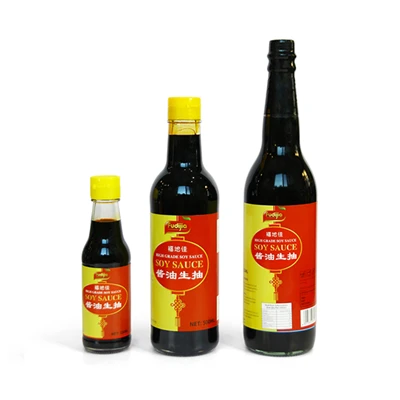
First, let’s talk about what soy sauce even is, because that’s the root of the whole staining thing. Most people know it’s made from soybeans, wheat, salt, and mold enzymes (think koji, not some weird science experiment), right? But here’s the part that matters for wood: the pigments, salt, and acid content. Dark soy sauce, which is the stuff you grab for glazes and marinades, has way more caramelized sugars and deep brown melanoidins from the fermentation and aging process. That’s the dark color that sticks—kinda like how a dark cola will stain a white t-shirt way worse than a clear lemonade. Light soy sauce is lighter, more salty, less pigment, so it’s way less likely to leave a mark. Got that? Not all soy sauce is created equal, so your spill’s stain potential depends on which bottle you grabbed.
Now, wood itself. This is where it gets interesting because not all wood reacts the same. A soft, porous wood like pine or bamboo? That’s basically a sponge. If you spill soy sauce on it, those dark molecules sink right into the tiny gaps, and if you don’t wipe it up fast, they’ll set. A harder, tighter wood like maple or teak? Way less porous, so the stain is more likely to be on the surface, which is easier to fix. The finish on the wood matters too—big time. If your cutting board has a food-grade oil finish, like mineral oil or beeswax, that creates a barrier. Wipe up a spill within 10 minutes, and you’re golden. But if the finish is worn, scratched, or just plain old unsealed wood? That’s when the trouble starts. Scratches are like little superhighways for soy sauce to seep in deep. I’ve seen a customer post a pic online of their favorite wooden table with a streak from a soy sauce spill right along a scratch they got moving a chair. Total gut punch, I get it.
Wait, let’s test this with a real example from our supply side. Last year, we had a local sushi bar as a client—they use 50 gallons of our dark soy sauce a month for their dishes. They texted me panicking because a line cook spilled a full half-gallon jug on their new wooden bar top. They thought they’d have to refinish the whole thing, but I told them what to do: grab a dry microfiber cloth, wipe immediately, then scrub a little with a paste of baking soda and water, then rinse and re-oil the spot. A week later, they texted back saying the stain was almost gone. That’s the difference between acting fast and letting it sit. If they’d left that spill for hours, it would’ve soaked into the unsealed wood and been permanent.
Now, why does soy sauce leave a stain when it does? Let’s keep it simple chemistry: the melanoidins in dark soy sauce are large, non-polar molecules. They don’t mix with water, so once they’re in the wood, they don’t just wipe away. The salt in soy sauce actually helps the molecules penetrate the wood too—salt draws moisture out of the wood’s cells, which pulls the pigments in with it. And if the wood has any tannins (like oak or walnut do), the acid in soy sauce will react with those tannins to make an even darker mark. Ever notice a wood piece with a tiny dark spot that looks like a coffee stain? Same idea, just soy sauce instead.
What about myths I’ve heard? A lot of people say “vinegar will remove soy sauce stains” but wait—vinegar is acid, and if your wood finish is oil-based, vinegar can actually break down the finish and make the stain worse. I learned that the hard way a few years back when I spilled soy sauce on my own kitchen table, grabbed white vinegar, and rubbed it in. The spot ended up lighter but cloudy, so I had to re-sand and re-oil that whole section. Total rookie move, don’t do that. The best fixes are gentle: baking soda paste, hydrogen peroxide (for light-colored woods only, it’s a bleaching agent), or even a little extra soy sauce? Wait, no, don’t do that—just kidding. Stick to the gentle stuff.
Now, for our supplier side, we make sure our customers know this stuff. We don’t just ship bottles of soy sauce and dip—we send little notes with each bulk order that say “wipe spills immediately, watch for worn finishes.” A few of our regulars, like that sushi bar, even switch to food-grade sealed wood for their prep areas now, just to avoid the headache. It’s a two-way street, right? We make the sauce, we want people to use it without ruining their stuff.
Wait, let’s talk about how to prevent stains in the first place. If you have wooden surfaces, even if it’s just a cheap cutting board, here’s what works: seal it every 3-6 months with mineral oil or wood wax. Wipe any spill within 5 minutes—seriously, set a timer if you’re cooking and can’t get to it right away. For high-traffic areas like tables or bar tops, get a table runner or placemats. I’ve even seen people put a small wooden tray out for soy sauce bottles at parties, so spills stay contained in one spot. That’s a smart move.
What if you already have a stain? Don’t panic. First, figure out your wood: light or dark? If it’s light, mix a little 3% hydrogen peroxide (the kind you get at a drugstore) with a drop of dish soap, dab it on the stain with a cloth, let it sit for 10 minutes, wipe, and repeat. If it’s dark wood, stick to baking soda paste: mix baking soda and a tiny bit of water to make a thick paste, rub it into the stain with a soft cloth, let it dry, wipe off. If that doesn’t work, you can sand the top layer super lightly (with fine-grit sandpaper) and re-oil. It’s not as scary as it sounds—we’ve helped a dozen small cafe owners fix their wooden surfaces this way.
As for why I know all this? I’ve been around soy sauce for 17 years—started helping my dad in our family’s small fermenting facility in Vermont, then expanded to our own line that’s all natural, no preservatives, no weird additives. We source non-GMO soybeans from local farms, ferment it for 6 months, not the 30 days a lot of big brands use. That slow fermentation means our dark soy sauce has a richer color, so when it does spill, it’s more noticeable—but it also tastes better, right? It’s a trade-off, but worth it.
I get why people ask this question. Wood is expensive, whether it’s a cutting board you love or a table you’ve had for years. Spilling a bunch of soy sauce on it feels like a disaster. But it’s not—most of the time, it’s fixable, especially if you act fast. The key thing to remember is: soy sauce stains wood only if the wood is porous, the finish is worn, or you leave the spill sitting. If your wood is sealed, you’re good to go for most small spills.
Now, for all the folks out there who are still worried about spills—we’re here to help. Whether you’re a home cook with a 1-gallon jug of our soy sauce, or a restaurant owner looking to stock up for your whole kitchen, we don’t just sell sauce. We’ve got tips, tricks, and even bulk options for businesses that want to keep their wooden surfaces safe. If you’re tired of stressing about soy sauce stains ruining your wood, reach out to our team. We’ll chat through your setup, send over free samples if you want to test our sauce, and help you figure out the best way to use our product without the headache.

No stuffy sales pitch, just real advice from someone who’s been in the soy sauce game way longer than I care to admit. Spills happen, that’s part of cooking, part of using great sauce. The last thing we want is for you to throw out a wooden cutting board or refinish a table because you spilled a little of our sauce. So go ahead, grab that bottle of soy sauce, whip up your favorite stir-fry, and don’t panic if a drop goes where it shouldn’t. You’ve got this, and we’ve got your back.
Steamed Fish Soy Sauce References:
- American Wood Council. (2022). Wood Porosity and Surface Finishes: Care and Maintenance Guidelines.
- Journal of Food Science. (2019). Soy Sauce Components and Their Interaction with Porous Surfaces.
- Food and Drug Administration. (2021). Food-Grade Wood Finishes for Commercial Kitchens.
- University of California Agriculture and Natural Resources. (2020). Removing Common Food Stains from Wood Surfaces.
Fudijia (Tianjin) Supply Chain Co., Ltd.
As one of the most professional soy sauce manufacturers and suppliers in China, we’re featured by quality products and low price. Please rest assured to wholesale bulk soy sauce made in China here from our factory. For pricelist, contact us now.
Address: Room 1602, MSD-G1, TEDA , Binhai New Area, Tianjin, China, 300457
E-mail: condiment@hjlfoods.com
WebSite: https://www.icondiments.com/
