If you’ve ever stood by a garden water feature that felt just “there”—nice enough, but nothing that made you pause, lean in, or take a photo—you know the difference between a water feature and a true focal point. As a supplier of water feature stones, I’ll let you in on a secret: the best focal points aren’t about fancy fountains or expensive pumps. They’re about thoughtful stone selection, placement, and small, intentional details that turn a basic water element into the heart of your outdoor space. I’ve spent 12 years sourcing and working with water feature stones for homeowners, landscape designers, and small business owners, and today I’m breaking down exactly how to use these stones to create a focal point that draws the eye, sparks conversation, and feels like it belongs in your space (not just added on). Let’s dive in. Water Feature Stones
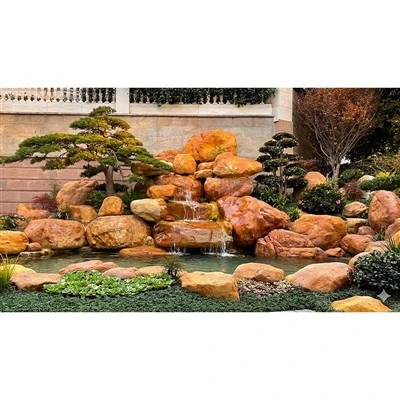
First, you have to start with your space—no two yards or patios are the same, so your focal point can’t be one-size-fits-all. I see so many clients pick a giant boulder because it looks impressive in our warehouse, only to get it home and realize it towers over their tiny balcony or gets lost next to a sprawling oak tree. The key here is scale: your water feature stone focal point should balance with its surroundings, not overpower or disappear. For small spaces (think a 6ft balcony patio or a compact city garden), opt for a 12–18 inch statement boulder. These stones are heavy enough to feel substantial, but not so large that they crowd your table, seating, or other plants. They fit perfectly in a small recirculating basin too—no need for a huge excavation. For medium spaces, like a suburban front yard or a side yard with 20ft of space to spare, go for a 2–3 foot focal stone, paired with 4–6 smaller accent stones tucked around it. And for large, open yards or commercial properties (like a restaurant patio or office courtyard), you can work with 4–5 foot monoliths, or even a cluster of large statement stones, as long as you leave space around them for people to approach and view from different angles.
Pro tip: When selecting stones, always consider sightlines. Most people will view your water feature from standing height, not kneeling down, so hold a stone at eye level in the spot you’re planning to put it. If it feels too small or too big from that angle, adjust. I once had a client who bought a 3ft boulder for her front walkway; when we held it up at eye level, it looked perfectly proportional next to her front door, but when we installed it, it got lost behind the entry bench we’d put there. We moved the bench a foot over, and suddenly the stone became the first thing people saw when they walked up.
Next, shape and texture matter more than you might think. Smooth, rounded river stones feel soft and calm, perfect for a tranquil garden, while rough, jagged mountain stones add a wild, natural look that works for rustic or modern spaces. For focal points, mix shapes and textures to add visual interest, but don’t overdo it—too many different textures will look cluttered. If you’re going for a modern, minimalist vibe, stick to one or two stone types: maybe a single large, smooth monolith paired with a few smaller, flat slate accent stones. The contrast between the sleek boulder and the thin slate creates a clean, intentional look that draws the eye straight to the main stone. If you prefer a more natural, woodland feel, mix rough, craggy river rocks with a few rounded cobbles, but keep the color palette consistent. Avoid bright, neon-colored stones unless that’s a deliberate look for a tropical or themed space—most traditional yards work best with neutral tones: grays, tans, soft blues, or earthy browns that blend with surrounding plants and hardscaping.
Here’s a common mistake: using all smooth stones. While smooth river stones are beautiful, a focal point needs a point of contrast to stand out. I once had a customer order a whole load of 2–3 inch smooth pebbles for a basin, and when they installed it, the entire thing looked like a layer of gray pebbles with nowhere to look. We suggested adding one large, rough, 2ft monolith in the center—suddenly, the monolith became the star, and the smooth pebbles looked like a subtle, complementary base instead of the main event. Texture gives your focal point depth, so pick one statement stone with a distinct texture that stands out from the rest of your stone selection.
Once you’ve picked your stones, placement is everything. The focal point shouldn’t be dead center in the middle of your yard—that feels static and uninviting. Instead, use the rule of thirds: divide your outdoor space into a 3×3 grid, and place your focal stone at one of the four intersection points. That’s where the eye naturally goes first, making the stone feel intentional and balanced. For example, in a front yard, place the focal point at the intersection of the top and right grid lines; in a back patio, place it at the intersection of the bottom and left lines, so it’s visible from your favorite seating spot (like a patio chair or outdoor couch). Also, leave at least 2–3 feet of space around your focal stone, depending on its size. Smaller stones need a little less space, but large monoliths need room to breathe—you want people to be able to walk around it, bend down to touch it (if you want that), and view it from all angles.
Another placement trick: anchor your focal stone with something nearby to tie it to the rest of your space. If you’re placing it in a back patio, tuck it between two potted trees or a row of boxwood shrubs. If it’s in a front yard, set it near a existing garden bed or a path leading to your front door. This keeps the stone from looking like it was dropped in randomly—instead, it feels like it was meant to be there, a natural extension of your space. I worked with a landscape designer last year who placed a 2.5ft rough boulder as a focal point in a side yard that used to be just a stretch of concrete. They planted lavender and creeping thyme around the base of the stone, which blooms purple in spring and summer, and tucked a few small hostas behind it. Suddenly, the stone wasn’t just a water feature focal point—it was part of the entire garden design, pulling the side yard together and making it feel like a usable space, not just a gap between the house and the fence.
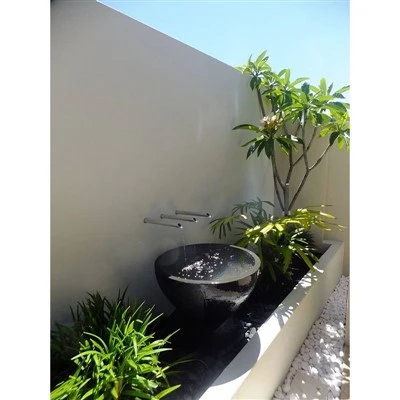
Now, the water part—because this is a water feature, not just a stone. How you run water over your focal stone is what turns it from a stone into a focal point that moves, feels alive, and draws attention. The worst thing you can do is run a thin, weak trickle of water over the top of your stone. That gets lost and doesn’t highlight the stone’s shape or texture. Instead, pick a water flow that matches your stone’s texture and your desired vibe. For a rough, craggy monolith, use a wide, gentle sheet flow—this spreads over the stone’s surface, filling in the crevices and grooves, making those rough textures pop. For a smooth, rounded river stone, a small, steady cascade works well, or a water feature spout that directs a narrow stream to fall onto the stone, creating gentle ripples that spread out. If you want something more dynamic for a large space, you can even work with a pump that creates a small, misty spray from the top of the stone—this is perfect for summer, as it adds a cool, subtle breeze and makes the stone glow in sunlight.
Also, think about where the water drains. The basin of your water feature should be hidden or complement your stones. For example, if you have smooth pebbles in the basin, that ties in with the smooth texture of your statement stone. If you have a rough, natural stone focal point, use smaller, flat slate stones in the basin to keep the look consistent. Avoid using bright plastic liners for the basin—line it with a layer of smooth river pebbles to cover the liner and add to the natural feel.
One detail many people overlook is lighting. Proper lighting at night turns a good focal point into a showstopper, even if you’re sitting inside or walking past your yard after dark. For water feature stones, use low-voltage LED lights that are designed for wet environments (we carry a range of these, specifically tested for outdoor water use). Place 1–2 small lights at the base of the stone, pointing upward to highlight its texture and shape—this creates a soft, natural glow, like moonlight on the stone. You can also tuck a light behind the stone, pointing forward, to create a subtle backlight that makes the stone stand out against the dark background of trees or your house. Avoid bright, harsh spotlights—those can wash out the stone’s natural color and feel artificial. I installed a simple low-voltage light at the base of my own 2ft river stone focal point last year, and now when I walk out to my patio after dinner, it’s the first thing I see—it feels cozy, not like a floodlight in my yard.
Wait, let’s talk about mistakes I see all the time, because learning from missteps is how you get it right. First, don’t overcrowd your focal point with too many stones. It’s tempting to add a handful of small stones around the main one, but more than 4–6 accent stones will draw the eye away from the focal point. Keep accent stones small—no more than half the size of your main statement stone—so they complement, not compete. Second, don’t ignore maintenance. A water feature with dirty stones, algae on the surfaces, or clogs in the pump will look unkempt, no matter how well you placed it. We recommend cleaning your water feature stones with a gentle, non-toxic cleaner every 2–3 months, and checking the pump regularly to make sure the water flow is strong enough. Algae can be prevented by adding a small amount of barley straw to the basin, which is natural and won’t harm plants or fish if you have them. Third, don’t pick stones that are too heavy or hard to install. If you’re not handy with heavy lifting, work with a landscape professional to deliver and place your focal stone—most water feature stone suppliers offer delivery, and many can recommend trusted local installers.
Now, let’s put this all together with an example of a focal point I helped create last spring for a small suburban backyard. The homeowner had a 10ft x 12ft patio, a small seating area with two chairs and a coffee table, and wanted a water feature that didn’t take up half the patio. We started by picking a 15 inch smooth, blue-gray river stone as the main focal point—perfect scale for the space, with a soft, consistent texture. We used the rule of thirds: the intersection of the bottom and left grid lines, so it was visible from both patio chairs and didn’t block access to the yard gate. We tucked two small, 6 inch flat slate accent stones on either side of the main stone, so they tied into the modern, clean vibe the homeowner wanted. For the water feature, we installed a small recirculating basin under the stone, with a pump that creates a gentle, thin cascade that runs over the stone’s curved surface—this wasn’t too loud, so it was relaxing but not overwhelming. We lined the basin with 2 inch smooth pebbles that matched the main stone’s gray tone, hiding the plastic liner. Finally, we installed one low-voltage LED light at the base of the stone, pointing upward. The result? When the homeowner invited friends over, everyone would gather by the patio and comment on how calm the space felt, and the stone was the first thing people noticed—no one mentioned the basin or the pump; they just talked about how the water felt like it was part of the stone itself. It became the spot where people would sit, talk, and even share coffee on weekend mornings.
At the end of the day, a water feature stone focal point is personal. It should match your style, fit your space, and feel like an extension of your outdoor living area. Whether you want a wild, natural focal point for a woodland garden, a sleek, modern monolith for a city patio, or a cozy, small stone for a balcony, the key is to pick stones that work for your scale, mix textures intentionally, place them where they draw the eye naturally, and highlight the water flow to make the stone come alive.
If you’re ready to start planning your own water feature focal point, or you have questions about stone selection, sizing, or installation, our team is here to help. We work with homeowners, landscape designers, and contractors to source the perfect water feature stones for any project, big or small. Reach out to our team to discuss your needs, and we’ll help you find the stones that will turn your water feature into the focal point you’ve been imagining.
Waterfall Boulders References:
- American Society of Landscape Architects. (2021). Outdoor Design Principles: Scale, Sightlines, and Focal Points in Residential Landscapes.
- Stone Center of Texas. (2022). Natural Stone Applications for Water Features: Texture, Flow, and Placement.
- University of Illinois Extension. (2020). Maintaining Outdoor Water Features: Best Practices for Stone Care and Pump Function.
- Landscape Forms. (2023). Lighting for Outdoor Water Features: Balancing Function and Aesthetic Appeal.
Orin International Trade Co., Ltd.
With abundant experience, we are one of the most professional water feature stones manufacturers and suppliers in China. We warmly welcome you to wholesale custom made water feature stones from our factory. If you have any enquiry about cooperation, please feel free to email us.
Address: No.3-1, Shangzhongdi Natural Village, Hexian Village, Shuangta Sub-district, Jiangshan City, Quzhou City, Zhejiang Province
E-mail: atlas@orinstone.com
WebSite: https://www.orinstone.com/
