Hey there, let’s cut to the chase – if you’re reading this, you’ve probably dropped a chunk of cash on a hot water carpet clean, only to glance down a few days later and go “wait, that spot’s back? Ugh.” I get it, I run a hot water carpet and upholstery cleaner supply business, so I’ve seen every mistake under the sun when it comes to post-cleanup carpet care. People think the job’s done once the tech rolls up their hose and hands them the “fresh as new” nod, but nope – re-soiling happens way more often than it should, and most of the time it’s totally preventable. No fancy hacks, no overcomplicated science, just real stuff I’ve picked up from watching homeowners, renters, even a few commercial spaces mess this up over the years. Hot Water Carpet and Upholstery Cleaner

First off, let’s talk about why re-soiling even happens right after a hot water clean. I’m not here to bore you with lab jargon, but think about it: when we blast your carpets with hot water and detergent to lift dirt, that stuff doesn’t just disappear. It gets suspended in the water we leave behind, right? If you don’t get that dirty water out completely, it’s like leaving a magnet for new dirt – foot traffic, dust bunnies, whatever, it sticks right back to that residual gunk. Also, most people don’t realize that when carpets are wet, they’re basically sponges. If you walk on them too soon, you’re grinding that dirt deeper into the fibers instead of letting it dry properly. I once had a customer call me screaming that their hallway got grayer the day after we cleaned it, and turns out their kid was already running around in socks on the damp carpet. Oops.
Now let’s get into the actionable stuff, the stuff that actually works, not the random TikTok tips that make you use too much vinegar or whatever. First up: make sure the carpet is 100% dry before you step on it. Wait, how do you do that if regular fans aren’t enough? Here’s the thing – regular box fans are fine, but if you really want to speed things up (and cut down on re-soil risk), invest in high-velocity air movers. I sell these at my shop, no affiliate link or weird sales pitch, but trust me – these things blast air at 100 mph, they’ll cut dry time from 8 hours to 2 max. Also, open all the windows, crank the AC if it’s summer, turn on the dehumidifier. Moisture is re-soil’s best friend, so kill that first. And the big rule: no socks, no bare feet, no shoes until it’s totally dry. Socks have lint, shoes have dirt you can’t see, bare feet have oil. All that sticks to wet carpet like glue. I know it’s annoying, but maybe lay down some old towels or cheap plastic runners in high-traffic areas until it’s done drying. Worth it.
Next, let’s talk about detergent choice – this is where a lot of people mess up, even when they’re hiring a pro. You wouldn’t believe how many cleaners use way too much detergent, or the wrong kind. Detergent is supposed to lift dirt, but if you leave residue behind, it’s sticky, it attracts dirt. That’s the main culprit for re-soiling, actually. When we sell our hot water carpet cleaners, we also recommend specific low-residue detergents for that exact reason. They break down dirt without leaving that film that makes your carpet feel crunchy a week later. If you’re doing the clean yourself (hey, no judgment, some people like the DIY approach), don’t just pour a bottle of generic carpet shampoo in there. Follow the dilution ratio on the detergent – that little line on the bottle isn’t a suggestion, it’s there to prevent leftover gunk. And for the love of all things carpet, don’t use laundry detergent. I’ve seen people do that, and it’s a disaster – too many harsh chemicals, way too much suds, and it leaves residue that turns into a dirt magnet by day three.
Then there’s post-cleanup maintenance, not just the day-of stuff. Let’s talk about vacuuming. Wait, you vacuum after a hot water clean? Most people vacuum before, and then wait a week or two to vacuum again after, which is wrong. The day after your carpet is fully dry, do a deep vacuum with a good upright or canister vacuum – one with a HEPA filter, not the cheap hand-me-down your neighbor gave you. What that does is suck up any leftover dirt that the hot water clean loosened, plus any tiny particles that might’ve settled on the damp carpet while it was drying. And after that, vacuum at least once a week, twice if you have kids or pets or people coming in and out all the time. Dirt doesn’t magically appear – it’s just floating in the air, landing on your carpet, and building up. Catching it early means it won’t get ground into the fibers and require a deep clean every three months.
Pets and stains? Yeah, they’re a whole re-soil issue. If you have a dog or a cat, even a tiny accident that you can’t see – like a little puddle that dried and you missed it – will leave a residue that attracts dirt. I always tell pet owners to do a stain check a few days after a deep clean. Grab a small bowl of warm water and a white cloth, dab any area that feels a little crunchy or looks off, and if the cloth gets discolored, you’ve got residual pet gunk. Clean that spot right away with an enzyme cleaner, not just regular detergent – enzymes break down the proteins in pet messes that regular stuff can’t get, so no leftover residue. If you wait, that spot will get dirtier faster than the rest of your carpet, and before you know it, you’ve got a weird ring that makes the whole room look messy.
Another big one: entryway barriers. I don’t care if you live in a fancy apartment or a tiny rental, your front door is where 80% of carpet-soiling starts. People track in grass, mud, salt, dust, whatever from outside. Lay doormats – two, actually – one outside to scrape off the big gunk, one inside to catch whatever the first one misses. And every couple of weeks, shake those mats out or throw them in the wash. I’ve had customers who skipped doormats have their living room carpet re-soil in a month, and once they put mats down, it stayed clean for three. Simple, right? Also, if you wear shoes inside, that’s a huge no-no after a hot water clean, and even long-term. Shoes track in so much stuff – I once found a quarter inch of dirt in the sole of a guy’s work boot, no joke. Ask your guests to take shoes off too, or at least have a nice boot mat by the door.
Wait, let’s talk about over-wetting. When you use a hot water carpet cleaner, it’s easy to think “more water = cleaner carpet” but that’s not true. If you flood the carpet, you’re forcing that dirty water deeper into the padding, which can cause mold, mildew, and that residual dirt I mentioned earlier. That deep moisture also takes way longer to dry, which means more time for dirt to stick. Our hot water cleaners are designed to balance water flow with suction, so you get a deep clean without leaving excess water. If you’re renting a machine, watch how long you hold the wand on each spot – don’t linger, keep moving, and go over each area a second time on dry mode to suck up extra water. That’s a trick a pro taught me years ago, and it cuts down on re-soil so much.
Oh, and spot treatment mistakes! If you spill something right after a clean, people tend to scrub like crazy, which grinds the spill into the fibers and leaves residue. Instead, grab a clean white cloth (colored ones can transfer dye) and blot, don’t rub. Apply a little bit of warm water or that low-residue detergent we talked about, blot again, and then weight the cloth down with something heavy for 10 minutes to soak up the moisture. No rubbing, no scrubbing, that’s how you get spills out without leaving gunk.
Now, let’s get real about what you shouldn’t do. I see people using way too many products after a clean – vinegar and baking soda, essential oils, all that stuff, thinking it helps. Most of those leave residue, or make your carpet attract more dirt. Essential oils are fine for a fresh smell every once in a while, but don’t douse your whole carpet in them. Vinegar is okay for spot cleaning if you use it diluted, but straight vinegar can break down carpet fibers over time, and if you use too much, it leaves a sticky film. Stick to the basics: good vacuuming, proper drying, low-residue products, and entryway mats.
If you’re hiring a professional for your hot water carpet clean, ask them about their process. Do they use low-residue detergent? Do they use high-powered suction to get all the dirty water out, not just leave it sitting there? Do they give you clear instructions about drying time? A lot of cheap services cut corners to get the job done faster, which means more re-soil for you. At my business, we train our techs to check for residue after the clean, and give customers a printout with drying instructions – not just “wait until it’s dry” but specific tips for their home, like if they have pets, or high-traffic areas. That’s the difference between a clean that lasts six months and one that’s dirty again in two weeks.
Wait, let’s circle back to that initial re-soil panic I mentioned. I had a repeat customer last year who called me three days after a professional clean, saying their carpet looked worse than before. I drove over there, walked in, and realized their teen had been dragging a backpack through the living room on the damp carpet, and the backpack had all that school dust in it. That’s not the clean’s fault, that’s just a silly mistake. So a big part of preventing re-soil is being mindful for that first 48 hours after a clean – no moving furniture, no dragging stuff through the carpet, no letting anyone walk on it. If you have to move furniture, put furniture gliders under the legs so you don’t scratch or grind dirt into the fibers, and only move it when the carpet is totally dry.
Another long-term tip: periodic deep cleaning. Wait, you do have to get your carpets cleaned regularly, right? But don’t overdo it – every 12-18 months for most homes, every 6 months if you have kids, pets, or allergies. When you get a deep clean, make sure it’s hot water extraction (that’s the technical term for what we do, the hot water carpet cleaning people usually use) because it gets deeper into the fibers than steam cleaning or dry cleaning. But even between deep cleans, those weekly vacuuming sessions catch the small dirt particles that would otherwise build up and make your next deep clean less effective, and lead to re-soil faster.
Let’s wrap this up with the stuff that matters most, no fluff. Re-soiling after a hot water carpet clean isn’t unavoidable – it’s usually caused by leftover detergent, not fully extracted water, walking on damp carpet, or skipping basic maintenance. If you nail the drying time, use low-residue products, vacuum properly, use entryway mats, and be mindful of your carpet for the first few days after a clean, you can keep your carpets looking fresh for months.
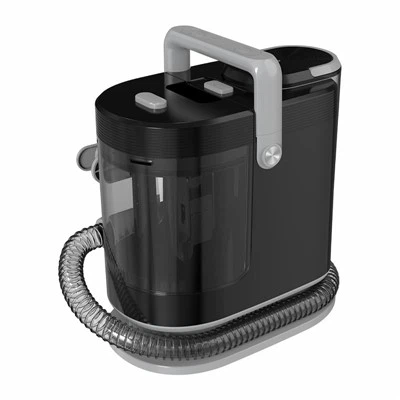
If you’re in the market for a hot water carpet or upholstery cleaner, or need more personalized tips for your space, reach out to our team. We’ve got all the equipment, detergents, and know-how to make sure your clean lasts, no short cuts, no fancy nonsense.
Handheld Carpet and Upholstery Cleaner References:
- The Carpet and Rug Institute. (2021). Best Practices for Hot Water Extraction Cleaning of Residential Carpets.
- American Society for Testing and Materials. (2019). Standard Guide for Care and Maintenance of Textile Floor Coverings.
- Environmental Protection Agency. (2020). Indoor Air Quality: Carpets and Home Comfort.
- Tarrant, M. A. (2018). Residential Carpet Cleaning Practices and Re-Soiling Prevention: A Field Study of Common Household Errors. Journal of Cleaning Science and Technology, 14(2), 45-58.
Ningbo MLE Electrical Appliance Co., Ltd.
Ningbo MLE Electrical Appliance Co., Ltd. is one of the most reliable hot water carpet and upholstery cleaner manufacturers and suppliers in China, also supports customized service. Welcome to buy advanced hot water carpet and upholstery cleaner made in China here and get pricelist from our factory. Quality products and reasonable price are available.
Address: 921 Room, Jinsejiangnan Building, Zhonghe Street, Yinzhou District, Ningbo, Zhejiang, China.
E-mail: Eileen@nbmle.cn
WebSite: https://www.cleaningappliance.com/
