Hey there, fellow fabric folks! If you’ve ever shopped for workwear, protective gear, or even outdoor gear that’s supposed to hold up in tight spots, you’ve probably seen the acronym “FR” thrown around next to cotton. As someone who’s been in the FR cotton fabrics game for over a decade, I get it—when you’re sourcing materials, price is huge. That’s the question everyone hits eventually: Is FR cotton more expensive than regular cotton? The short answer is… yeah, but let’s not stop there. There’s way more to it than just a number on a price tag, and I’m gonna break it down like I’m chatting with you over a coffee (no stuffy industry jargon, promise). FR Cotton Fabrics

First, let’s make sure we’re on the same page about what FR cotton actually is, because a lot of folks mix it up. FR stands for Flame Resistant, right? But regular cotton is just… cotton. Like, the stuff in your t-shirt, your bed sheets, that soft, breathable fiber. When you make FR cotton, you’re not just slapping a coating on regular fabric and calling it a day—well, some cheap brands do that, but that’s not the good stuff. The real FR cotton we supply is either treated with permanent flame-resistant chemicals that bond with the cotton fibers themselves, or it’s a blend engineered from the start to self-extinguish when the heat source is removed. Think: if it catches a spark from a welding torch or a campfire, it doesn’t keep burning like regular cotton does. Regular cotton will ignite, melt, and stick to skin—total safety hazard in jobs like construction, oil and gas, electrical work, or even for people who work around open flames. That’s the core difference, and that’s where the cost starts to add up.
Let’s talk about the production side first, because that’s where the price gap comes from. Regular cotton is farmed, spun, woven, dyed—all standard processes. It’s a super well-established commodity, so there’s tons of competition, supply chains are efficient, and margins are tight. FR cotton? That’s a whole other process. When you’re treating cotton to be FR, you can’t just use any old chemical. We have to use chemicals that meet specific safety standards—NFPA 70E, ASTM F1506, OSHA standards for workplaces, right? Those aren’t random rules—they’re tested over and over to make sure the fabric actually does what it’s supposed to: not burn, not drip, not release toxic fumes when heated. Those chemicals aren’t cheap, and applying them correctly isn’t a matter of dipping the fabric once. You have to make sure it’s evenly coated, that it bonds with every fiber, and that it doesn’t wash out after a few cycles. I’ve seen bad FR fabric that starts to lose its flame resistance after 5 washes—no good, that’s a waste of money for the buyer. So the treatment process adds hours of labor, specialized machinery, and quality control checks that regular cotton just doesn’t need. That alone makes the fabric more expensive.
Then there’s the fiber integrity. Regular cotton can be processed with really high heat during dying and weaving, but FR cotton? The chemical treatment can’t handle that kind of heat, or it breaks down. So we have to adjust our entire production workflow. We use lower-temperature processes for dying, printing, even finishing the fabric. That slows down production, means we can’t run as much fabric through the machines at once, and we have to do extra tests to make sure the treatment didn’t ruin the cotton’s softness or breathability. Regular cotton doesn’t have any of that hassle. I remember a few years back, a client tried to save money by using a lower-grade FR chemical that ended up making the fabric stiff and scratchy—no one wants to wear that 10 hours a day, so they sent it back. We had to redo the whole batch, which cost us more in materials and labor, and that extra cost gets passed on because we can’t absorb it. It’s not just us, either—any legitimate FR fabric supplier has to account for that kind of rework if they want to keep their certifications.
Wait, but let’s address the elephant in the room: why would anyone pay more for FR cotton? Because when you’re talking about safety, the price isn’t just for the fabric—it’s for the protection. I’ve had conversations with construction superintendents who initially thought FR cotton was a rip-off, until one of their workers had a small flash fire incident. The regular cotton uniform the guy was wearing ignited and stuck to his arm, causing third-degree burns. The FR uniform a coworker was wearing didn’t burn at all—just charred a tiny spot on the sleeve, and the worker walked away with nothing more than a scare. That’s when they get it. FR cotton isn’t a luxury; it’s a required safety standard for millions of workers. OSHA actually mandates flame-resistant clothing for certain industries, so if you’re a business owner, cutting corners on FR fabric isn’t just a bad idea—it’s against the law.
Now, let’s talk about the price difference in real numbers, because I know you want that. For basic lightweight cotton (like the stuff for t-shirts or casual pants), you’re looking at $1 to $2 per yard, maybe more for organic. For FR cotton that meets the main safety standards, it’s usually $3 to $8 per yard. Wait, that’s a big gap, but let’s break that down over time. FR fabric is also more durable than regular cotton, especially when it’s treated properly. It doesn’t fray as easily, it holds its shape, and if you take care of it (wash in mild detergent, no fabric softener—important, that breaks down the FR treatment!), it can last 3 to 5 years of heavy use. Regular cotton workwear might only last 1 to 2 years before it’s threadbare or too worn to be safe. So when you do the math, the cost per wear is actually pretty comparable, if not cheaper long-term. A lot of clients don’t think about that—they see the higher upfront price, but they don’t account for replacement costs and, more importantly, the cost of a workplace injury. A single burn incident can cost a company tens of thousands of dollars in workers’ comp, downtime, legal fees—way more than the difference between regular and FR fabric.
Also, not all FR cotton is the same. There’s cheap FR fabric that uses a topical coating instead of bonding with the fibers. That’s the stuff you can get for lower prices, but it’s a rip-off. The coating washes off after 10 to 15 washes, so after a few months, it’s just regular cotton again. We avoid that at our place because we’ve seen too many clients come back after buying cheap FR fabric that failed a safety inspection. Our FR cotton is durable, permanent—we test every batch after treatment to make sure it still meets the standards after 50 washes. So when you’re comparing prices, make sure you’re comparing apples to apples. Cheap FR fabric might seem like a deal, but it’s not worth it.
Another thing: supply and demand. Regular cotton is a super abundant commodity, grown all over the world, so there’s always plenty of it. FR cotton is a niche product. It’s not grown as a “FR crop” (we blend or treat regular cotton to make it FR, not grow it that way), so the supply is limited. There are only a handful of facilities that have the specialized equipment to treat cotton for flame resistance, so if there’s a spike in demand—like during a construction boom, or a new oil project—prices go up even more. That’s just basic supply and demand at work. But even when demand is low, the production costs keep it above regular cotton.
Wait, let’s touch on alternatives, just to be thorough. Some people use FR polyester or other synthetic fabrics. Those are usually cheaper than FR cotton, but they don’t breathe as well. If you’re working in a hot warehouse or outside in summer, synthetic fabric can trap heat, cause heat exhaustion, which is another safety hazard. FR cotton is breathable, soft, behaves like regular cotton in terms of comfort, but has that extra safety layer. That comfort is worth extra for a lot of workers—if a uniform is uncomfortable, they won’t wear it properly, which defeats the purpose of FR. So even if synthetics are cheaper, many workplaces and workers prefer FR cotton, which keeps demand steady and the price higher.
Now, I’m gonna be honest here—we get it, price is a big factor. If you’re a small business owner or a manager sourcing for a team, every dollar counts. But cutting corners on FR fabric is never the answer. I’ve had small contractors come to us saying they can’t afford the more expensive FR fabric, but after a few conversations, we work with them on bulk orders, or show them the long-term savings. We also offer different weights of FR cotton—if you’re working indoors in a low-risk environment, we have lightweight FR fabric that’s a bit cheaper than the heavy-duty stuff for high-risk jobs. It’s not one-size-fits-all, so there’s flexibility, but you can’t get a proper FR fabric at a regular cotton price.
At the end of the day, the price tag on FR cotton isn’t just for the material—it’s for the safety, the testing, the quality control, and the peace of mind that comes with knowing your workers or your gear is protected. I’ve been in this industry long enough to know that the best suppliers don’t just sell fabric—they sell reliability. We don’t cut corners on the FR treatment, we test every batch, and we stand behind our product. If you’re shopping around, don’t just look for the lowest price. Ask for proof of certifications, ask about how the fabric is treated, ask about wash tests. That’s the stuff that matters, way more than a few extra dollars per yard.
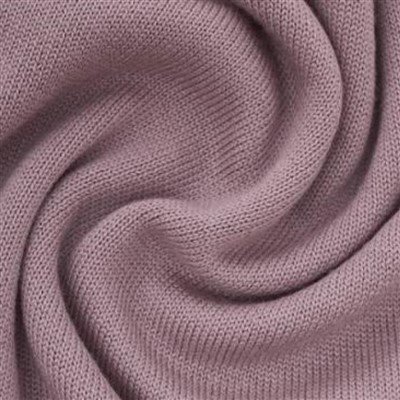
If you’re looking to source FR cotton fabrics, whether it’s for workwear, uniforms, safety gear, or any other application, we’ve got you covered. We work with small contractors, large corporations, and everyone in between, and we’re happy to help you find the right fabric for your needs and budget. Don’t hesitate to reach out to us to chat through your project, ask questions, or get a quote. We’re here to make sure you get the right FR fabric without the headache of dealing with untested, cheap products.
High Strength Yarn References
- National Fire Protection Association (NFPA). NFPA 70E: Standard for Electrical Safety in the Workplace.
- ASTM International. ASTM F1506: Standard Performance Specification for Flame Resistant Textile Materials for Wearing Apparel for Use by Electrical Workers.
- Occupational Safety and Health Administration (OSHA). 29 CFR 1910.132: General Requirements for Personal Protective Equipment.
- Textile Institute. "Flame Resistant Cotton Fabrics: Production, Testing, and End-Use Applications." Journal of Textile Design Research and Practice, vol. 8, no. 2, 2022, pp. 45-62.
- Cotton Council International. "Specialty Cotton Fabrics: Market Dynamics and Production Costs." 2023 Global Cotton Industry Report.
Shangdong Shengrun Textile Co., Ltd.
Shangdong Shengrun Textile Co., Ltd. is one of the most professional fr cotton fabrics manufacturers and suppliers in China, featured by quality products and good service. Please rest assured to wholesale customized fr cotton fabrics made in China here from our factory. Contact us for quotation.
Address: No.1 Yuansheng Road, Jiaxiang, Shandong, China
E-mail: ywh@shengrungroup.com
WebSite: https://www.shengrun-textile.com/
