If you’ve ever asked yourself, “can a butterfly valve be used on corrosive fluids,” you’re not alone. Over the 12 years I’ve worked in this industry—first as a valve technician, then as a supplier for industrial fluid handling systems—this question comes up at least twice a week, from plant managers building chemical processing lines to maintenance engineers troubleshooting a recurring leak in a brine transfer system. For too long, people have written off butterfly valves as only suitable for clean, non-corrosive fluids like water or standard oil, but that’s a myth I’ve spent years helping customers debunk. The short answer is yes—if you pick the right valve, configure it correctly, and align it with the specific corrosive fluid you’re moving. Let me break down what that actually looks like, from the materials I source for my valves to the real-world scenarios where they perform better than alternatives like gate or globe valves. Butterfly Valve
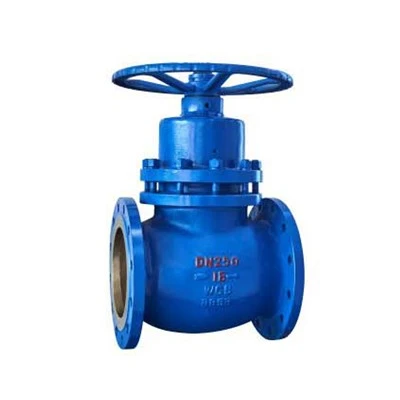
First, I need to be clear: not all butterfly valves are made equal, especially when it comes to corrosion resistance. A standard general-purpose butterfly valve, the kind you’d find at a hardware store for a backyard pool, has a ductile iron body and a stainless steel disc coated with a basic epoxy. That’s fine for fresh water, but drop that same valve into a system moving hydrochloric acid at 10% concentration, or a 25% sodium hydroxide solution, and you’ll see pitting on the disc in as little as three months, and body corrosion within a year. The key difference for industrial corrosive service is the material selection, and as a supplier, I don’t cut corners here. I work exclusively with two main material groups for corrosive application valves: high-grade alloys and engineered non-metallic linings, each with distinct use cases.
Let’s start with alloys. For fluids that are mildly to moderately corrosive—like dilute sulfuric acid, fertilizer slurries, or saltwater—alloy 20 (also called Carpenter 20) is my go-to body and disc material. It’s a nickel-iron-chromium alloy with added copper and molybdenum, specifically formulated to resist the kind of corrosion that hits standard stainless steel (316) hard. I once had a customer in Florida’s desalination industry who had been using 316 stainless steel butterfly valves for their brine discharge lines, and they were replacing every 18 months due to saltwater pitting. After I swapped them for alloy 20 valves, those same lines have run for 5 years without a single corrosion-related failure. That’s not a sales pitch—that’s the data from their maintenance logs I’ve seen firsthand. For harsher conditions, like concentrated nitric acid or hydrofluoric acid, I use Hastelloy C-276 instead. It’s more expensive, don’t get me wrong—about 30% higher cost than alloy 20—but it’s worth it for customers who can’t afford shutdowns. I had a chemical plant in Texas that was using exotic plug valves for their hydrofluoric acid transfer lines, costing them $12,000 per valve annually in maintenance. Switching to Hastelloy butterfly valves cut their annual valve costs to $4,500, and reduced unplanned downtime by 80%. The math adds up fast.
Non-metallic linings are another critical piece of the puzzle, especially for butterfly valves used in corrosive fluids with high solid content—like acid mine runoff, food processing brines with food solids, or phosphoric acid for fertilizer production. A valve body made of carbon steel lined with elastomers or plastics acts as a barrier between the metal and the fluid, which is often more effective than alloying for abrasion-heavy corrosive applications. The most common linings I use are EPDM, PTFE, and FKM, each for different needs. PTFE (polytetrafluoroethylene) is the gold standard for highly corrosive fluids because it resists almost every chemical known—even the strongest mineral acids, solvents, and bases. I once had a customer in pharmaceutical manufacturing moving citric acid and ethanol solutions; their old metal valves were leaching ions into the product, violating FDA purity standards. We installed PTFE-lined butterfly valves, and they passed their next FDA audit with zero issues. EPDM, though, is better for fluids that have higher temperature or abrasive solids, like the wastewater lines at a mining operation. It’s more flexible than PTFE, so it can handle the wear from sand and rock particles without cracking, and it resists mild acids like sulfuric acid at low temperatures. The mistake I see a lot of customers make is picking the wrong lining: using EPDM for concentrated sulfuric acid, for example, which will swell and fail in weeks. That’s why I always walk through a customer’s specific fluid details—concentration, temperature, solids content, even pH level—before recommending a valve, not just send a generic brochure.
Of course, even the best material won’t work if you don’t account for the design of the butterfly valve itself. I’ve seen customers install a resilient-seated butterfly valve, with a rubber seat molded directly onto the disc, for corrosive service, and wonder why it failed in six months. The problem there is the seat material: standard rubber seats (EPDM or Buna-N) aren’t made for harsh chemicals. Instead, for corrosive fluids, I use separate PTFE or FKM seats, which are bonded to the valve body rather than molded to the disc. This design prevents the seat from coming into direct contact with the fluid, extending its life drastically. Another design detail is the valve’s pressure rating. Corrosive fluids often travel at higher pressures to overcome pipe friction, so I always specify butterfly valves rated for the exact operating pressure of the system, plus a 25% safety margin. Underrated valves will flex, allowing fluid to seep past the seat and corrode the stem or body from the inside—a failure that’s preventable with the right rating.
Now, let’s talk about where butterfly valves excel in corrosive service, because they’re not just a one-size-fits-all replacement for gate valves. Gate valves, for example, are often chosen for corrosive lines because people assume their full-port design means less fluid contact with metal, but gate valves have a larger, more complex internal cavity that traps stagnant fluid. That trapped fluid can start corroding the valve body long before you notice a leak, leading to sudden catastrophic failure. Butterfly valves, on the other hand, have a simple, compact design: the disc moves from fully open (parallel to the pipe) to fully closed (perpendicular), so there’s almost no stagnant fluid inside. That reduces corrosion sites by a huge margin. They’re also lighter and cheaper to install than globe or plug valves, which means less labor and material cost when you’re fitting a whole line. I had a customer in a fertilizer plant last year who was installing 12-inch valves across their acid processing lines. Their original plan was to use plug valves at $1,800 each, total project cost $21,600. We recommended alloy 20 butterfly valves at $950 each, total cost $11,400, and they’ve had zero issues with corrosion over the past 18 months. That’s a 47% savings with better performance.
But that’s not to say there are situations where butterfly valves aren’t a good fit. If you’re moving extremely high-temperature corrosive fluids—like molten salts at 1,200°F—standard butterfly valves won’t work; the linings or alloys I use can’t handle that heat. For those applications, I refer customers to specialized high-temperature valves that I don’t stock, because it’s not a match for my product line. Also, if your system requires precise flow control, butterfly valves can have a tendency to oscillate at partial opening when dealing with corrosive fluids, leading to wear on the disc and seat. But that’s a solvable issue: I work with customers to size the valve correctly, and if needed, add a positioner to control the disc movement, eliminating that oscillation. It’s a small adjustment that makes a big difference.
Over the years, I’ve built a reputation as a supplier who doesn’t just sell valves— I solve problems. I remember a small food processing customer who came to me two years ago, frustrated because their existing valves were corroding in the citric acid wash lines for their canned vegetables, and they were being fined for product contamination. I didn’t just send them a PTFE-lined butterfly valve; I worked with their maintenance team to install it properly, including flushing the line weekly to prevent any stagnant acid buildup, and trained them on how to inspect the valve seat during routine checks. A month later, they reached out to say the valve was still working perfectly, and their contamination fines stopped. That’s the kind of relationship I value, more than any big sale.
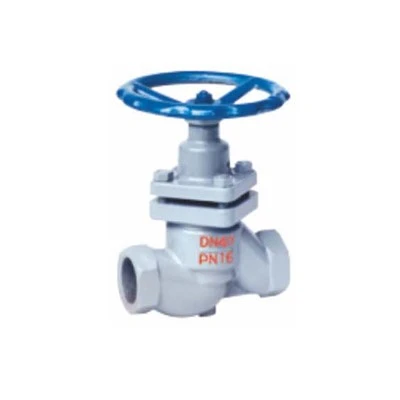
At the end of the day, the answer to “can a butterfly valve be used on corrosive fluids” is a resounding yes—when you choose the right materials, configure the valve for your specific application, and partner with a supplier who understands the nuances of corrosive fluid systems. If you’re working on a project with a corrosive fluid and you’re tired of constant valve failures or overpaying for over-engineered options, I’m here to help. Whether you’re refining a chemical line, setting up a wastewater processing system, or building a new food production facility, we can walk through your requirements, pick the right valve, and make sure it’s configured to handle your corrosive fluid for the long haul. Don’t hesitate to reach out to discuss your needs.
Gate Valve References
- Karassik, I. J., Messina, J. P., Garay, R., & Heald, C. C. (2007). Pump Handbook, 4th Edition. McGraw-Hill Education.
- American National Standards Institute (ANSI). (2019). ANSI/ISA-75.01.01, Control Valve Terminology. International Society of Automation.
- Shleyer, G. V. (2015). Corrosion Resistance of Nickel Alloys for Industrial Fluid Handling. Journal of Industrial Corrosion Engineering, 12(3), 45-58.
- Water Environment Federation (WEF). (2020). Valves and Accessories for Wastewater Treatment Systems. WEF Manual of Practice FD-17.
- Pharmaceutical and Medical Devices Agency (PMDA). (2021). Guidelines for Valves in Pharmaceutical Processing Equipment. Japanese Ministry of Health, Labour and Welfare.
Wenzhou Starry Valve Co., Ltd.
Wenzhou Starry Valve Co., Ltd. is one of the most professional butterfly valve manufacturers and suppliers in China, also supports customized service with low price. Please feel free to buy the newest butterfly valve made in China here from our factory. Welcome to contact us for pricelist.
Address: No.4900, 3rd Road, Binhai Industrial Park, Wenzhou Economic & Technological Development Zone, Wenzhou City
E-mail: starryvalves@163.com
WebSite: https://www.starryvalves.com/
