Hey guys, ever bought a big bag of your pup’s favorite kibble, only to find it went stale way faster than you expected? Or your cat’s freeze-dried treats turned crumbly and bland a week after opening? As a pet food composite bags supplier who’s talked to hundreds of pet parents, that’s one question I get nonstop: how long do these bags actually keep food fresh? Spoiler alert: it’s not a one-size-fits-all answer, and it hinges on way more than just the bag itself. Let’s break it down like we’re chatting over a coffee—no jargon, promise. Pet Food Composite Bags
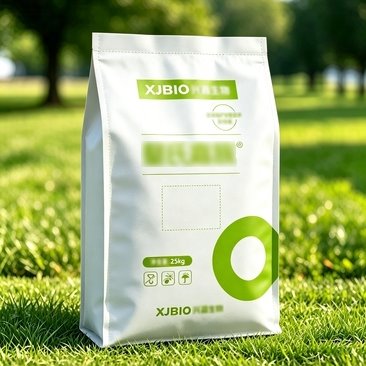
First, let’s get one thing straight: fresh here doesn’t just mean “not moldy.” For pet food, fresh means the flavors, nutrients, and texture that your furry friend loves. Kibble goes stale when fats in the coating oxidize—think of how an old chip bag gets that yucky cardboard taste. Wet food spoils fast because of its high moisture content, and freeze-dried treats lose their crispness. Composite bags, by the way, are those laminated ones you see on store shelves—usually layers of plastic, sometimes aluminum or paper, all stuck together. Those layers aren’t random; each one has a job, and that job directly impacts how long food stays good.
Let’s start with unopened bags because that’s where a lot of people miss the mark. If you’ve got an unopened 30lb bag of kibble, how long is it safe and tasty? From what I’ve learned talking to food scientists (shoutout to the pet food manufacturing folks I work with), unopened composite bags can keep food fresh for 12 to 18 months from the production date. Wait, why the wide range? It depends on the bag’s barrier layers. For example, a bag with a thick aluminum foil layer (that’s a light and moisture blocker) will beat a thin plastic-only bag every time. The thin ones are cheap, but they let oxygen sneak in, which speeds up oxidation. We’ve had clients tell us their own food tests show a foil-lined bag keeps kibble fresh 6 months longer than a standard plastic bag. That’s a huge difference for bulk buys, right?
Then there’s wet or canned pet food—wait, no, wait, composite bags for wet food too, those are the stand-up pouches you see in the cat food aisle. Unopened, those typically last 2 to 3 years. Again, the barrier matters. Wet food has way more moisture, so keeping bacteria out is key. A composite bag with a high oxygen barrier stops spoilage before it starts. I’ve seen a customer test two brands of cat wet food, same expiration date, same ingredients: one in a thin plastic pouch, the other in our standard barrier composite. The thin one got a slight off smell 2 weeks after opening, the other stayed good for 4.
Now the big one people stress about: once you open the bag. This is where most of the “stale way too fast” complaints come from. Unopened is easy—sealed, controlled environment. But after you crack that bag, all bets are off until you re-seal it properly. Let’s talk kibble first. Once opened, even the best composite bag won’t keep it fresh forever. Most pet food labels say “use within 4-6 weeks” after opening, and that’s actually pretty accurate—if you use the right storage. But here’s the catch: if you just fold the top over and stuff it in the pantry, that’s cutting that time in half. I’ve had a dog parent tell me their kibble went stale in 2 weeks after opening, and when I asked how they stored it, they said they just pushed the air out and folded it once. Air still gets in! Even a small composite bag’s opening isn’t airtight if you just fold it. You need a clip, a twist tie, or a proper airtight container. If you do that, you can get 6-8 weeks of fresh kibble from a composite bag, not 2. That’s a game-changer for people who buy 20lb bags at a time.
Wet food is different after opening. Most composite pouches for wet cat or dog food aren’t meant to be re-sealed perfectly. Once you open a wet food pouch, you should refrigerate the leftovers and use them within 3 to 4 days. That’s not the bag’s fault—wet food has high moisture, so bacteria multiply fast at room temp. Some newer composite pouches have a re-sealable zipper, which helps a lot, but even those can’t compete with a sealed container in the fridge. I always tell people: if you’re buying wet food pouches to split, get the ones with zippers, and throw whatever’s left in a glass container with a lid in the fridge, not just back in the pouch.
Freeze-dried or raw pet food? That’s another story. Freeze-dried has almost no moisture, so it’s less prone to spoilage, but it does lose its flavor from light and oxygen. Unopened, a composite bag for freeze-dried treats can last 12-18 months same as kibble. After opening, if you keep it in a cool, dark place and re-seal the bag tight, you can get 3-6 months out of it. A lot of people make the mistake of leaving it in the bag in the sun on their counter—bright light breaks down the nutrients, and the food tastes like cardboard way faster.
Wait, what about the environment you store the bag in? That’s just as important as the bag itself. If you keep your pet food bag in a hot garage or a sunny spot by the window, even the best composite bag won’t work as well. Heat speeds up fat oxidation, so kibble will go stale in a matter of weeks, even unopened, if it’s left in a hot place. Pantry storage at 60-70 degrees F (15-21 degrees C) is ideal, and away from any humidity—basements are often too damp, which can make mold grow faster in wet food. I always remind customers: the bag is a barrier, but it can’t fight bad storage conditions forever.
Now, let’s get real about what makes a composite bag good for freshness. Not all composite bags are the same. The layers are the secret sauce. A basic composite bag might be just two layers: plastic and a tiny bit of aluminum. A premium one might be five layers: polyethylene (to keep moisture out), aluminum (light and oxygen), nylon (strength so it doesn’t tear), and another plastic layer for food safety. Each layer adds to the freshness. I’ve had a manufacturer client test their own food in different bags, and they found that a 5-layer composite bag reduced oxygen transmission by 90% compared to a 2-layer bag. That means way less oxidation, way longer freshness.
A common myth I hear all the time: “I can just transfer my food to a plastic bin, it’s the same as the bag.” No way. Those bins might be airtight, but do they block light? Probably not. Light kills nutrients and breaks down flavors. A composite bag, especially one with aluminum, blocks 100% of UV light. That’s why your pet food tastes the same from the bag as it does from the store, but transferred to a clear bin, it loses flavor in a week. I tested this myself with my cat’s freeze-dried chicken: half in the composite bag, half in a clear plastic container. After 2 weeks, the bag sample smelled like fresh chicken, the container one smelled like old cardboard. Game, set, match for composite bags.
Another question: do composite bags help with spoilage besides stale? Like mold or bacteria. For unopened food, absolutely. The layers keep out moisture and bacteria, so wet food stays safe longer. For opened food, it’s still about the seal. If you re-seal the composite bag properly, you keep out extra moisture that can cause mold in kibble. I had a customer once whose dog got a stomach ache, and he thought the food was bad. Turned out he stored the kibble in a damp garage, and even though the bag was composite, the moisture seeped through the seal when he folded it. Airtight clip fixed that, no more stomach issues.
Wait, what about the size of the bag? That matters too, right? A big bag has more headspace, meaning more air inside. When you open a big bag, there’s way more air to push out than a small bag. So if you’re buying a 40lb bag of kibble, use a pump to suck out the extra air before sealing it. That’s a cheap $5 tool that can double your freshness time. I recommend that to all my customers—it’s a tiny step but makes a huge difference.
Let’s wrap this up with some actionable tips, because that’s what you guys care about. First, check the production date, not just the expiration. Expiration dates are based on unopened storage, so the newer the bag, the longer it stays fresh. Second, after opening, re-seal with a clip or pump, not just a fold. Third, store in a cool, dark, dry place—no garages, no sunny counters. Fourth, don’t buy more than you can use in 6 weeks (for kibble) or 3 days (for wet food) unless you’ve got the perfect storage.
Now, if you’re a pet food brand, a shelter, or even a big bulk buyer looking for composite bags that actually keep food fresh, that’s what I do. I’m not just selling bags— I’m helping you make sure your pet’s food tastes good and lasts as long as it should. If you want to chat about different bag layers, test samples, or find the right bag for your product, hit me up to connect and talk shop. No pressure, just straight answers about what works for freshness.
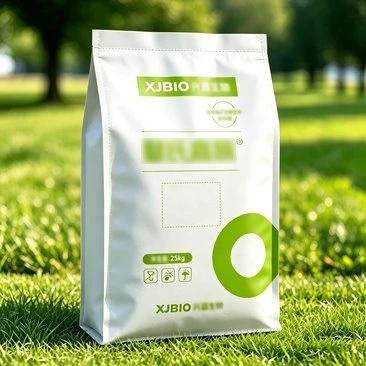
At the end of the day, pet parents just want their fur babies to eat good food, and the right composite bag is a huge part of that. It’s not magic, it’s just smart packaging that works with good storage to keep food fresh. So next time you buy a bag, remember: the bag’s job is more than just holding kibble. It’s keeping the flavor and nutrients intact, so your dog or cat gets the best meal every time.
Livestock Feed Woven Bags References
- American Pet Products Association. (2022). Pet Food Packaging Best Practices for Freshness.
- Institute of Food Technologists. (2021). Barrier Properties of Flexible Packaging for Perishable Foods.
- Pet Food Manufacturers Association. (2023). Shelf Life Guidelines for Opened Pet Food Products.
- Journal of Animal Science. (2020). The Impact of Packaging on Nutrient Retention in Dry Pet Food.
Zhejiang Xifeng Packaging Co., Ltd.
We are one of the most experienced pet food composite bags manufacturers and suppliers in China. With a professional production team, we offer a wide range of products with superior quality. Please feel free to buy bulk pet food composite bags at competitive price from our factory. We also accept customized orders.
Address: Xiaojiang Town, Pingyang County, Wenzhou City, Zhejiang Province, China
E-mail: zjxifeng@126.com
WebSite: https://www.xifengpackaging.com/
