If you’re running a commercial garage, you know how much goes on there day in and day out: mechanics are turning wrenches, cars are idling for repairs, paint fumes are hanging in the air, and dust from grinding or sanding is everywhere. A regular box fan just won’t cut it here – you need a special-duty fan that’s built to handle these messy, high-stakes environments. As someone who’s been in the special-duty fans supply game for years, I’ve helped dozens of garage owners pick the right gear, and today I’m breaking down exactly how to do it without wasting money on something that’ll break in 6 months. Special-Duty Fans
First off, let’s be real: commercial garages have specific pain points. Most of the time, they’re not just “big storage spaces” – they’re work zones with constant moisture (from car washes, leaky engines, or cleaning crews), corrosive stuff (like battery acid, paint thinners, or gasoline fumes), and heavy dust that clogs up standard fans fast. A regular residential fan’s motor isn’t sealed, so moisture can get in and fry it in no time, or the blades will rust after a few months. Special-duty fans are designed to dodge all that, but not all of them are made for garages – so here’s where to start.
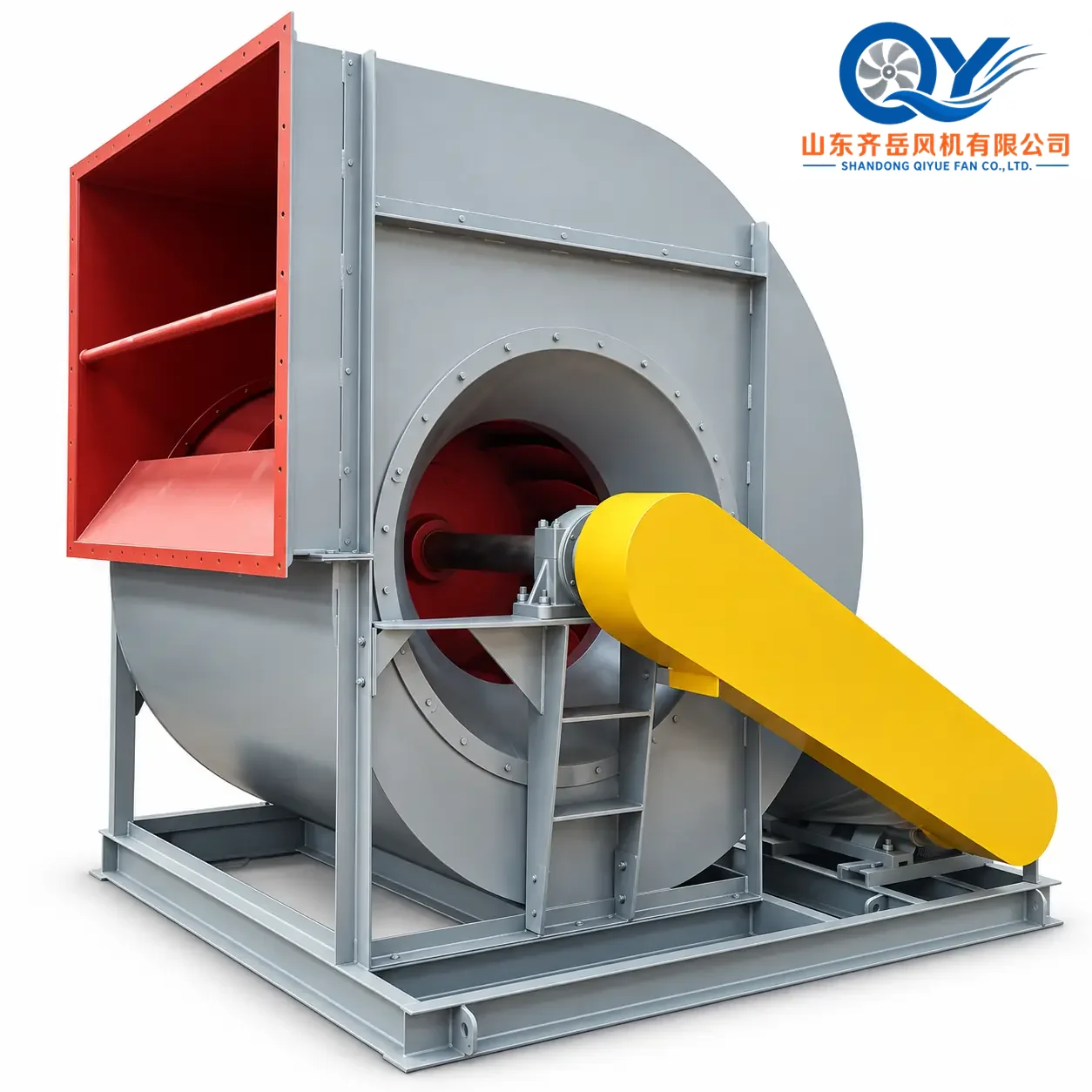
Let’s talk about fan type first, because that’s make-or-break for a garage. I see a lot of owners grab a big box industrial fan, but for most garages, axial or centrifugal fans are the way to go. Axial fans move air straight through the blades, perfect for pushing out fumes from a single work bay or drying a damp spot after a car wash. They’re lighter, cheaper, and easier to mount on walls or the ceiling, which is ideal if you don’t want something taking up floor space. Then there are centrifugal fans – these are the workhorses, great for moving air longer distances or through ductwork, like if you have a spray paint booth that needs to vent fumes all the way out to the side of the building. I always ask garage owners: do I need to move air to a specific spot (go centrifugal) or just circulate it to clear a work area (go axial)? That’s the first call, no guesswork.
Next up, build quality – don’t sleep on this. A garage is a tough environment, so your fan can’t be flimsy. Let’s start with the motor: look for motors that are totally sealed (IP-rated, like IP55 or higher) because that means they’re dust-proof and moisture-resistant. I’ve had customers come to me with fans that died because they left them running during a car wash, and water got into the motor – if it wasn’t sealed, that’s avoidable. Blades matter too: steel or aluminum blades beat plastic, hands down. Plastic will crack if you knock it with a tool cart, or rust if fumes eat away at it. Also, check the housing – galvanized steel is a good middle ground, but stainless steel is better if your garage deals with a lot of corrosive materials, like heavy-duty truck repairs or battery work.
Then there’s airflow, which is measured in CFM (cubic feet per minute). This isn’t something you can guess – if you get a fan with too low CFM, it’ll just spin around air that’s already dirty, and you’ll still be breathing fumes. For a single small bay (like 1,000 sq ft), you want at least 6,000 CFM. For a bigger multi-bay garage (2,000+ sq ft), you’re looking at 10,000 to 15,000 CFM. Wait, but don’t go overboard – a fan with way too much CFM will blow paint over if you’re doing a paint job, or make a huge racket that mechanics can’t hear each other over. I always tell customers to measure their garage’s total square footage and ceiling height, then aim for 4 CFM per square foot, adjust up if there are spray booths or heavy idling going on. That formula works 9 times out of 10.
Noise level is another thing no one thinks about until it’s a problem. Mechanics can’t focus if a fan’s so loud they have to shout to ask for a tool, or a customer coming in for an oil change is thrown off by the constant roar. Special-duty fans for garages don’t have to be silent, but look for ones rated under 75 decibels – that’s about the same as a vacuum cleaner, which is manageable in a busy workspace. Cheaper fans often cut corners on noise reduction, using thin blades or cheap motor mounts that vibrate a lot. I always test a fan’s noise level if I can, or check online reviews from other garage owners – if someone says it’s “louder than a construction site,” skip it.
Portability vs. fixed mounting: this depends on how your garage is laid out. If you have multiple bays and need to move a fan from a transmission bay to a paint booth, a portable special-duty fan with wheels is perfect. These are usually a bit bulkier, but easy to roll around. Just make sure the wheels are heavy-duty – not plastic, but rubber or metal, so they don’t break when you’re pulling it over a oil-stained concrete floor. If your garage has permanent work zones (like a dedicated wash bay or paint booth), a wall-mounted or ceiling-mounted fan is better – it’s out of the way, doesn’t get bumped, and you can run it on a timer so you don’t forget to turn it off.
Also, think about extra features that make life easier for garages. A lot of our customers love fans with built-in thermostats, so they only run when the temperature gets above a certain point – that saves electricity. Or fans with spark-proof motors, which are non-negotiable if you’re working with gasoline or flammable materials – regular motors can spark and cause a hazard, but special-duty fans for hazardous areas have spark-proof components. Another big one: oscillating heads if you’re using a portable fan – that way it can cover a wider area without you having to move it every 10 minutes.
Wait, let’s talk about common mistakes I see garage owners make. The first one is buying a fan online just because it’s cheap – they don’t check the build quality, and it dies in 3 months. I once had a customer who bought a $100 fan from a big-box store for his garage; it rusted so bad the blades snapped off after 2 months. Another mistake is not considering ductwork – if you need to vent fumes outside, you can’t just use a regular fan; you need a fan that’s compatible with ducting, otherwise the fumes will just circulate inside. And don’t forget power: make sure your garage has the right electrical outlet for the fan – some high-CFM fans need 240V, not 120V, so you don’t blow a circuit breaker mid-shift.
Now, how does this translate to choosing our fans? At the end of the day, we’re not here to sell you the most expensive fan – we’re here to sell you the one that works for your specific garage. If you’re a small 1-bay repair shop, we’ll point you to our axial wall-mounted fans with IP55 seals and 6,000 CFM, perfect for circulating air and venting oil fumes. If you’re a big multi-bay garage with a paint booth, we’ll suggest our centrifugal duct fans that are spark-proof, 15,000 CFM, and easy to install overhead. We even have portable wheeled fans for customers who move between work zones all day.
The biggest takeaway here: don’t treat your garage like a regular office or home. Your fan has to handle moisture, fumes, dust, and rough use. Skip the cheap stuff, measure your CFM needs, and pick a fan built specifically for commercial work. If you’re still unsure about what’s right for your space, just reach out – we’d be happy to walk through your garage, answer any questions, and help you pick something that’ll last. No sales pitches, no pushy tactics, just solid advice for a workspace that matters.
When you’re looking for a special-duty fan for your commercial garage, it’s easy to get overwhelmed by all the options out there, but breaking it down into these steps takes the guesswork out of it. Prioritize build quality that can handle harsh garage conditions, match the fan type to your layout, nail the CFM to keep air moving right, and don’t ignore noise or portability. It’s an investment that’ll save you money on replacements, keep your workspace safe, and make your team way more comfortable.

If you’re ready to stop dealing with fans that die on you mid-shift and find something that’s built to work as hard as your garage, get in touch with us. We can discuss your specific needs, answer any questions you have, and help you pick the perfect fan for your space. Don’t waste another money on gear that doesn’t cut it – let’s make this easy.
Dust Collection Fans References:
- Occupational Safety and Health Administration. (2022). Ventilation Guidelines for Commercial Workspaces. U.S. Department of Labor.
- Air Movement and Control Association International. (2021). Standard for Commercial Fan Performance Ratings. AMCA International.
- National Fire Protection Association. (2020). Hazardous Location Equipment Standards. NFPA.
- Garage and Automotive Repair Association. (2023). Recommended HVAC Equipment for Commercial Garages. GARA.
- IP Code Standards. (2022). International Electrotechnical Commission. IEC 60529.
Shandong Qiyue Fan Co., Ltd.
With abundant experience, we are one of the most reliable special-duty fans manufacturers and suppliers in China. Please feel free to wholesale high quality special-duty fans made in China here from our factory. We also accept customized orders.
Address: Dongchen Industrial Park, Zhoucun District, Zibo, Shandong, China
E-mail: sales@qiyuefan.com
WebSite: https://www.qiyuefan.com/
