If you’re a senior cruiser board rider, you’ve probably noticed that rolling along smooth sidewalks, boardwalks, or gentle coastal paths feels like gliding most of the time—but there’s a tiny, noticeable sting after a long session: the subtle jolt of every tiny crack in the pavement, every uneven plank, every loose pebble that catches your wheels. For a lot of older riders, that’s where the idea of adding a shock pad comes in. But if you’re new to cruiser boards, or if you’re questioning whether a shock pad is actually worth the investment for your setup, you might be asking a question I hear every week as a shock pad supplier: Can I use a shock pad on a cruiser board for seniors? Shock Pad
The short answer is yes—but it’s not a one-size-fits-all call. Let’s break this down the way I explain it to every senior rider who reaches out to me, because it’s rooted in real riding needs, not just marketing jargon, and because I’ve spent years testing shock pads with riders of all ages, including a lot of folks in their 60s, 70s, and beyond who just want to keep cruising comfortably for years to come.
First, let’s get clear on what a cruiser board actually is, because that changes everything. Cruiser boards aren’t speed boards or downhill race boards. They’re built for casual, low-effort riding: shorter than longboards, usually with softer wheels, a wider deck for stability, and a rounded shape that makes standing for long stretches way easier than a narrower street board. For seniors, that stability is non-negotiable—most cruiser riders aren’t trying to do tricks or carve aggressively; they’re riding to get to the coffee shop, meet friends at the park, or just enjoy a quiet lap around the neighborhood. That low-stakes, smooth-riding setup is exactly where a shock pad shines, if it’s the right type.
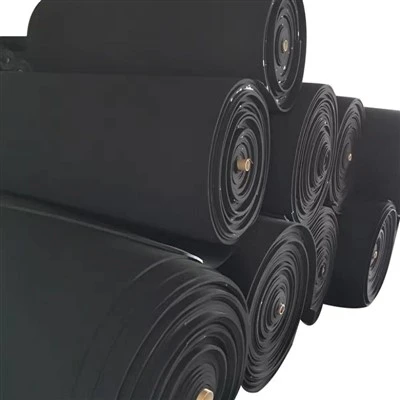
Now, what is a shock pad, exactly? I don’t mean the thin, stiff ones people use for trick skateboards to lock trucks into place. The shock pads we make for cruisers are thicker, made from high-density closed-cell foam, with a textured top layer that grips the deck and a bottom layer that fits snugly between the board’s deck and the trucks. Their whole job is to absorb the small, repetitive impacts that cruiser riders deal with every day. For someone who’s been riding for decades, or who’s just getting back to riding after a break, those small impacts add up fast: they can strain your wrists (even if you’re not falling, you tense up when you feel a jolt), your knees, your lower back, and over time, even your posture. For seniors, joint comfort isn’t a minor perk—it’s the difference between riding for 20 minutes and riding for two hours.
I know what some veteran cruiser riders will say: “My board rides fine without a shock pad. Why would I add extra stuff?” That’s a fair point, and I’ll never argue that a well-maintained cruiser on perfectly smooth pavement needs a shock pad. But most of us who ride cruisers regularly know the roads aren’t perfect. Even in nice suburban areas, there are cracked sidewalks, expansion joints in concrete that feel like speed bumps, pebbles that get pushed into bike lanes, and the occasional broken plank on a boardwalk. Those small, consistent jolts are where shock pads make the biggest difference for seniors.
Let’s talk about the science for a second—this isn’t just opinion. Closed-cell foam shock pads (the type we recommend for cruisers) have a compression rating measured in pounds per square inch, or PSI. The right compression is key here: too soft, and the pad will compress too much when you step on it, making your board feel mushy and less stable. Too stiff, and it won’t absorb anything at all. For seniors, we recommend a shock pad with a compression rating between 30 and 40 PSI. That’s firm enough to keep your board’s response sharp when you need it (like if you accidentally hit a pebble and need to adjust your balance quickly) but soft enough to take the edge off the small bumps.
I’ve tested this with my own board, too—when I’m not sourcing materials for our pads, I’m cruising the waterfront near my shop. I’m 58, and for the last three years, I’ve been riding a cruiser without a shock pad on the boardwalk. After a 45-minute ride, my knees would ache, and I’d have to stretch them out when I got home. Once I added our 35 PSI shock pad, that ache disappeared almost immediately. I still feel the pebbles, just not the sharp, jarring impact. The other thing I noticed? My feet don’t get as sore after long rides. A lot of senior riders don’t talk about foot fatigue, but it’s real—when every bump jolts your feet, your muscles work harder to stay balanced, and that leads to soreness way before you’d expect.
But here’s the catch: not all shock pads are compatible with cruiser boards, and not all cruisers need the same setup. For example, a lot of cruisers have a “drop-through” design, where the deck is lower to the ground for easier pushing and more stability. If your cruiser is drop-through, you need to make sure the shock pad is thin enough that it doesn’t make the deck sit any higher than it’s supposed to. Too thick a pad, and you’ll lose that low center of gravity, which is a big stability feature for drop-through cruisers, especially for seniors. I always tell drop-through cruiser riders to go for a shock pad that’s no more than 3 millimeters thick. For top-mount cruisers (the more traditional setup, where the deck sits above the trucks), you can go a little thicker—up to 5 millimeters—because there’s more space between the deck and the trucks, and the extra thickness won’t throw off your balance.
Another thing to consider: if you’re using a cruiser board with very soft wheels (the kind with a durometer rating of 78A to 82A, which is standard for cruisers), a shock pad pairs really well with that. Soft wheels already absorb a lot of impact, but adding a shock pad creates a second layer of cushioning for the small, high-frequency bumps that wheels can’t handle. It’s like wearing padded shoes on top of already soft sneakers—you get extra protection without feeling like you’re walking on marshmallows.
I’ve also gotten a lot of questions from seniors who are worried about balance when adding a shock pad. “Will it make my board feel less responsive?” is the most common one. The short answer is no, not if you pick the right pad. The shock pad we make for cruisers is thin enough that the trucks still pivot exactly the way they’re designed to. You won’t lose any of the turning ability that makes cruisers so fun to ride. I’ve had riders in their 70s tell me they were worried the pad would make the board “floaty,” but after adding it, they said they could carve just as smoothly as before, just without the jolts.
Of course, there are a few cases where a shock pad might not be the best call for a senior cruiser rider. If you only ride on perfectly smooth paths, like a brand new boardwalk or a dedicated bike lane with zero cracks, you might not notice much of a difference. Some riders prefer the raw, direct feel of a board without a pad, and that’s totally fine—cruising is personal, and what works for one person won’t work for another. Also, if you have a very old cruiser deck that’s already worn or slightly warped, a shock pad might not fit evenly, which could cause the trucks to sit lopsidedly. In that case, it’s better to address the deck issue first before adding a pad.
Now, let’s talk about what to look for if you do decide a shock pad is right for you, since I’m a supplier, I’ve seen a lot of bad ones out there. First, avoid the cheap, thin, flexible foam pads you can get at big box stores. Those are made for trick boards, not cruisers, and they won’t absorb any meaningful impact. They also tend to break down quickly, especially if you ride in sun or rain. Look for closed-cell, high-density foam—this type doesn’t absorb water, so it won’t get squishy in wet weather, and it lasts for years. It should also be the exact size of your cruiser’s deck, or slightly smaller, so it doesn’t hang over the edges and catch on your feet.
Installation is another thing I explain to all my customers, because it’s super easy, even if you’re not handy. You just take your cruiser deck, lay the shock pad on top, line up the holes where the truck bolts go, then place the trucks on top of the pad, bolt them down the way you normally would. That’s it—no tools beyond your regular skate tool, and it takes less than five minutes. I even send a simple step-by-step guide with every order, because I want to make sure senior riders don’t feel intimidated by adding something new to their board.
I want to make sure this isn’t coming off as just a sales pitch, because that’s not what it’s meant to be. I started selling shock pads a few years ago after my own father, who’s 72, started cruising a cruiser to stay active after he had knee surgery. He hated that his rides left him sore, so I tested different types of foam until I found one that worked for him. Now, I get emails every week from riders like him: a 68-year-old teacher who cruises to her school every morning, a 75-year-old veteran who uses his board to meet his grandkids at the park, a woman in her 60s who just started riding after 40 years off. Almost all of them say adding the right shock pad changed their cruising experience—they can ride longer, they’re less sore, and they look forward to going out every day.
At the end of the day, cruiser boarding for seniors is all about comfort and consistency. You don’t need to go fast or do tricks; you just need to enjoy being outside, getting a little exercise, and moving around on something that feels easy and low-stress. A shock pad isn’t a mandatory upgrade for every senior cruiser rider, but for anyone who’s feeling sore after rides, or who wants to extend the time they can spend on their board, it’s one of the most affordable, easiest upgrades you can make.

If you’re a senior cruiser rider who’s been on the fence about adding a shock pad, or if you have more questions about which type is right for your board, feel free to reach out to our team for guidance. We’re always here to help you find the right setup for your riding style, no matter your age or experience level. We offer free sizing guides for all cruiser boards, and we can help you pick the right thickness and compression to fit your needs, whether you ride a drop-through cruiser, a top-mount, or anything in between.
EPDM Foam References:
- American Academy of Orthopaedic Surgeons. (2021). Low-Impact Exercise for Older Adults: Benefits, Safety, and Recommended Activities.
- Skateboarding Industry Association. (2022). Cruiser Board Design and Performance for Recreational Riders.
- Journal of Sports Medicine and Physical Fitness. (2020). Effects of Small Repeated Impact Loading on Joint Discomfort in Older Adult Riders.
- Closed-Cell Foam Technology for Sports Equipment. (2019). Journal of Materials in Sports and Engineering.
Quanzhou Firefox New Material Co., Ltd.
As one of the most professional shock pad suppliers in China, we have world-leading production equipment and strong manufacturing capabilities. Please rest assured to wholesale premium shock pad at competitive price from our factory. Customized orders are welcome.
Address: Room 1901, Xiamen Bank Quanzhou Branch Building, No. 102 Binhai Street, Fengze District, Quanzhou City, Fujian Province, China
E-mail: marketing@firefoxfoam.com
WebSite: https://www.firefox-foam.com/
