If you’ve ever stood next to a hydraulic system in action and cringed at the high-pitched whine, clanking, or grinding that sounds like a car engine dying slowly, you know how big a headache unplanned noise issues can be. As a hydraulic system supplier that works with folks running everything from construction equipment to factory assembly lines, I’ve spent way too many late nights troubleshooting these problems with customers. The worst part? A noisy system isn’t just annoying—it’s usually a red flag for bigger, costlier issues: wear on parts, reduced efficiency, or even total breakdowns down the line. Hydraulic System
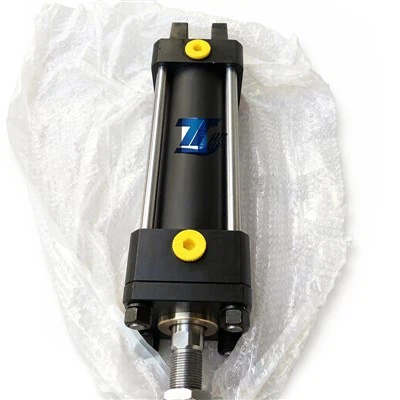
I’m writing this because I get it. When your production line stops cold or your excavator won’t lift because a hydraulic pump is screaming, you don’t have time to read a 50-page technical manual. You need step-by-step fixes you can test this afternoon, not 3 days from now. Below, I’ll walk through the most common noise culprits we see, how to diagnose them fast, and what to do to get your system running quiet again.
First, let’s knock out the basics that people often skip, because they’re so easy to fix. A lot of noise starts right at the fluid level. If your reservoir is low, the pump will start sucking air instead of hydraulic fluid—that’s called cavitation, and it’s the #1 cause of that sharp, high-pitched whine everyone hates. I’ve had customers call me panicking because their pump sounded like a jet engine, only to find the reservoir was half empty from a small leak they didn’t notice. Rule #1: Grab a dipstick (or the site’s level sight glass) and check first. If it’s below the minimum line, top it up with the right fluid—don’t just guess. Using the wrong viscosity fluid is another quick fix; too thick, and it starves the pump; too thin, and it lets air slip in. We always tell customers to check their equipment manual for the exact fluid specs, not just “any hydraulic fluid.”
Next, check for air leaks. Cavitation isn’t just from low fluid—it’s from air getting into the lines anywhere suction side (between the reservoir and pump). A loose fitting, a cracked suction hose, or even a worn seal on a valve can let tiny amounts of air sneak in. That air compresses and expands as the pump runs, creating that bubbling, grinding noise. How to test this? Run the system at idle, then spray soapy water on all suction line fittings and hoses. If you see bubbles, that’s your leak. Tighten fittings gently (don’t over-tighten, or you’ll crack a hose) and replace any cracked hoses. We also see customers use regular return hoses for suction lines—big mistake. Suction hoses have thicker walls and anti-collapse liners, so using the wrong one can cause a vacuum that pulls air in.
Now, moving to pump noise, since pumps are the heart of any hydraulic system. If your fluid and air checks out, the noise is almost certainly coming from the pump. The most common issue here is internal wear from dirty fluid. Hydraulic fluid acts as a lubricant, and if it’s full of metal shavings, dust, or gunk from old filters, it will grind down the pump’s internal parts (gears, vanes, or pistons for different pump types). That grinding metal sound is a dead giveaway. When we get a pump back for repair, we usually find the filter is clogged so bad it looks like a coffee filter left on the counter for a week. How to fix this? First, replace the filter—immediately. If the noise doesn’t go away in 10 minutes of running, you might need to flush the whole system and inspect the pump for damage. I’ve seen customers try to run a worn pump with a new filter, and it only makes the filter clog faster, leading to even bigger problems.
Another pump issue: misalignment. If the pump’s shaft isn’t perfectly aligned with the engine or motor that drives it, you’ll hear a loud, rhythmic clanking or vibration. Over time, heavy use can shift mounts, so even a new pump that was aligned correctly at installation can go out of whack. The test here is simple: shut off the system, disconnect the pump’s drive shaft, and twist it by hand. If it’s hard to turn or feels wobbly, alignment is off. You might need to adjust the motor mounts or shim the pump to get it straight. Pro tip: if you’re replacing a pump, always double-check alignment—we’ve had customers skip this step and have to troubleshoot the same noise 2 weeks later.
Valve noise is another big one, especially in industrial systems with lots of directional or pressure control valves. If you hear a clicking or rattling that gets worse when you’re adjusting a valve, it’s likely valve spool wear or a loose pilot line. For spool valves, tiny amounts of wear create gaps that let fluid leak, causing vibration as the spool moves back and forth. Loose pilot lines—small lines that control valve operation—can vibrate against the frame, making a clattering noise that’s easy to mistake for something bigger. The fix here is to check all valve connections, tighten pilot lines, and replace valves if spool wear is excessive. We also recommend adding valve mufflers (they’re cheap, we sell them) to high-pressure valves to cut down on noise from fluid flowing through the ports.
Don’t forget about piping and fittings. A lot of people ignore rigid steel lines, but if they’re not secured properly, they can vibrate against the machine frame, creating that annoying hum. Over time, pipe clamps get loose or break, so check every line to make sure they’re tight and insulated from the frame. We’ve even had customers use old rope to secure lines (don’t laugh, it happens) that gets wet and shrinks, leading to more vibration. Replace any worn clamps with the right size for the line, and you’ll cut down on a lot of that random hum.
Wait, what about pressure-related noise? If your system is running at a higher pressure than it’s rated for, that can cause a loud, banging noise from relief valves. Relief valves are designed to open when pressure gets too high, but if they’re stuck partially open or set too high, they’ll oscillate, creating a banging sound. How to test this? Use a pressure gauge to check your system’s operating pressure against the manual. If it’s higher, adjust the relief valve down slowly—don’t crank it too fast, because too low pressure will cause other issues. We see this a lot with older systems that people have modified without checking the pressure specs.
Now, let’s talk about what not to do. I’ve seen so many customers try to “fix” a noisy system by adding more fluid or tightening fittings randomly. Adding fluid won’t fix cavitation if there’s a leak, and over-tightening fittings can crack hoses or seals, leading to even more air getting in. Another mistake: ignoring small noise. A faint whine might seem like no big deal, but it’s a sign that parts are wearing. We had a customer who brushed off a minor pump noise for 3 months, only to have the pump seize up and destroy half the hydraulic system, costing them $15k in downtime and parts. Don’t be that guy.
So, the step-by-step troubleshooting checklist you can use right now, in order of easiest and cheapest to fix:
- Check reservoir fluid level and type—top up if low, confirm viscosity matches specs.
- Check for air leaks on suction lines; fix with tight fittings or new hoses.
- Replace the hydraulic filter and run the system—if noise is gone, you’re done.
- Inspect pump alignment and tightness of mount bolts.
- Check valve connections and pilot lines; add mufflers if needed.
- Tighten or replace pipe clamps to reduce vibration.
- Test system pressure; adjust relief valve if needed.
If you go through all these steps and the noise is still there, it’s probably time to have a professional look at the system, or talk to us about a pump or valve replacement. Here’s the thing: hydraulic systems are built to be quiet and efficient, but when they start making noise, they’re sending a message. Our team has fixed hundreds of these issues, and we’re here to help you avoid downtime.
If you’re dealing with a noisy hydraulic system that’s been hanging around too long, or you’re planning a new build and want to avoid these issues upfront, reach out to us to chat through your needs. We’ll hook you up with the right parts or troubleshooting tips to get your system running smooth. Don’t let a little noise turn into a big problem—let’s fix it together.

References
Hydraulic Institute. (2019). Hydraulic System Noise Diagnosis and Mitigation.
National Fluid Power Association. (2021). Common Hydraulic Troubleshooting Guide.
Bosch Rexroth. (2020). Hydraulic Pump Noise: Causes and Solutions.
Industrial Hydraulic Systems I’ve been writing this while leaning against a forklift in our warehouse, listening to a quiet system running in the background, and I know how stressful noise issues can be. The good news is most of the time, you don’t need fancy tools or a huge budget to fix it. Just follow the steps above, and you’ll be cringing less and producing more in no time.
Wuhu Zhongye Fluid Equipment Co., Ltd.
We are one of the most experienced hydraulic system manufacturers and suppliers in China, specialized in providing high quality customized products. Please feel free to wholesale bulk durable hydraulic system in stock here from our factory. Contact us for quotation.
Address: No.2, Hexing Road, Sanshan District, Wuhu City, Anhui Province
E-mail: zhongyehydro20@163.com
WebSite: https://www.zhongyehydro.com/
