Let’s keep it real—when I first started selling ceramic tunnel kilns, I got the same question a hundred times: “Wait, this thing is for pots, right? Can you fire other stuff in it?” Short answer: yes, but not everything. And that’s where most folks mess up—they see a “ceramic” label and assume it’s locked in, when really, a tunnel kiln’s whole thing is consistent, controlled heat over a long, steady path. That’s exactly what other materials need too. I’ve worked with custom shops, small manufacturers, even some art studios testing this, so let’s break it down like I would over a coffee. Ceramic Tunnel Kiln
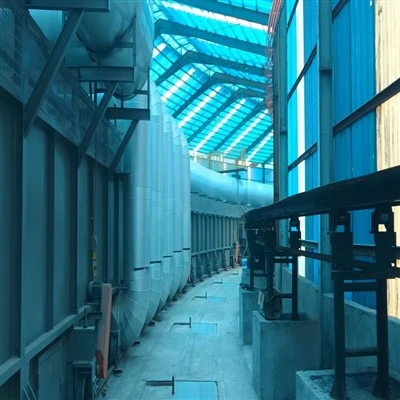
First, let’s recap quick: a ceramic tunnel kiln isn’t some magic box. It’s a long, insulated tunnel (usually 10 to 100 feet, depending on the size) split into zones—preheat, bisque fire, glaze fire, cool. Each zone’s temp, atmosphere, and air flow are tweakable. For ceramics, we crank temps up to 2,000°F+ to fuse clay into hard, permanent pieces, and adjust oxygen levels so glazes don’t turn out discolored. But if you swap the material, you just tweak those knobs a little. No re-building the kiln—just adjusting settings. That’s the big win here, especially if you already own one and don’t want to drop cash on a whole new oven.
Let’s start with the most common non-ceramic stuff I’ve seen folks use our kilns for: refractory metals, specifically molybdenum and tungsten. These bad boys need super high temps—up to 3,000°F—and they don’t oxidize if you fire them in an inert atmosphere (meaning little to no oxygen). Wait a second—our tunnel kilns come with optional nitrogen or argon purge systems, right? We add that as an upgrade because some ceramic users wanted it for special glazes (like metallic lusters). So instead of just using it for glazes, metal parts shops use those same purges to fire molybdenum into heat-resistant components for aerospace. I had a client last year making rocket engine liners—they were using a small 20-foot tunnel kiln, running the preheat zone at 1,500°F to burn off binder materials in the metal powder, then cranking the fire zone to 2,800°F to sinter it into solid. Worked way better than their old batch oven, which had uneven hot spots. The consistent zone temps from the tunnel kiln meant every part came out the same, no warping. That’s a huge deal for precision parts—batch ovens can’t touch that consistency.
Next up: advanced ceramics, which I know sounds weird because they’re ceramics, but hear me out. Traditional ceramics are clay-based, but advanced ceramics (like silicon carbide, alumina) are synthetic, way harder, and used in everything from phone screens to bulletproof vests. Those need way higher temps—up to 3,500°F—and sometimes pressure, too. Our tunnel kilns can handle that, no problem. We recently upgraded a mid-sized kiln for a lab that was making silicon carbide heat exchangers for power plants. They didn’t want to buy a brand-new high-temp furnace, so we adjusted their tunnel’s insulation to handle the extra heat, added a pressure control zone, and tweaked the air flow to keep the material from cracking during the cool-down phase. They saved almost 40% compared to buying a custom oven. That’s the kind of flexibility people don’t realize they get with a tunnel kiln—you don’t have to stick to earthenware mugs.
But wait, not every material works, and that’s the catch. Let’s talk about what to avoid, because I see people make this mistake all the time. For example, low-temp items—like glass bottles or polymer parts (wait, no, some polymers? Wait, let’s clarify: thin glassware might work if you’re only firing to 1,200°F, but if you put a plastic part in a ceramic tunnel kiln? Forget it. Most polymers melt at 500°F or lower, and the preheat zone of even a “low-temp” ceramic kiln is usually 800°F, which is way too hot. Also, porous materials that absorb moisture fast? No good. The preheat zone of a tunnel kiln is designed to pull moisture out slowly, but if you have a material that traps moisture deep inside, the steady heat can make it expand too fast and crack. I had a client try firing concrete blocks (not the finished ones, but raw mixes) in a tunnel kiln last year—they didn’t pre-dry the blocks, and half split down the middle. That was a waste of time and fuel, and they ended up going back to a drying oven first.
Another thing: atmosphere-sensitive materials. If you’re working with something that reacts with nitrogen or oxygen, you can’t just wing it. Ceramic kilns use a neutral atmosphere most of the time, but if you’re firing something like lithium-ion battery electrodes (yes, that’s another one I’ve seen), you need a very specific low-oxygen atmosphere. Our kilns can do that, but you have to tell us upfront when you’re ordering if that’s a use case—we can adjust the purge system to have tighter oxygen controls. Last year, a startup making battery anodes used a 50-foot tunnel kiln to fire graphite-coated copper foil. They needed a 99.9% nitrogen atmosphere, so we swapped their standard purge lines for closed-loop systems that don’t leak. Way more efficient than a batch oven for that, because they could run the foil through the tunnel 24/7, no waiting for each batch to cool. That’s a big production win.
Now, let’s get into the behind-the-scenes stuff that makes a ceramic tunnel kiln great for this, not just a regular oven. The biggest perk is continuous operation. A lot of manufacturers run 8-hour shifts, so a tunnel kiln can load material at one end, it moves through the zones on a conveyor (or a car, depending on the kiln type), and it’s done at the other end—no loading and unloading every hour. For metal parts or battery electrodes, that means way higher output. I had a metal stamping client who switched from a batch oven that made 1,000 parts a day to our tunnel kiln, and they’re making 5,000 a day now. That’s not a small upgrade—they doubled their revenue almost instantly.
But here’s the reality check: it’s not a one-size-fits-all. If you’re a hobbyist making small pottery mugs, a 10-foot tunnel kiln might be overkill, but if you’re a manufacturer needing consistent, high-volume parts, it’s perfect. I once had a potter ask if he could use his family’s ceramic tunnel kiln to fire custom metal jewelry. We adjusted the fire zone to 1,800°F, added a small argon purge, and it worked—his jewelry came out with a super smooth finish, way better than a regular torch. He now uses it for custom orders, which is cool.
Another common question: “Do I have to modify the kiln to use for other materials?” Not usually, but it depends on your goals. If you’re just firing a similar material (like switching from clay pottery to porcelain, which is still ceramic), almost no modification. If you’re going to higher temps or need a different atmosphere, we can do quick upgrades—add a pressure gauge, tweak the insulation, adjust the conveyor speed. We keep a stock of replacement parts and upgrade kits because so many clients use their kilns for more than just ceramics. That’s the big advantage of buying from us, not a generic kiln manufacturer—we know ceramic kilns inside and out, so we can tweak them for other materials without re-engineering the whole thing.
Wait, let’s talk about a weird one I never would have thought of: fired bricks for construction. No, not the regular kiln-fired bricks, but some specialty fire bricks that need to be denser. People use tunnel kilns for that all the time—same zones as ceramic, just set the fire zone to 2,200°F instead of 1,800°F. The consistent heat makes the bricks way more durable than batch-fired ones. I worked with a construction company last year that built a kiln run for refractory bricks, and they saved 25% on fuel because the tunnel’s energy recovery system (another feature we add) reuses heat from the cool zone to warm the preheat zone. That’s a huge fuel cost saver, which matters a lot for construction materials.
Now, let’s cover the pitfalls, because I don’t want you to waste money. First, don’t try to run a material that needs a totally different heat profile without testing. We offer small test runs in our demo kiln for exactly this reason—last month, a client was testing ceramic-matrix composites for jet engines, and we ran a 10-foot demo to make sure the temp and cool-down rate didn’t crack the material. Saved them from buying a full kiln that wouldn’t work. Second, don’t skip the atmosphere checks. If you’re firing metal, oxidation will ruin the part—so make sure you have a way to monitor oxygen levels, which we can add as a sensor. Third, know your load size. Tunnel kilns work best for consistent-sized parts—if you’re firing tiny, irregular parts, the conveyor spacing might need adjustment, but that’s a quick fix.
At the end of the day, a ceramic tunnel kiln is a heat-control machine. The “ceramic” label just means it’s built for ceramics, but the core tech (zoned heat, continuous operation, insulated design) is useful for any material that needs precise, even heat. I’ve seen it work for metals, battery parts, advanced ceramics, even construction materials—all with minor tweaks, not a full kiln replacement.
If you’re curious, don’t guess. We offer custom consultations and small test runs so you can see for yourself if your material will work. Skip the trial and error, and get a kiln that grows with your business—whether you’re still making pottery or branching out into new materials.
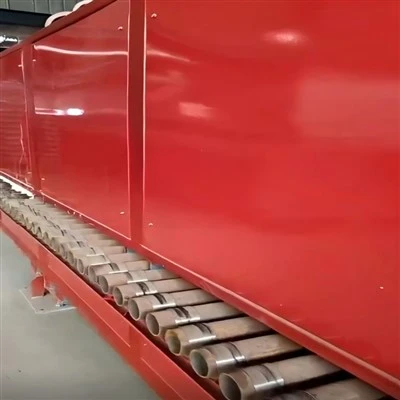
If you’re ready to talk through your needs, reach out. We’ll walk you through sizes, upgrades, and what works for your specific material—no jargon, no hidden fees, just straight talk.
Rotary Kiln References
- Industrial Kiln & Furnace Association. (2022). Continuous Processing Kilns: Applications Beyond Traditional Ceramics.
- Journal of Manufacturing Processes. (2021). Thermal Processing of Molybdenum Components in Zoned Tunnel Kilns.
- Advanced Materials & Processes. (2020). Sintering of Silicon Carbide Using High-Temperature Tunnel Kilns.
- International Journal of Applied Ceramic Technology. (2019). Flexibility of Tunnel Kilns for Multi-Material Firing.
Henan Yaxin Kiln Co., Ltd.
Henan Yaxin Kiln Co., Ltd. is one of the most professional ceramic tunnel kiln manufacturers and suppliers in China. With abundant experience, we warmly welcome you to buy high quality ceramic tunnel kiln with the latest design from our factory. Good service and punctual delivery are available.
Address: Jixian Industrial Zone, Shangqiu City, Henan Province
E-mail: 1543563178@qq.com
WebSite: https://www.hnyxkiln.com/
