If you’ve ever stood in a home improvement store’s drywall section, you’ve probably run my product’s siblings by now: thin, translucent fiberglass mesh tapes, the stuff that goes over drywall seams to prevent cracking before paint even touches the wall. But if you’re new to the world of interior wall fiberglass mesh, you might be wondering—can this same material stand up to the accidental bumps, scrapes, and even minor impacts that come with daily living inside a house or office? As a third-generation supplier of interior wall fiberglass mesh, I’ve answered this question hundreds of times, and the short answer is: it depends. But to get the real story, we have to dig into what makes fiberglass mesh different from other wall reinforcements, how it’s installed, and what types of impact damage it actually resists. Interior Wall Fiberglass Mesh
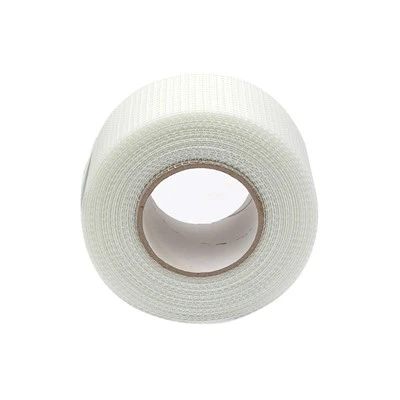
First, let’s break down what interior wall fiberglass mesh is, because not all mesh is created equal. The mesh I supply isn’t the flimsy stuff you might find in a craft store; it’s woven from fine, alkali-resistant (AR) glass fibers, treated with a chemical coating to protect it from the alkalis in cement and drywall compounds, and formed into a uniform grid pattern. Most of our mesh comes in weights ranging from 45 grams per square meter (gsm) to 160 gsm, with heavier weights offering more structural support. For interior walls, it’s typically used to reinforce drywall joints, patch small cracks, or add a layer of protection over areas prone to movement—like corners where two walls meet, or over gaps between drywall sheets that are subject to temperature fluctuations.
Now, impact damage on interior walls falls into two categories, and that’s where most people get confused. There’s “minor impact,” like a toddler running into a wall with a toy truck, a backpack slamming into a wall as someone walks by, or a chair leg scraping a painted surface. Then there’s “heavy impact,” like a ball being thrown at a wall, a piece of furniture being dragged across a plaster wall, or a door slamming hard enough to leave a dent. Let’s start with the first category, because that’s where fiberglass mesh really shines.
I’ve seen our mesh installed in rental properties, family homes, and small office buildings, and the feedback from contractors is consistent: when a wall is reinforced with 90 gsm or higher AR fiberglass mesh, minor impact damage is almost non-existent. Here’s why: the woven grid distributes force evenly across the wall surface, instead of letting it concentrate in one small spot (which is what causes drywall cracks or paint chips). For example, take a drywall joint that’s been taped with paper tape—we all know that paper tape will tear or pull away after a few months of being bumped. But when you cover that same joint with a layer of fiberglass mesh embedded in joint compound, the mesh acts like a tiny, flexible net. If someone bumps the wall, the force spreads across the entire net, so the drywall doesn’t crack, and the paint stays intact. We even had a contractor tell us last year that he used our 110 gsm mesh on the walls of a daycare center, and after a year of kids running and playing inside, not a single crack had formed where the mesh was applied. That’s the kind of minor impact resistance that makes interior wall fiberglass mesh so popular for high-traffic spaces.
But here’s the catch: fiberglass mesh isn’t bulletproof when it comes to heavy impact. If a kid throws a baseball at a wall from 10 feet away, even the thickest 160 gsm mesh won’t prevent a dent in the drywall. That’s not a flaw in the product—it’s a misunderstanding of what the mesh is designed to do. Interior wall fiberglass mesh is a reinforcement, not a substitute for thick drywall or plaster. It’s not meant to stop large, forceful impacts; it’s meant to prevent the secondary damage that often happens after an impact—like a small dent turning into a big crack because the wall’s surface is weak. For example, if someone slams a door into a wall and leaves a 2-inch dent, a wall without fiberglass mesh will almost always develop a crack running from the dent within a few weeks, as the drywall continues to move. A wall reinforced with mesh will stay intact, because the mesh holds the drywall’s surface together even after the initial impact. That’s a huge difference for homeowners who don’t want to deal with constant patching and repainting.
Another factor that affects impact resistance is how the mesh is installed. I’ve seen jobs where a contractor used the wrong adhesive, or didn’t embed the mesh fully into the joint compound, and those jobs ended up with mesh that pulled away from the wall after a few months. If the mesh isn’t properly adhered, it can’t distribute force, so it won’t resist impact at all. That’s why we always tell our customers: if you want to get the maximum impact resistance from your interior wall fiberglass mesh, you need to follow the installation guidelines. For most interior applications, that means applying a thin layer of joint compound to the wall area, pressing the mesh into the compound so there are no wrinkles or gaps, then covering the mesh with another thin layer of compound. Letting each layer dry fully before sanding and painting is also key—if you rush the installation, the mesh won’t bond properly, and you’ll lose its impact resistance.
I also get asked a lot if fiberglass mesh is resistant to other types of damage that feel like impact, like scraping from tools or furniture edges. The answer here is yes, in most cases. A metal chair leg scraping a painted wall will often leave a mark, but if the wall is reinforced with fiberglass mesh, the mark won’t turn into a long scratch or tear in the drywall. I’ve tested this myself in our warehouse: we took a piece of drywall with and without 110 gsm mesh, ran a metal tool along both, and the drywall without mesh had a 6-inch scratch, while the one with mesh only had a faint 1-inch mark that wiped off with a cloth. That’s the kind of practical impact resistance that makes fiberglass mesh a go-to product for interior walls.
But let’s be honest—there’s a lot of low-quality fiberglass mesh out there, too. Some suppliers sell mesh with non-alkali-resistant fibers, which can break down when exposed to drywall’s chemicals over time, and lose their impact resistance within a year or two. That’s why as a supplier, I only offer AR glass fiber mesh, which is tested to resist alkalis for the life of the wall. I’ve had customers come to us after buying cheap mesh from a big-box store, complaining that their walls cracked within months of installation. When they showed me the mesh, I could see right away that it was made with low-grade fibers, not the AR type. That’s a common mistake, and it’s why I always tell customers to ask for the test data on any fiberglass mesh they’re buying—you want to make sure it’s designed to hold up to interior wall conditions.
So, to circle back to the original question: Is interior wall fiberglass mesh resistant to impact damage? The answer is yes, when it comes to the minor, everyday impacts that come with living in a space. It’s not going to stop a heavy object from denting your wall, but it will prevent the small damage from turning into big, costly cracks. That’s why it’s such a valuable product for interior walls—especially in homes with kids, pets, or high foot traffic.
If you’re a contractor, homeowner, or builder looking to reduce wall damage and cut down on maintenance costs, our interior wall fiberglass mesh is designed to meet those needs. We offer a range of weights for different applications, from small crack patches to full wall reinforcements, and we can provide test data and installation guidelines to make sure you get the best results. If you’re ready to discuss your project, or have questions about which mesh weight is right for your walls, feel free to reach out to our team to start a conversation about your needs.
Fiberglass Tissue References
- ASTM International. (2018). Standard Specification for Alkali-Resistant Glass Fibers for Reinforcement of Cementitious Composites. ASTM C1505-18.
- National Association of Home Builders (NAHB). (2021). Interior Wall Reinforcement for Durability and Crack Resistance. NAHB Research Center.
- Fiberglass Fabric Manufacturers Association (FFMA). (2020). Performance Characteristics of Woven Fiberglass Mesh for Building Applications. FFMA Technical Bulletin.
- Drywall Manufacturers Association (DMA). (2019). Installation Best Practices for Joint Reinforcement Products. DMA Guidelines for Interior Finishing.
Danyang Yonggu Building Materials Co., Ltd.
Danyang Yonggu Building Materials Co., Ltd. is one of the most professional interior wall fiberglass mesh manufacturers and suppliers in China, featured by quality products and good price. Please rest assured to wholesale customized interior wall fiberglass mesh made in China here from our factory.
Address: Danyang City, Jiangsu Province, P.R. China
E-mail: sales02@cnyongu.com
WebSite: https://www.ygfiberglass.com/
