Hey guys, let’s talk about something that’s been bugging every excavator operator I know—track slip. You’re on a job site, moving a big excavator, lifting a load, or digging through mud, and suddenly the tracks are spinning like a hamster wheel. Not only does that slow you down, it’s a total waste of fuel, and let’s be real, it’s frustrating when you’re on a tight deadline. As an excavator supplier, I’ve seen this happen way too often, and it’s not just operator error (even though some folks jump into the cab without checking basics first). Let’s break down what actually causes track slip, no boring textbook jargon, just real stuff you deal with every day. Excavator

First up: underfoot conditions. This is the big one, right? I’ve watched operators show up to a job and hop off the truck without even looking at the ground. If it’s super wet clay, loose sand, or even deep gravel that doesn’t pack down, the tracks just can’t get enough traction. Think about it—your tracks are metal plates with those little grousers (the teeth on the bottom, for anyone new) that dig into the ground. If the ground’s too squishy, those grousers sink in and can’t grip anything. I had a customer last month who was working on a residential build after a week of rain; his excavator kept spinning when he tried to move up the driveway. Turned out the subgrade under the gravel was pure mud, so the tracks had nothing to grab. Even something like snow with a thin layer of ice on top? Same problem. Traction here is zero, so the engine’s power just goes to spinning the tracks instead of moving the machine.
Next: track tension issues. Oh, this is a easy fix but so many people sleep on it. If your tracks are too loose, they can’t wrap tight around the sprockets and idlers. I’ve seen tracks that are so loose they’re sagging, and when you put power to them, the sprockets just spin inside the loose track instead of pulling it. On the flip side, if they’re too tight? That’s a different problem, but loose is the main slip cause here. How do you check? Most excavators have a grease fitting to adjust tension—just measure the sag between the top and bottom of the track, should be about 1-2 inches, depending on the model. I had a guy last quarter who was complaining about constant track slip; turns out he’d skipped adjusting tension after moving his excavator across a muddy field, and the track stretched out like a rubber band. Tightening it just half an inch fixed 80% of his issues. Also, worn track components play into this—if your grousers are all beat down or missing, or the sprockets have chipped teeth, that reduces grip too. Think of it like driving a car with bald tires—no matter how much gas you give, you can’t stop spinning.
Then there’s operator input. Wait, I said not just operator error, but this is a real cause. A lot of new operators think more power = faster work, so they jam the throttle all the way down before the tracks have a chance to grip. If you’re on even slightly slippery ground, slamming the accelerator will just make the tracks spin. I’ve trained a few new guys who would try to pull a heavy load uphill at full power, and boom—track slip. Even experienced guys do this when they’re rushed. Also, how you’re using the excavator matters. If you’re digging too deep too fast, and the dipper arm is pulling back hard, that can lift the front of the tracks off the ground, reducing the contact area. Less contact = less traction, so slip happens. I tell all my customers: ease into the power, especially when you’re moving or lifting. Let the tracks find their grip first, then add more throttle.
Power mismatch? Wait, what does that mean? Some older excavators don’t have enough torque for the weight they’re carrying or the terrain they’re on. If you’re using a 5-ton mini excavator to lift a 6-ton load, obviously the tracks can’t handle that, so they slip. Or if you’re running a heavy excavator on a tiny job with super soft ground—even a 20-ton machine that’s great for construction might struggle in a wet field because it’s too heavy, so it sinks deeper, less traction. As a supplier, I always advise customers to match the excavator to the job, not the other way around. I had a small landscaping company a while back who rented a 10-ton excavator for digging small foundations; they kept getting stuck with track slip because the machine was way too heavy for their backyard, which had soft soil. Swapped it for a 3.5-ton model, and that fixed it instantly.
Another one: contaminated tracks. Dirt, mud, rocks, even frozen mud clods stuck in the track links. Over time, that builds up between the track plates and the sprockets, making the track run unevenly and reducing the contact with the ground. I’ve seen tracks caked with mud so thick they looked like they had big boots on—no wonder they can’t grip. This is especially bad in winter, when mud freezes solid. I tell all my customers to clean their tracks at the end of every day, not just when they’re stuck. A quick wash with a pressure washer (or even a shovel if you don’t have a washer) will get rid of that gunk and keep the track working right.
Wait, what about worn undercarriage parts? I mentioned sprockets and grousers earlier, but let’s expand that. Idlers, rollers, and track chains—if any of these are worn out, the track doesn’t align properly. Misaligned tracks mean only part of the track is touching the ground, so less traction. I had a customer whose excavator had been working for 3 years without replacing worn rollers; the track was leaning to one side, so only the outer edge was gripping. He was getting constant slip on even dry ground, which made no sense until we checked the undercarriage. Replacing the rollers fixed it. It’s not just old machines—even newer ones can have issues if they’re working in harsh conditions like rocky terrain, which beats up the undercarriage fast.
Let me throw in a real example to make this concrete. Last summer, a local construction company called me because their 15-ton excavator was slipping nonstop on a job site that had a mix of dirt and loose gravel. They’d just bought the excavator from another supplier, and swore it was a lemon. We went out to the job, first checked track tension—turns out it was way too loose, almost 3 inches of sag. We tightened it to the recommended 1.5 inches, and that helped a little, but there was still slip. Then we looked at the undercarriage: the grousers on one track were worn down to half their original height. Those grousers are what dig into the gravel, so if they’re too short, nothing to grip. We replaced the track shoes, and cleaned the mud and small rocks stuck in the track links. By the end of the day, the machine was moving like a champ, no slip. Turned out the previous supplier hadn’t done a pre-delivery inspection, so the tension and worn parts went unnoticed. That’s why I always make sure every machine leaves my shop with a full undercarriage check—small stuff like that makes all the difference.
Now, what can you do to prevent track slip? It’s not just fixing the issues after they happen. First, do a pre-job check: track tension, grousers, undercarriage alignment, and a quick look at the ground. Adjust track tension regularly, especially if you’re moving between different job sites or terrains. Clean tracks daily—no exceptions. Train your operators to use smooth inputs, not full throttle right away, and match the excavator to the job. If you’re working on really soft ground, maybe add track extenders (those wider plates that go over the tracks) to spread out the weight, that increases contact area. I sell track extenders for exactly that reason—small investment, big traction boost.
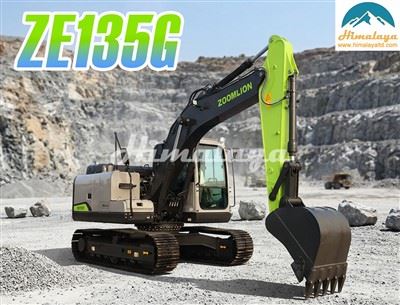
At the end of the day, track slip isn’t inevitable. It’s usually a mix of small, fixable issues, not a broken machine. As an excavator supplier, I’m not just here to sell you a machine—I’m here to help you keep it running right, so you don’t lose time or money to slip. If you’re dealing with constant track slip, don’t guess at what’s wrong. Reach out, and we can walk through checking tension, undercarriage, and matching your machine to your job. No pressure, just real advice from someone who’s worked with hundreds of operators and machines.
Used Equipment References
- Excavator Undercarriage Maintenance Guidelines, Construction Equipment Association, 2022
- Traction Performance of Heavy Construction Equipment in Variable Ground Conditions, Journal of Construction Engineering and Management, 2021
- Operator Techniques for Reducing Track Slip in Mini and Mid-Size Excavators, Equipment World Field Guide, 2023
Himalaya Technology Co., Ltd.
Himalaya Technology Co., Ltd. is one of the most professional excavator manufacturers and suppliers in China, specialized in providing the best OEM service and customized design service for your brands. Be free to wholesale excavator at competitive price here and get quotation from our factory. Contact us for more information about medical devices for COVID-19 and 3D welding table for welding work.
Address: Office 605, G3 Block,Shenye Wisdom Center,No.222, Kaiyuan East Road, Changsha City,410100, Hunan Province, China
E-mail: sales@himalayaltd.com
WebSite: https://www.himalayaltd.com/
