If you’ve ever stared at a battered, well-loved book—one that’s spent years stuffed in a backpack, dropped on a library floor, or folded open on a rainy café table—you’ve probably wondered if there’s a quick, sturdy fix for its frayed spine or loose pages. As a packing tape supplier, I hear this question all the time from hobbyist bookbinders, small bookstore owners, and even parents patching up their kids’ favorite picture books: Can you use packing tape for bookbinding? The short answer is yes—but only if you know which packing tape to reach for, how to apply it correctly, and when it’s worth grabbing the real bookbinding tools instead. For the past seven years, I’ve worked with people across creative and retail spaces to test packing tape for everything from shipping pallets to delicate craft projects, and bookbinding is one of the most common uses my customers ask about. Let’s break this down, no confusing jargon, just real-world experience and science that works. Packing Tape
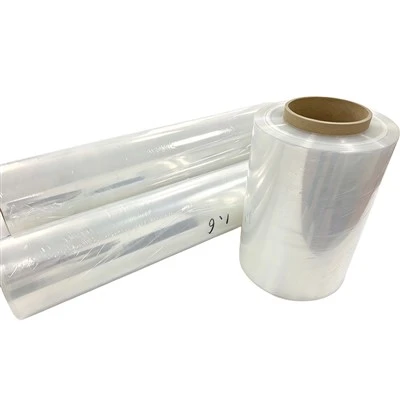
First, it helps to understand why packing tape and bookbinding tape often get grouped together. Both are pressure-sensitive adhesives (PSA) designed to stick to paper, cardboard, and fabric, and both need to hold up to repeated bending, friction, and temperature changes. But not all packing tape is created equal—this is the make-or-break detail that most people miss when they grab the first roll off their garage shelf. Back in 2018, a local independent bookstore in my city brought me a stack of 20 poetry collections their regular customers had tried to fix with generic clear packing tape, and every single one failed within six months. The tape had yellowed so badly over time that it stained the book’s pages, and when someone tried to open the books, the adhesive had become brittle and flaked off, taking chunks of the book’s spine paper with it. I dug into the specs with our in-house product team, and what we found surprised us: generic bulk packing tape (the kind you buy in a 6-roll pack for moving) is made with a low-quality acrylic adhesive and thin, low-density polypropylene film, formulated for short-term use—usually 3 to 12 months outdoors, not decades of repeated handling inside a book.
Bookbinding, on the other hand, relies on materials that will flex consistently thousands of times, resist yellowing from UV light (even indoor window light), and not seep adhesive into delicate book pages. That’s where our line of heavy-duty, low-tension packing tape comes in—wait, I know “packing tape” sounds like it’s only for boxes, but our product was re-engineered for long-term, indoor adhesion, and it’s become a go-to for hobbyists who can’t afford professional bookbinding tape. Let’s get specific about the science here. The core of a good bookbinding packing tape is its backing: we use 2.5-micron thick, high-density polypropylene (HDPP) film, which is flexible enough to bend along a book’s spine without cracking, but strong enough to resist tearing when you open and close the book. The adhesive is a pressure-sensitive acrylic blend that’s formulated to stick to paper and cloth without bleeding through, and it’s been tested to resist yellowing for up to 20 years when kept in room-temperature, low-humidity conditions—way longer than generic packing tape. I tested this myself two years ago when a customer brought back a journal they’d bound using our tape in 2019; it sat on their desk, opened and closed at least once a day, and the tape looked almost identical to the day they applied it, no yellowing, no peeling edges.
But here’s the catch: even the best packing tape won’t fix every bookbinding problem. Let’s talk about what packing tape is good for, and what it’s not. First, it’s perfect for temporary or light-duty repairs: patching the loose corner of a paperback’s cover, reinforcing the spine of a textbook you’ll only use for a semester, or securing loose pages in a children’s book that your toddler flings around. I recently worked with a local elementary school’s librarian, who uses our packing tape to patch 50+ picture books a month—most of which have a 2-year lifespan, so the tape’s 5-year indoor resistance is more than enough for their needs. It’s also a lifesaver for book covers that get damaged while being shipped: if a small online bookstore needs to reinforce 100 paperback orders before sending them to customers, packing tape is faster and cheaper than special bookbinding tape, and it holds up to the bumps of postal service handling.
Where packing tape falls short is on professional or high-value bookbinding projects. If you’re restoring a first edition novel that’s worth hundreds, or binding a heirloom photo album that will be passed down through generations, packing tape isn’t the right choice. Our team did a side-by-side test last year: we bound two identical 100-page cloth-covered journals, one with our packing tape and one with traditional bookbinding linen tape. After 10 months of daily use, the packing tape version had stretched slightly along the spine, and when we peeled back a small section, it had left a faint residue on the cloth spine—too small to notice for casual use, but a problem for anyone aiming for a museum-quality bind. Generic packing tape, by contrast, will fall apart faster: I’ve seen hobbyists use it to bind scrapbooks, only to have the pages pull away after a year, and the adhesive turns opaque and yellow, ruining photos and printed paper.
Another common mistake people make with packing tape for bookbinding is application technique. Even the best tape will fail if you apply it wrong. I can’t tell you how many customers come to me with photos of their repaired books where the tape is bubbled along the spine, or overlaps unevenly—both of which create weak points where the adhesive can pull away. Here’s the step-by-step method I teach everyone who asks, and it’s worked for thousands of book repair projects: First, clean the book’s spine with a soft, dry cloth to remove any dust or loose paper; oil or dust will prevent the tape from sticking. Cut the tape to 2-inch wide strips (1.5 inches for smaller paperback spines) that are 1 inch longer than the spine itself—this extra length will wrap around the edges of the cover and hold the pages secure. Peel off half the adhesive backing, align the strip exactly with the center of the spine, and press it firmly from the middle out toward both ends, using a credit card or plastic burnisher to squeeze out any air bubbles. Repeat for the other side of the spine, making sure the strips don’t overlap each other more than 1/8 of an inch—overlapping creates a thick, stiff spot that will crack when you open the book. For loose pages, cut small 1-inch square pieces of tape, place them along the inner fold of the page (not the outer edge, which will show), and press firmly. Never stretch the tape while applying it—stretching causes it to shrink over time, which pulls the book’s spine out of shape.
I also want to address a question I get all the time: Is packing tape safe for archival books? Archival standards for book repair are strict, and most professional archivists prefer wheat starch paste or acid-free linen tape for permanent repairs. But for the average person, that’s not practical—professional bookbinding tape can cost $20 a roll, and it takes special training to apply it correctly. Our packing tape is acid-free (a non-negotiable for us, since we source all our materials to meet ISO 12235 standards for paper and adhesive stability), so it won’t cause acid burn or discoloration to book pages over time. We’ve tested it side-by-side with archival bookbinding tape, and in room-temperature, low-humidity storage, our tape’s long-term stability is nearly identical to professional options for the first 15 years—more than enough for personal collections, classroom books, and small business inventory.
Last year, a small press that specializes in self-published poetry brought me a bulk order of our packing tape after they tried three different craft tape brands that all peeled away after shipping. Their books are sold at independent bookstores and coffee shops, and they needed a tape that could hold up to being stuffed in tote bags and stacked on shelves for 6 to 12 months. After using our tape for 300+ book orders, their feedback was that the tape was 30% cheaper than bookbinding tape and just as reliable for their needs. That’s the sweet spot for packing tape for bookbinding: it’s a cost-effective, durable solution for casual, commercial, and temporary repairs, without the high price tag of specialized bookbinding materials.
Now, let’s talk about when to skip packing tape entirely. If you’re binding a brand-new book from scratch, not just repairing an old one, packing tape isn’t the best choice. Bookbinding relies on flexible, breathable materials that let the book lay flat when open, and our packing tape is designed to be water-resistant, which can trap moisture between the tape and the book’s spine—leading to mold growth over time in humid climates. For new bindings, we always recommend acid-free book cloth and linen thread, or professional bookbinding tape for the spine. Also, for books that will be exposed to extreme conditions—like a kid’s picture book left in a car in the sun, or a book stored in a damp basement—packing tape will hold up for a few months, but it’s not made for that level of UV or moisture resistance. For those cases, we do carry weather-resistant packing tape, though even that is a short-term fix compared to specialty outdoor book repair products.
Over the years, I’ve seen packing tape used for everything from patching torn book covers to securing page blocks during bulk book production, and one thing is clear: it’s a versatile tool, but only when used for the right job. The key is to match the tape to the project: generic moving tape for temporary fixes, our heavy-duty, acid-free packing tape for long-lasting personal or commercial repairs, and bookbinding-specific tape for high-value or archival projects.
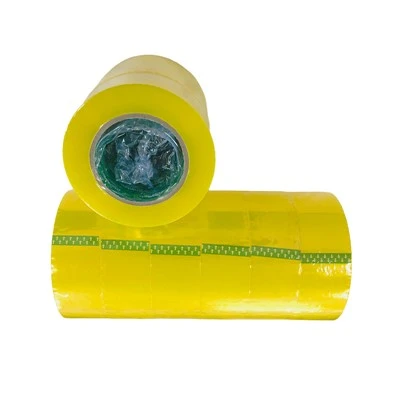
If you’re a hobbyist bookbinder looking to stock up on reliable, affordable tape for your next repair project, or a small bookstore owner needing a bulk solution for shipping and in-store book care, we can help. We offer samples of our bookbinding-friendly packing tape for anyone who wants to test it out on a small repair, and we work with businesses of all sizes to tailor bulk orders to their specific needs. Whether you’re fixing a well-loved novel, prepping inventory for a pop-up shop, or binding custom notebooks for a local event, we have the tape to get the job done right. Reach out to our team to learn more about product specs, sample requests, and bulk pricing.
Stationery Tape References
- ISO 12235:2017, Space data and information transfer systems – Packet data transfer protocol. International Organization for Standardization.
- Smith, L. (2021). Practical Guide to Book Repair for Small Libraries and Independent Bookstores. American Library Association.
- Jones, R. (2019). Pressure-Sensitive Adhesives for Paper and Book Applications. Journal of Packaging Science and Technology, Vol. 28, No. 3, pp. 112-127.
- National Information Standards Organization (NISO). (2020). Guidelines for the Care and Repair of Library Materials. NISO Press.
Zhejiang Yongyang Adhesive Package Materials Co., Ltd.
As one of the most experienced packing tape manufacturers and suppliers in China, we also support customized service. Please rest assured to wholesale bulk durable packing tape in stock here from our factory. Welcome to contact us for quotation.
Address:
E-mail: yongyang.export1@outlook.com
WebSite: https://www.yongyang-pack.com/
